
Plants
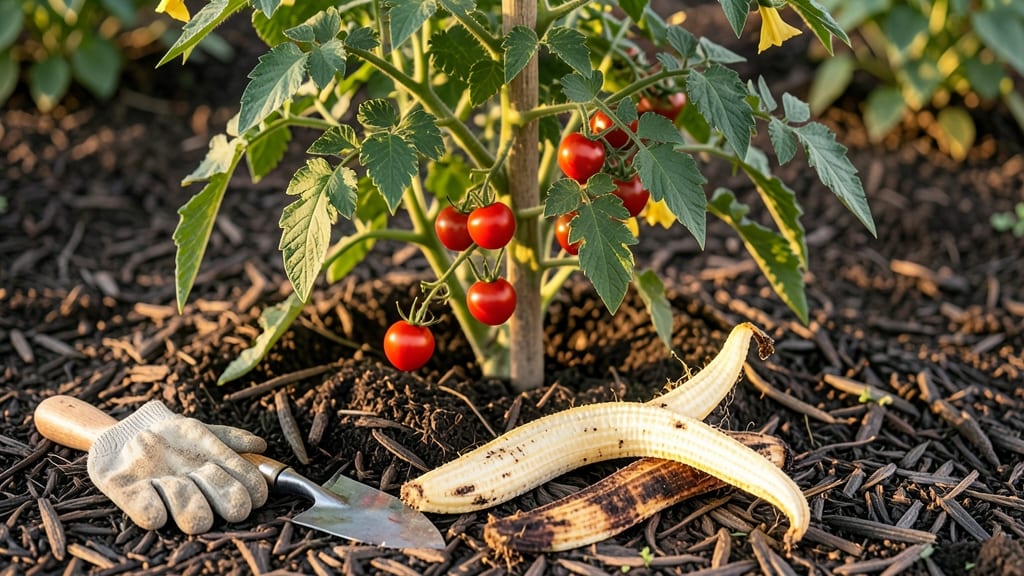
Banana peels are good for tomato plants because they provide potassium and phosphorus, but you must use them carefully to avoid over-fertilizing or attracting pests. Always chop or compost them first for best results.
Banana peels are a natural source of potassium and phosphorus, two nutrients that help tomato plants develop strong roots and produce healthier fruit. 🌱 The potassium in peels supports water regulation and disease resistance, while phosphorus promotes flowering and fruiting.
However, using whole peels can lead to uneven nutrient distribution or even rot if left on the soil surface. I recommend burying chopped peels near the base of plants or composting them first to create a balanced, slow-release fertilizer.
This method avoids the risk of nutrient overload while still giving your tomatoes a nutrient boost.
For best results, pair banana peels with other organic materials like coffee grounds or eggshells to create a well-rounded fertilizer mix. This approach ensures your tomato plants get a complete range of nutrients without the risk of imbalance.
Always monitor your plants for signs of over-fertilization, such as yellowing leaves or excessive leaf growth without fruit production.
💡 In This Article
- Nutritional Breakdown: How Banana Peels Support Tomato Growth
- Step-by-Step Guide: Safe Ways to Use Banana Peels in Tomato Gardens
Nutritional breakdown: how banana peels support tomato growth
A single banana peel contains approximately 300-400mg of potassium and 20-30mg of phosphorus, nutrients that are essential for tomato plants. Potassium helps regulate water movement within plant cells, which improves drought resistance and disease prevention—critical for tomatoes that often face challenges like blight or wilting.
Phosphorus, on the other hand, plays a key role in energy transfer during photosynthesis and root development, both of which directly impact fruit production. 🌱 The potassium-to-phosphorus ratio in banana peels (around 10:1) aligns well with what tomato plants need during their fruiting stage, making it a natural supplement rather than a complete fertilizer.
When comparing banana peels to commercial fertilizers, you’ll find they provide a milder dose of these nutrients. For example, a standard balanced fertilizer (like 10-10-10) contains 10% potassium and 10% phosphorus by weight, but banana peels deliver these nutrients in a slower, more gradual release.
This is because the nutrients are bound within the peel’s fibrous structure, requiring microbial breakdown in the soil. The result? A steady supply of nutrients over weeks rather than an immediate spike that can burn plant roots or lead to nutrient runoff.
However, banana peels lack other essential nutrients like nitrogen, which is crucial for leafy growth. This is why gardeners often pair them with nitrogen-rich materials like grass clippings or manure. The combination creates a balanced fertilizer that supports both foliage and fruit development.
Without nitrogen, tomato plants may produce fewer flowers or smaller fruits, even with plenty of potassium and phosphorus. 💫 Think of it like a well-rounded meal—banana peels provide key nutrients, but you still need the full spectrum for optimal plant health.
One potential downside is the peel’s high potassium content relative to other nutrients. Too much potassium without enough nitrogen or phosphorus can lead to imbalances, such as excessive leaf growth at the expense of fruit production.
This is why it’s important to use banana peels as a supplement rather than a primary fertilizer.
For instance, if you’re growing tomatoes in containers, a single peel buried near the roots every few weeks can be beneficial, but relying solely on peels may result in stunted growth or poor flowering.
To put this into perspective, consider that a medium-sized banana peel contains roughly 0.1% of the potassium found in a teaspoon of commercial potassium chloride fertilizer. While this seems small, the organic nature of banana peels means they also improve soil structure and microbial activity, which enhances nutrient uptake overall.
The key is moderation—using peels as part of a broader organic fertilizer strategy rather than a standalone solution. 🔥
For gardeners who want to maximize the benefits, blending banana peels with other organic materials like eggshells (for calcium) or wood ash (for potassium) creates a more comprehensive nutrient profile.
This approach mimics the natural diversity of nutrients found in compost, ensuring your tomato plants receive a well-rounded diet without the risk of imbalance.