
Planting
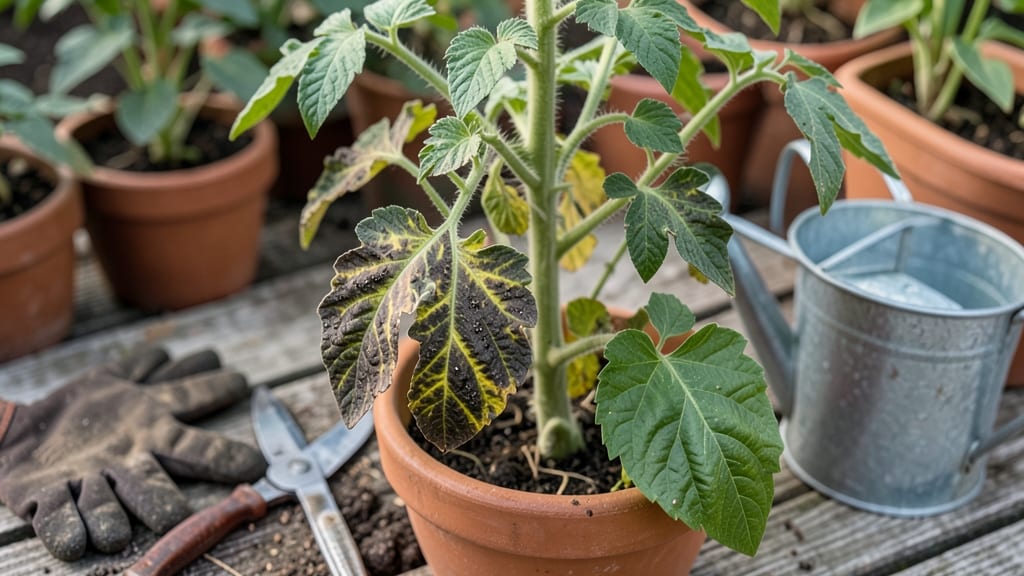
Dark spots on your anthracnose tomato plant? That’s anthracnose, a fungal foe that can turn your harvest from healthy to heartbreaking. I’ve battled it in my own garden, and I’ll show you how to stop it before it starts—no panic, just practical moves that actually work.
The key is catching it early and cutting off its spread before it ruins your plants.
This stubborn fungus thrives in warm, wet conditions, so spacing plants properly and avoiding overhead watering are your first lines of defense. Prune infected leaves immediately (don’t compost them—toss them in the trash), and consider a copper fungicide spray if the problem persists.
The goal isn’t just to save this year’s crop but to keep your soil and future plants safe too.
With these steps, you’ll see fewer spots and more vibrant foliage by next season. The plants you save will reward you with stronger stems, bigger fruit, and fewer headaches. Trust me, once you’ve lost a tomato plant to anthracnose, you’ll never ignore the warning signs again.
We’ll dive deeper into organic treatments, when to harvest affected plants, and how to keep your garden thriving long-term. No more guessing—just a clear plan to outsmart this fungus for good.
The Hidden Triggers Behind Plant Disease
Anthracnose in tomato plants isn’t just random bad luck—it’s the result of specific conditions that create the perfect storm for fungal infection. Understanding these triggers is your first line of defense. Let’s break down the key culprits and why they turn your lush tomato plants into a fungal buffet.
The fungus Colletotrichum coccodes (the villain behind anthracnose) thrives in wet conditions. Here’s why:
- Prolonged leaf wetness: When tomato leaves stay damp for more than 4–6 hours—whether from rain, overhead watering, or high humidity—the fungus germinates and penetrates plant tissues. Think of it like a fungal spa day: the longer the soak, the happier the spores.
- Poor air circulation: Dense foliage or crowded plants trap moisture, creating a greenhouse effect. Stagnant, humid air speeds up spore germination and spreads the disease faster than a wildfire.
- Heavy dew or rain: Anthracnose spores splash onto leaves during storms, especially if your garden is on a slope (water runoff concentrates spores in low-lying areas).
Pro tip: 💡 Morning watering is better than evening—leaves dry faster in sunlight. Use drip irrigation to keep foliage dry!
A healthy tomato plant can fend off anthracnose, but stress opens the door. Common weak points:
- Physical damage: Hail, wind, or even rough handling (like harvesting tomatoes too aggressively) creates entry points for spores. Imagine tiny fungal ninjas slipping in through a cracked door.
- Nutrient deficiencies: Low nitrogen or potassium weakens cell walls, making plants more susceptible. Yellowing leaves or stunted growth? That’s an invitation to fungi.
- Overwatering or drought stress: Both extremes disrupt the plant’s natural defenses. Too much water rots roots; too little causes wilting, leaving plants vulnerable.
- Poor soil health: Compacted or nutrient-poor soil limits root growth, stressing the plant above ground. Healthy roots = stronger immunity.
Action step: 🌡️ Test your soil pH (aim for 6.0–6.8) and amend with compost to boost resilience. Avoid pruning during wet weather!
Anthracnose spores are sneaky survivors—they can linger in soil, compost, or even on gardening tools for years. Here’s how they sneak in:
- Infected plant debris: Leaving last year’s tomato stems, leaves, or fruit in the soil spreads spores. The fungus hibernates in old plant matter, ready to pounce when conditions are right.
- Reused containers or tools: Pruners, gloves, or pots contaminated with spores can transfer the disease to healthy plants. Think of it like a fungal handshake.
- Compost made from infected plants: Even "hot" compost doesn’t always kill anthracnose spores. When in doubt, avoid using compost from diseased plants.
Cleanup tip: ✨ Sterilize tools with 70% alcohol or bleach solution (1 part bleach to 9 parts water). Remove and destroy infected plant debris—don’t compost it!
Anthracnose loves warm, wet weather—typically between 70–85°F (21–29°C). Here’s why timing matters:
- Spring/fall transitions: Cool nights with warm days create morning dew, perfect for spore germination. This is why anthracnose often flares in early summer or late summer.
- High humidity: Humidity above 70% for extended periods keeps spores active. Southern states and tropical climates are hotspots for outbreaks.
- Late-season stress: As tomatoes ripen, plants divert energy to fruit production, weakening leaves—just when anthracnose spores are most abundant.
Climate hack: 🎯 Choose anthracnose-resistant varieties (like ‘Mountain Merit’ or ‘Defiant PhR’) if your region has humid summers. Mulch with straw to moderate soil temps.
Now that you know the why, the next step is stopping these triggers in their tracks. Stay tuned!
Quick Fixes for Tomato Blight
If your tomato plants are showing signs of dark, sunken lesions or wilting leaves, anthracnose is likely the culprit. The good news? You can take action right now to stop it from spreading and save your harvest.
Below, we break down the most common causes and the simplest, most effective fixes—plus tips to keep your plants healthy long-term.
Anthracnose thrives on decaying plant material, so the first step is to prune aggressively. Cut off and dispose of (not compost!) any leaves, stems, or fruit with dark spots, wilting, or oozing lesions. Use clean, sharp shears and disinfect them with rubbing alcohol between cuts to avoid cross-contamination.
Overhead watering is a major contributor to anthracnose. Wet foliage creates the perfect breeding ground for spores. Switch to these water-smart practices:
- Water at the base— Aim for the soil, not the leaves. Use a drip irrigation system or a soaker hose for precision.
- Water early— Morning watering (before 10 AM) gives leaves time to dry before evening humidity spikes.
- Avoid late watering— Never water after dark, as damp leaves overnight invite fungal growth.
Pro Tip: 🌡️ If you must water overhead (e.g., for dusting off plants), do it in the early morning and ensure airflow is strong.
Crowded tomato plants trap moisture and reduce airflow, creating a fungal paradise. If your plants are packed too closely:
- Prune suckers— Remove aggressive side shoots to open up the plant’s canopy.
- Space plants 18–24 inches apart— If they’re already too close, consider transplanting some to a different bed.
- Use fans (yes, really!)— A small oscillating fan on low speed can improve airflow around plants, drying leaves faster.
Once anthracnose takes hold, a fungicide can help stop the spread. Here’s what works:
| Solution | How to Use | Frequency |
|---|---|---|
| Copper fungicide (e.g., copper sulfate or copper hydroxide) | Spray undiluted on dry, calm days. Cover both upper and lower leaf surfaces. | Every 7–10 days or after heavy rain. |
| Neem oil (organic) | Mix 1–2 tbsp neem oil + 1 tsp mild soap per gallon of water. Spray in the early morning. | Every 5–7 days until symptoms disappear. |
| Baking soda spray (DIY organic) | Combine 1 tbsp baking soda, 1 tbsp vegetable oil, and a few drops of dish soap in 1 gallon of water. Shake well before spraying. | Every 7–10 days as a preventative. |
Pro Tip: 🎯 For severe cases, rotate between copper and neem oil to delay resistance.
A weak plant is an invitation for anthracnose. Strengthen your tomatoes with these simple steps:
- Fertilize properly— Too much nitrogen = soft, susceptible growth. Use a balanced fertilizer (10-10-10) or a low-nitrogen, high-phosphorus blend to encourage root and fruit development.
- Mulch heavily— A 2–3 inch layer of straw or wood chips keeps soil moist (reducing stress) and prevents splashing spores onto leaves.
- Rotate crops— Never plant tomatoes (or other nightshades like peppers/eggplants) in the same spot two years in a row. Anthracnose spores linger in the soil!
Stop anthracnose before it starts with these easy habits:
- Choose resistant varieties— Look for tomatoes labeled "anthracnose-resistant" (e.g., 'Mountain Merit,' 'Defiant PhR,' or 'Celebrity').
- Solarize your soil— In hot climates, cover garden beds with clear plastic for 4–6 weeks before planting to kill fungal spores.
- Clean up thoroughly— At season’s end, remove all plant debris, including roots. Sterilize tools and compost bins.
- Test your soil— Ideal pH for tomatoes is 6.0–6.8. Too acidic? Amend with lime.
Pro Tip: ✨ Companion planting with basil, marigolds, or garlic can deter fungal spores naturally.
Frequently asked questions
What do anthracnose spots look like on tomato plants?
Anthracnose starts as small, dark brown or black sunken spots on leaves, stems, or fruit. These spots often have yellow halos around them and may ooze a pinkish liquid when wet. On tomatoes, they appear as raised, cracked lesions that worsen as the fruit ripens.
Can I still eat tomatoes with anthracnose?
Only if the spots are small and superficial. Remove any fruit with deep cracks or large lesions—these can harbor spores and spread the disease. For mild cases, wash tomatoes thoroughly before eating, but avoid those with sunken, oozing spots.
How fast does anthracnose spread in tomato plants?
This fungus spreads quickly under ideal conditions—within 3–7 days if humidity stays high and leaves remain wet. Start treatment immediately when you spot symptoms, as it can defoliate plants and reduce yields by up to 50% if left unchecked.
Will anthracnose come back next year?
Yes, unless you take preventive steps. Spores survive in soil, plant debris, and even compost for years. Practice crop rotation, sterilize tools, and remove all infected plant material (don't compost it) to break the disease cycle.
Can I use vinegar spray for anthracnose?
Not effectively. Vinegar (acetic acid) can burn plant leaves and won't kill fungal spores. Stick to proven treatments like copper fungicide, neem oil, or baking soda spray for better results. Always test sprays on a small leaf area first.