
Companion Plants
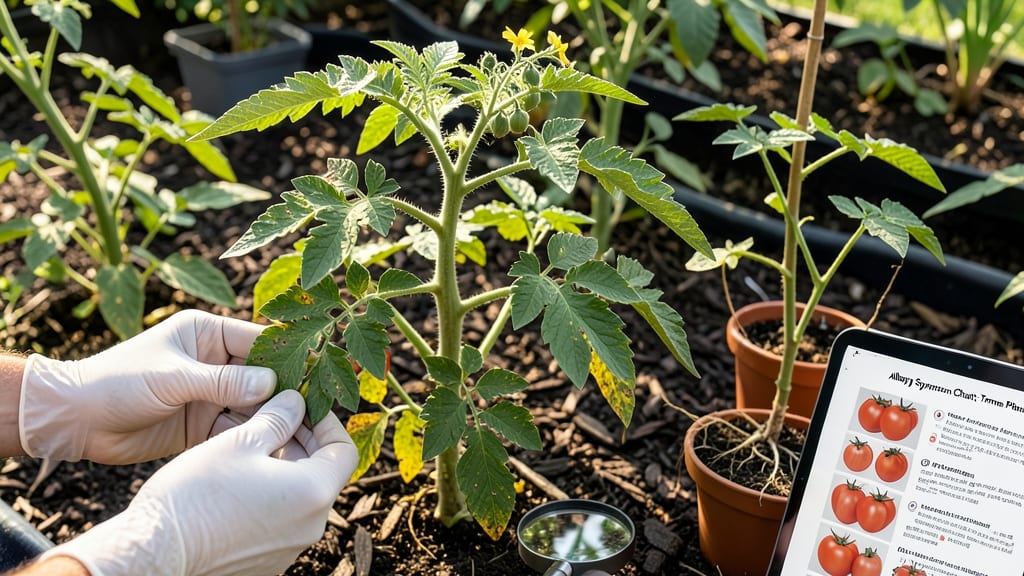
Allergic reactions to tomato plants—like skin rashes, sneezing, or watery eyes—stem from proteins found in the plant's sap, leaves, or pollen. These allergens can also trigger cross-reactions with nightshade foods such as potatoes, peppers, or eggplants, making dietary vigilance essential.
If you've ever touched a tomato plant and ended up with itchy skin or sniffles, you're likely reacting to specific proteins in the Solanum lycopersicum family. 🌿 The immune system often overreacts to these proteins, especially when exposed through gardening or even airborne pollen.
What's tricky is that similar proteins exist in other nightshade vegetables, so someone allergic to tomato plants might also experience symptoms after eating a baked potato or grilled bell pepper.
I've seen cases where people assumed their reaction was to the food itself, not realizing the plant's pollen was the culprit.
For gardeners, wearing gloves and working in well-ventilated areas can reduce exposure. If you're sensitive, consider swapping tomato plants for low-allergen alternatives like basil, marigolds, or lettuce. 🌱 The key is recognizing that nightshade allergies often require a broader approach—both in the garden and on your plate.
💡 In This Article
- Tomato Plant Allergy Triggers and Immune Responses
- Managing Tomato Plant Allergies in Gardening and Diet
Tomato plant allergy triggers and immune responses
The immune system of sensitive individuals reacts to specific proteins found in tomato plants (Solanum lycopersicum), particularly those in the leaves, stems, and pollen. The most problematic proteins include Solanaceae-specific allergens like profilins and chitinases, which trigger histamine release when the immune system mistakenly identifies them as threats.
These proteins are especially concentrated in the plant's sap, which can cause immediate reactions like hives or swelling upon skin contact.
Pollen exposure often leads to respiratory symptoms because microscopic particles become airborne during gardening or even when brushing against plants. Studies show that 30-50% of tomato plant allergy sufferers experience cross-reactions with other nightshade vegetables due to shared protein structures.
For example, the profilin protein in tomatoes has a 70% structural similarity to the same protein in potatoes, which explains why eating roasted potatoes might trigger symptoms in someone allergic to tomato plants. 🌱
Skin contact with tomato plant sap typically causes localized reactions within 15-30 minutes, while pollen exposure may take 2-4 hours to manifest as sneezing or itchy eyes. The severity varies—some people develop mild redness, while others experience full-blown allergic contact dermatitis with blistering.
Interestingly, cooking doesn't denature these proteins completely, so even tomato-based sauces can pose risks for sensitive individuals.
What makes this allergy particularly challenging is the cross-reactivity chain within the Solanaceae family. If you're allergic to tomatoes, you might also react to eggplants, peppers, or even tobacco products, which share similar protein profiles.
The immune system's memory means once sensitized, these reactions can persist for life, requiring lifelong monitoring of both garden exposure and dietary choices. 🌿
Diagnosing the specific triggers often involves skin prick tests or blood tests measuring IgE antibodies to tomato proteins. Allergists may also recommend patch testing to distinguish between pollen and sap allergies.
The good news is that while these allergies are chronic, proper avoidance strategies can significantly reduce symptom flare-ups in most cases.
For those with severe reactions, carrying an epinephrine auto-injector might be necessary during gardening seasons. The key is recognizing that tomato plant allergies aren't just about eating tomatoes—they extend to all parts of the plant and its botanical relatives in the nightshade family.
This interconnectedness means gardeners and home cooks alike need to approach these plants with caution.