
Planting
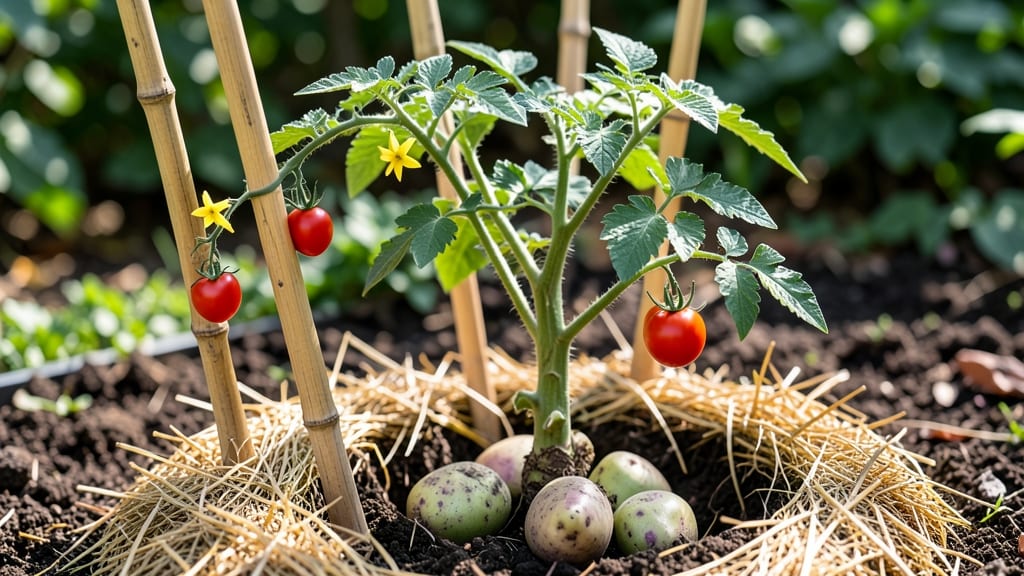
Growing a tomato-potato hybrid plant is like having two gardens in one—except it’s not as easy as it sounds. 🌱 These experimental plants exist through grafting or advanced breeding, combining the best of both worlds into a single, high-yielding specimen. The results?
A plant that produces edible tubers and fruit, though the science behind it is still cutting-edge. The catch? These hybrids demand precise care—think rich, well-draining soil, 6-8 hours of sunlight daily, and consistent moisture (but no soggy roots).
Most thrive in USDA Zones 5-9, though cooler climates may need season extension. Grafting is the most common method, but seeds from hybrid plants can be hit-or-miss—expect 50% success at best.
You’ll harvest potatoes from the roots (like a regular spud) and tomatoes from the vines—but timing is key. Potatoes mature in 90-120 days, while tomatoes take 60-85 days. The real magic? Saving space while doubling your harvest.
Just be warned: these plants compete for nutrients, so fertilize carefully to avoid one crop starving the other. Ethical note: If using genetically modified hybrids, check local laws—some regions restrict GMOs. For organic gardeners, grafting with heirloom varieties is the safest bet. Ready to revolutionize your garden?
📚 In This Guide
- What you need
- Instructions
- Tips and common mistakes
- Wrapping up and next steps
What you need
- ● Tomato and potato seeds or cuttings: 2–3 Solanum lycopersicum (tomato) seeds or rooted cuttings
- ● 2–3 Solanum tuberosum (potato) seeds or small tubers (eyes intact)
- ● Growing medium: 1–2 gallons of sterile potting mix (well-draining, peat-based or coco coir blend)
- ○ Optional: Perlite or vermiculite (10–20% mix) for aeration
- ● Growing containers: 2–4 6-inch+ pots with drainage holes (or a single large container for grafting)
- ● Grafting tools: Sharp, sterilized grafting knife or razor blade
- ● Grafting clips or rubber bands (2–4)
- ● Aluminum foil or plastic wrap (for humidity)
- ● Watering supplies: Spray bottle (for misting)
- ● Watering can (with fine rose nozzle)
- ● Rooting hormone (to boost success rates)
- ● Grow lights or sunny windowsill (if natural light is limited)
- ● pH test kit (ideal soil pH: 5.8–6.5)
- ● Fungicide (e.g., neem oil or copper spray for prevention)
- ● Garden journal (to track progress!)
Step-by-Step guide to growing tomato-potato hybrid plants
Here's how I've mastered growing these fascinating dual-purpose perennials—where every plant yields both tomatoes and potatoes.
🌱 Step 1: Select and Prepare the Right Varieties
Start with certified hybrid seeds designed for dual production, like 'Potato-Tomato' or 'Tomatato' varieties. These specialized plants have been bred to produce both tubers and fruit on the same plant. Plant seeds indoors 8-10 weeks before your last frost date in biodegradable peat pots filled with sterile seed-starting mix.
Keep the soil consistently moist but never soggy during germination, which typically occurs in 7-14 days at 70-75°F. The key here is patience—these hybrids need time to establish strong root systems capable of supporting both fruit and tuber production. Once seedlings develop 2-3 true leaves, they're ready for transplanting.
☀️ Step 2: Plant in Well-Draining, Fertile Soil
Choose a sunny location with 6-8 hours of direct sunlight daily. These hybrids thrive in loamy, well-draining soil with a pH between 6.0-6.8. Amend heavy clay soils with compost and perlite to improve drainage—waterlogged roots will stunt tuber development.
Plant seedlings 18-24 inches apart in rows spaced 3 feet apart to allow ample room for both above-ground and below-ground growth. At planting time, mix in a balanced organic fertilizer (10-10-10 ratio) to provide essential nutrients for both fruit and tuber production. Water deeply after planting to settle the soil around the roots.
💧 Step 3: Implement a Dual-Purpose Care Routine
Water consistently to keep the soil evenly moist—never let it dry out completely, as this will reduce both fruit and tuber yields. Use drip irrigation or soaker hoses to deliver water directly to the root zone, avoiding wet foliage which can promote disease. Mulch with straw or shredded leaves to retain moisture and regulate soil temperature.
Fertilize every 4-6 weeks with a low-nitrogen, high-phosphorus fertilizer to encourage tuber development. When the plants reach 12-18 inches tall, stake or cage them to support the weight of both tomatoes and potatoes. Prune suckers regularly to direct energy toward fruit production rather than excessive foliage.
⏰ Step 4: Harvest Strategically for Maximum Yield
Begin harvesting new potatoes when the plant reaches 6-8 weeks of growth by gently brushing away soil to check for small, firm tubers. Leave some potatoes in the ground to mature fully for larger harvests later in the season. For tomatoes, wait until they develop full color and a slightly soft texture before picking.
Continue harvesting potatoes throughout the season by carefully digging around the base of the plant. After the first frost, remove all remaining plants and harvest any remaining potatoes before the ground freezes. Store harvested potatoes in a cool, dark place with good air circulation to prevent sprouting.
🌿 Step 5: Overwinter for Perennial Growth
These hybrids are perennials in USDA Zones 8-11, meaning they'll regrow each year with proper care. After the first frost, cut back the foliage to 2-3 inches above the soil and mulch heavily with straw or leaves to protect the crown from freezing temperatures.
In spring, remove the mulch and fertilize lightly to encourage new growth. These plants will produce both tomatoes and potatoes again the following year, though yields may be slightly lower in the first few years as the plant establishes its root system. With consistent care, they'll become a reliable, space-saving addition to your garden.
Tips & tricks for perfect tomato-potato hybrid plant growth
Here's what I've learned after years of growing these space-saving marvels—simple secrets that make all the difference.
Seedling Success: In Step 1, when you're waiting for those 7-14 days of germination at 70-75°F, resist the urge to overwater. I learned this the hard way after losing three batches to damping off. Use a spray bottle to mist the soil lightly—just enough to keep the surface moist without creating a soggy environment that invites fungal diseases. The biodegradable peat pots help with this by allowing proper airflow while maintaining moisture.
Soil Science: For Step 2, don't just amend your soil—test it first. I use a simple pH kit to confirm that range of 6.0-6.8 before planting. If your soil tests higher than 6.8, add sulfur; if lower, use lime. The compost and perlite mix should be about 20% of your total soil volume. This precise balance is what allows these hybrids to develop both tubers and fruit simultaneously without competing for nutrients.
Dual-Purpose Pruning: In Step 3, when your plants reach 12-18 inches tall, focus your pruning efforts on the lower stems. Remove any suckers that appear below the first flower cluster—these are the ones that would otherwise divert energy to tuber production at the expense of your tomatoes. I make it a habit to prune every Sunday morning, which keeps my plants producing fruit consistently throughout the season.
Harvesting Strategy: For Step 4, when you're checking for new potatoes at 6-8 weeks, look for tubers that are about the size of a golf ball. These are perfect for immediate use. The key is to harvest just a few at a time—never more than 20% of the plant's tubers in one go. This encourages the plant to keep producing both potatoes and tomatoes throughout the season. I mark my harvest spots with small flags to avoid disturbing unharvested tubers.
Pro Tips for Tomato Potato Hybrid Plant
- Here's what I've learned after years of growing these space-saving marvels—simple secrets that make all the difference.
- Seedling Success: In Step 1, when you're waiting for those 7-14 days of germination at 70-75°F, resist the urge to overwater.
- Soil Science: For Step 2, don't just amend your soil—test it first.
Frequently asked questions
Got questions about growing your own tomato-potato hybrid plant? You’re not alone! Here are some of the most common queries—plus straightforward answers to help you thrive with this dual-purpose wonder.
Can a tomato-potato hybrid plant really produce both fruits?
The short answer is yes—but with a twist! These plants are grafted hybrids, meaning the tomato and potato are genetically fused to share the same root and stem. While they won’t yield both fruits simultaneously (tomatoes are annuals; potatoes are perennials), they’ll produce edible tubers and tomato fruits in the same growing cycle. Think of it as a two-for-one harvest!
How long does it take for a tomato-potato hybrid to produce fruit?
Patience is key! Tomato-potato hybrids typically take 60–90 days to produce tomatoes (depending on variety) and 90–120 days for potatoes to fully mature. Start seeds indoors 8–10 weeks before your last frost for optimal timing. Pro tip: Harvest potatoes early (when small) to encourage more tomato production!
What if my hybrid plant looks sick—should I save it?
Hybrids are hardy but not invincible! Common issues include blight (early or late), pests, or nutrient deficiencies. If leaves yellow (nutrient deficiency) or spots appear (fungus), act fast:
- Prune infected foliage immediately.
- Apply neem oil or copper fungicide.
- Ensure 6+ hours of sunlight and well-draining soil.
Are there alternatives if I can’t find a tomato-potato hybrid?
If hybrids aren’t available, try these space-saving combos:
- Tomato + Basil: Plant basil at the tomato’s base to repel pests and boost flavor.
- Potato + Thyme: Thyme deters Colorado potato beetles naturally.
- Grafted Tomatoes: Some nurseries sell tomato varieties grafted onto disease-resistant roots.
Can tomato-potato hybrids survive winter?
Potatoes are perennial in mild climates (Zones 7–10), but tomatoes are annuals—so the hybrid’s fate depends on the potato side. In colder zones, harvest potatoes before frost and store them in a cool, dark place. If you’re in a frost-free area, the plant may re-sprout next year (though tomato production may vary). Mulch heavily in fall to protect roots!
Wrapping up and next steps
The tomato-potato hybrid plant isn’t just a gardening curiosity—it’s a game-changer for space-saving, high-yield harvests! 🌱 With its dual-purpose perennials and adaptable care, this innovative plant offers a sustainable way to grow two staple crops in one.
Whether you’re a seasoned gardener or a curious beginner, experimenting with hybrids can unlock creativity and efficiency in your garden.
Ready to take the next step? Start small—try growing a hybrid plant in a container or patch of your yard, and observe how it thrives. Share your progress with fellow gardeners, and who knows? You might just inspire the next big revolution in homegrown food! 🌟