
How To
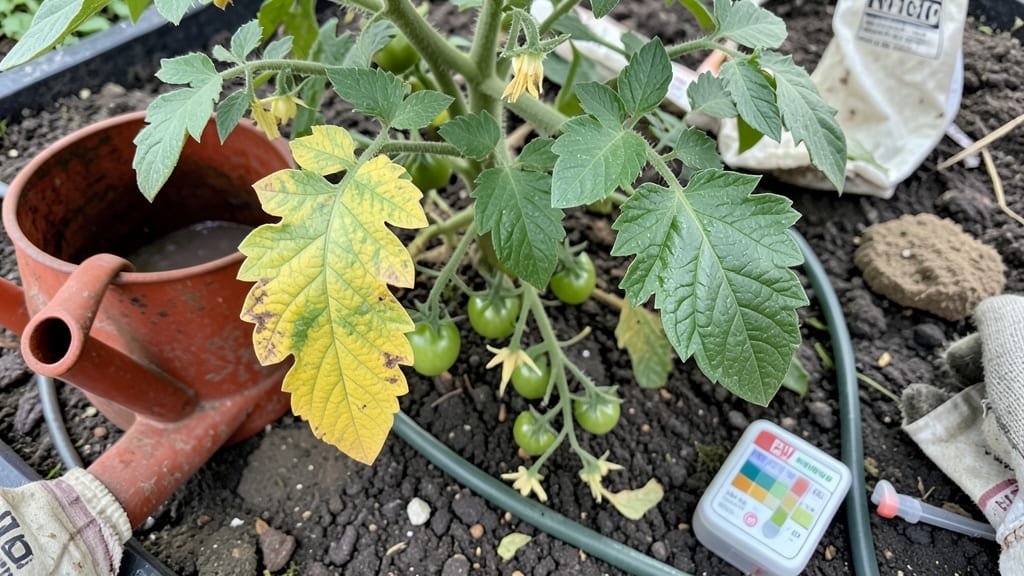
Your tomato plants are screaming for help when those leaves turn yellow—root rot might be the culprit, and it’s easier to fix than you think. 🌱 I’ve saved dozens of plants from this silent killer by catching it early, and the secret lies in three simple steps that stop the rot before it spreads.
Yellowing leaves usually mean one of three things: overwatering (the #1 cause), nutrient deficiencies, or fungal infections. Root rot starts when soil stays soggy for days, cutting off oxygen to roots.
The fix? Check soil moisture with your finger—if it’s damp 2 inches down, hold off on watering. For nutrient issues, a balanced fertilizer (like 10-10-10) works wonders in 5-7 days.
Once you’ve adjusted watering and fed the plants, the real game-changer is hydrogen peroxide spray—just mix 1 tablespoon per quart of water and drench the soil. It kills fungus without chemicals, and you’ll see new green growth within 2 weeks.
The key is acting fast: the longer you wait, the harder it gets.
Prevent future problems by improving drainage (raise beds or add perlite) and watering at the base, not overhead. If yellowing spreads to stems or the plant wilts despite your efforts, it might be time to call in a local extension service—some cases need professional help to save your harvest.
Root Causes Behind Yellowing Tomato Leaves
Tomato leaves turning yellow isn’t just a random quirk of nature—it’s your plant’s way of signaling distress. Understanding the why behind this common issue is the first step to saving your harvest.
Below, we break down the most frequent culprits, explained in clear, actionable terms so you can diagnose and fix the problem fast.
Yellowing leaves often start at the bottom of the plant and spread upward, accompanied by soggy soil or a foul odor.
This is a classic sign of root rot, caused by: - Excess moisture suffocating roots (common in pots without drainage holes or heavy clay soils). - Fungal or bacterial infections thriving in waterlogged conditions (e.g., Phytophthora or Pythium). - Compacted soil preventing oxygen from reaching roots, leading to suffocation.
Why it happens: Roots need both water and air to function. When soil stays too wet, roots can’t absorb oxygen, leading to cell death. The yellowing is your plant’s SOS—it’s drowning, not thirsty!
If yellowing appears crispy or dry, with leaves curling at the edges, your tomato is likely thirsty or overheated. Key triggers:
- Inconsistent watering (e.g., skipping weekly deep waterings).
- High temperatures (above 90°F/32°C) increasing evaporation rates.
- Shallow root systems in young plants or container-grown tomatoes.
Why it happens: Tomatoes are 95% water by weight, and their leaves rely on a steady water supply to stay green. When soil dries out, roots can’t pump nutrients upward, causing chlorosis (loss of chlorophyll). Heat stress compounds the issue by accelerating water loss through transpiration.
Yellowing between leaf veins (while veins stay green) is a classic nutrient deficiency, most often nitrogen (N), but also:
- Magnesium (Mg) – Yellow patches on older leaves (common in alkaline soils).
- Iron (Fe) – Interveinal chlorosis (yellowing between veins) in acidic soils.
- Potassium (K) – Weak stems and yellowing at leaf edges (often seen in over-fertilized plants).
Why it happens: Nitrogen is the building block of chlorophyll, the pigment that gives leaves their green color. Without enough N, leaves can’t produce chlorophyll, turning yellow. Other deficiencies disrupt cellular processes, leading to similar symptoms.
Sap-sucking pests (like aphids, spider mites, or whiteflies) and diseases (e.g., early blight or tomato mosaic virus) can cause yellowing by:
- Stealing nutrients (pests inject toxins while feeding).
- Blocking stomata (disease lesions reduce photosynthesis).
- Weakening the plant’s immune system (stressed plants yellow faster).
Why it happens: Pests physically damage leaves, while diseases disrupt the plant’s ability to transport nutrients. Both scenarios lead to reduced chlorophyll production and yellowing, often paired with stunted growth or spotted leaves.
Yellowing after repotting or after a storm? Root trauma is likely the culprit. Causes include:
- Disturbed roots during transplanting (even if you’re gentle!).
- Physical damage from wind, hail, or rough handling.
- Overcrowded roots in small containers (roots compete for space/nutrients).
Why it happens: Roots are the plant’s lifeline. When damaged, they can’t absorb water or nutrients efficiently, causing leaves to yellow as the plant struggles to recover. This is especially common in container-grown tomatoes or after a sudden weather event.
- Too much salt (from tap water, over-fertilizing, or synthetic fertilizers) can burn roots, leading to yellowing.
- High soil pH (above 7.0) locks out micronutrients like iron and manganese, causing interveinal chlorosis.
- Fertilizer burn (e.g., using fresh manure or synthetic spikes too often) disrupts the soil microbiome.
Why it happens: Salts and pH imbalances alter soil chemistry, making nutrients unavailable to roots. Even if the soil looks rich, your tomato can’t access what it needs, leading to yellowing as the plant starves—despite being "fed."
- Sudden temperature swings (e.g., cold nights followed by hot days).
- High winds damaging leaf structure.
- Air pollution (urban gardens near roads may see yellowing from ozone or sulfur dioxide).
Why it happens: Plants are sensitive to abrupt changes. Stress hormones like ethylene trigger leaf yellowing as a survival mechanism, shedding damaged foliage to conserve energy for fruit production.
Not sure which cause fits your tomato? Use this symptom cheat sheet to narrow it down:
| Symptom | Likely Cause | Act Fast With |
|---|---|---|
| Bottom leaves yellow first | Overwatering/root rot | Check soil moisture, improve drainage |
| Crispy, dry edges | Underwatering/heat stress | Deep watering, shade cloth |
| Yellow between veins | Nitrogen or iron deficiency | Balanced fertilizer or chelated iron |
| Spots + yellowing | Disease (early blight) | Copper fungicide, prune infected leaves |
| Stunted growth + pests | Aphids/spider mites | Neem oil spray, beneficial insects |
| Yellow after repotting | Root damage | Root stimulator, gentle watering |
Quick Fixes for Yellow Tomato Leaves
Yellowing tomato leaves can feel like a gardening crisis, but most issues have simple, actionable solutions—especially when you pinpoint the root cause. Below, we’ll break down practical fixes for each common trigger, from overwatering to pests, so you can revive your plants fast.
Prevention tips are included to keep your tomatoes thriving long-term!
Symptoms: Yellowing leaves, wilting, soggy soil, or mushrooms (a red flag for root rot).
Step-by-Step Rescue
- 🚰 Stop Watering Immediately
- Let the top 1–2 inches of soil dry out before watering again. Stick your finger in the soil—if it’s damp past your first knuckle, wait.
- 🌱 Improve Drainage Fast
- For containers: Add a layer of perlite, vermiculite, or coarse sand to the bottom of the pot before repotting.
- For in-ground plants: Amend the soil with compost or organic matter to loosen it. Avoid compacted clay soil.
- 🧼 Disinfect the Roots (If Root Rot is Suspected)
- Gently remove the plant from the soil and trim away black, mushy roots with sterilized scissors.
- Soak the roots in a 1:10 hydrogen peroxide solution (3% peroxide) for 10 minutes to kill fungus, then replant in fresh, dry soil.
- 🌿 Adjust Your Watering Habits
- Water deeply but infrequently: Aim for 1–1.5 inches per week (adjust for rain).
- Water at the base—avoid wetting leaves to prevent fungal spread.
- Use drip irrigation or soaker hoses to keep moisture consistent.
💡 Pro Tip: If your pot lacks drainage holes, drill them or switch to a container with better airflow. Root rot thrives in stagnant water!
Symptoms: Yellowing edges of leaves, crispy texture, or leaves curling upward.
How to Cool Them Down
- 🌳 Provide Shade Cloth
- Use 30–50% shade cloth during peak sun (10 AM–4 PM). Secure it 2–3 feet above the plants to allow airflow.
- 💦 Mulch to Retain Moisture
- Spread 2–3 inches of straw or wood chips around the base (but not touching the stem). This keeps roots cool and reduces evaporation.
- 🌊 Water Early or Late
- Water before 9 AM or after 6 PM to avoid rapid evaporation and leaf scorch.
- 🌿 Prune for Better Airflow
- Trim crowded or diseased leaves to improve circulation. Aim for 6–8 inches between plants for optimal airflow.
🔥 Hot Tip: If your tomatoes are in a greenhouse, ventilate daily and mist leaves lightly in the morning to reduce heat stress.
Symptoms: Yellow spots, holes, webbing, or sticky residue (aphids/honeydew).
Pest & Disease Control
| Pest/Disease | Fix It With | Prevention |
|---|---|---|
| Aphids | Spray with soapy water (1 tsp mild soap + 1 quart water) or neem oil. | Introduce ladybugs or lacewings. |
| Spider Mites | Blast off with water spray, then apply neem oil every 5 days. | Increase humidity with a hose mist 2x/day. |
| Fungal Leaf Spot | Remove infected leaves, spray with copper fungicide, and space plants wider. | Water only at the base; avoid overhead sprinklers. |
| Blight (Early/Late) | Prune infected foliage, apply baking soda spray (1 tbsp + 1 quart water + a drop of soap). | Rotate crops; plant resistant varieties (e.g., ‘Mountain Merit’). |
🌡️ Pro Tip: For severe infestations, isolate the plant until treated to prevent spread.
Symptoms: Yellowing between veins (nitrogen), purple stems (phosphorus), or weak growth (potassium).
How to Fertilize Correctly
- 📊 Test Your Soil
- Use a DIY soil test kit (or send a sample to a local extension office) to identify deficiencies.
- 🍅 Balanced Fertilizer Boost
- For nitrogen (yellow leaves): Use fish emulsion or compost tea (high in nitrogen).
- For phosphorus (purple stems): Apply bone meal or rock phosphate.
- For potassium (weak stems): Try wood ash or a balanced 10-10-10 fertilizer.
- 🌿 Organic Fixes
- Epsom salt (magnesium): 1 tbsp per gallon of water, spray on leaves weekly.
- Banana peels (potassium): Bury chopped peels near roots or steep in water for 2 weeks, then use as fertilizer.
- ⏰ When to Feed
- Start fertilizing when flowers appear, then every 2–4 weeks until harvest.
- Avoid over-fertilizing—this burns roots! Follow package instructions.
✨ Golden Rule: If leaves are only yellowing on older ones, it’s likely nitrogen. If new leaves are yellow, check for over-fertilization (too much salt).
If your tomato plant is beyond saving (e.g., severe root rot, widespread disease), don’t hesitate to pull and replace it. Use the space to grow a new transplant or succession plant like basil or peppers, which thrive in similar conditions.
💡 Prevention Checklist for Next Season:
- [ ] Choose disease-resistant varieties (e.g., ‘Celebrity’, ‘Solar Fire’).
- [ ] Rotate crops—don’t plant tomatoes in the same spot yearly.
- [ ] Sterilize tools with rubbing alcohol before pruning.
- [ ] Monitor soil pH (aim for 6.0–6.8 for tomatoes).
Frequently asked questions
Why do tomato leaves turn yellow first at the bottom?
This is often a sign of overwatering or root rot—the most common causes. When roots suffocate from excess moisture, they can't absorb nutrients, so the oldest leaves (which use the most resources) yellow first as the plant prioritizes survival. Check soil moisture by sticking your finger 2 inches deep—if damp, hold off on watering until it dries.
Can yellow tomato leaves turn green again?
Yes, but it depends on the cause! For nutrient deficiencies, apply a balanced fertilizer (like 10-10-10) and new growth will return green in 5-7 days. If it's overwatering/root rot, improve drainage and trim mushy roots—healthy regrowth may take 2-3 weeks. Pests or disease? Treat immediately, but severe cases may require removing the plant.
What's the difference between yellow leaves from overwatering vs. underwatering?
Overwatering causes bottom leaves to yellow first, with soggy soil and possible foul odors. Underwatering shows as crispy, dry edges that curl upward, often paired with wilted leaves that perk up when watered. Stick your finger in the soil—if it's bone dry past 1 inch deep, it's thirsty!
Will yellow leaves affect my tomato harvest?
Not necessarily! If only a few lower leaves yellow from aging or minor stress, the plant can redirect nutrients to fruit production. However, widespread yellowing (especially from disease or severe deficiencies) reduces photosynthesis, weakening the plant and potentially shrinking your harvest. Act fast to save both leaves and tomatoes.
Can I use coffee grounds to fix yellow tomato leaves?
Coffee grounds can help with nitrogen deficiencies (which cause yellowing), but they're not a magic fix. Mix ½ cup per plant into the soil or make "coffee tea" by steeping grounds in water for 24 hours, then using it to water. However, they also acidify soil—test your pH first (ideal for tomatoes is 6.0-6.8). For best results, combine with compost.