
Container Gardens
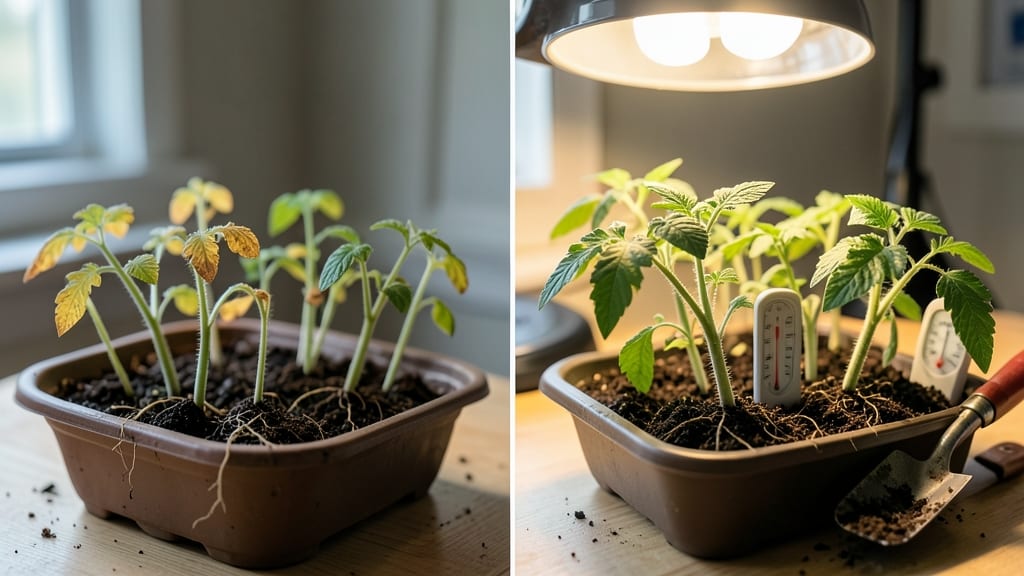
Your tomato seedlings aren’t growing because they’re silently begging for something basic—light, water, or space. 🌱 I’ve nursed dozens of these stubborn little plants back to health, and the fixes are simpler than you’d think: too much water, not enough sun, or crowded roots can stall them before they even reach your garden.
The first step is checking their environment: are they wilting or yellowing? That’s usually overwatering. Stretched and leggy? They need more light. And if they’re just sitting there like sad little twigs, they might be root-bound.
Each problem has a quick solution—like adjusting your watering schedule or giving them a brighter spot. Once you fix the issue, you’ll see new growth within 5-7 days. The plants will go from limp and stunted to strong and vibrant, ready to transplant.
Trust me, this is the turning point where everything changes. The best part? These fixes work for any seedling—herbs, peppers, even flowers. Let’s get those tomatoes growing strong!
Root Causes of Stunted Seedlings
Tomato seedlings that refuse to grow can be frustrating, but the good news is that most issues stem from a few key factors—often fixable with simple adjustments. Below, we break down the most common reasons your seedlings are lagging, backed by science and actionable insights.
Tomatoes are light-hungry plants, and seedlings need 12–16 hours of bright light daily to thrive. Without enough light, they stretch (a condition called etiolation), grow weak, and may even die.
Why it happens:
- Photosynthesis slows when light is limited, reducing energy for growth.
- Seedlings may lean toward light sources (windowsills or grow lights), causing weak stems.
- Cool temperatures (below 60°F/15°C) worsen the problem by reducing metabolic activity.
Actionable fix:
- Move seedlings within 6 inches of a grow light (LED or fluorescent) or to a south-facing window (if natural light is weak).
- Rotate trays daily to prevent uneven growth.
- Use a timer for artificial lights to maintain consistency.
Tomatoes hate soggy roots—excess moisture cuts off oxygen, leading to root rot (Phytophthora or Pythium fungi) and stunted growth.
Why it happens:
- Compacted soil or small containers trap water, suffocating roots.
- Overhead watering keeps foliage damp, inviting fungal infections.
- Salty or alkaline soil (from tap water) can also inhibit nutrient uptake.
Actionable fix:
- Water only when the top inch of soil is dry—stick your finger in to check!
- Use well-draining soil mixes (add perlite or vermiculite if needed).
- Bottom-water seedlings by placing trays in a shallow tray of water for 10–15 minutes.
- Avoid wetting leaves—water at the soil base instead.
Tomato seedlings are sensitive to extremes—too hot or too cold can halt growth.
Why it happens:
- Below 50°F (10°C): Growth slows; seedlings may turn purple (phosphorus deficiency).
- Above 90°F (32°C): Roots struggle to absorb water, causing wilting.
- Drafts or sudden temperature swings (like near AC vents) shock young plants.
Actionable fix:
- Keep seedlings in a consistent 65–75°F (18–24°C) range.
- Use a seedling heat mat (70°F/21°C) if your space is chilly.
- Move trays away from windows at night (glass radiates cold).
- Hardening off (gradually exposing seedlings to outdoor temps) helps them adapt before transplanting.
Seedlings need balanced nutrition, but too much (or too little) fertilizer can stunt growth.
Why it happens:
- Young seedlings don’t need fertilizer—overfeeding burns roots.
- Nitrogen-heavy mixes (like lawn fertilizer) cause leafy but leggy growth with no fruit potential.
- Micronutrient deficiencies (iron, magnesium, zinc) show as yellowing leaves (chlorosis).
Actionable fix:
- Wait until seedlings have 2–3 true leaves before fertilizing.
- Use a diluted, balanced fertilizer (5-5-5 or 10-10-10) at half strength.
- Test soil pH (ideal: 6.0–6.8)—acidic soil locks out nutrients.
- Epsom salt (magnesium sulfate) can help if leaves yellow between veins.
Seedlings compete for space, water, and nutrients when overcrowded, leading to weak, stunted growth.
Why it happens:
- Roots tangle in small pots, limiting expansion.
- Competition for light causes seedlings to stretch toward each other.
- Transplant shock occurs if roots are disturbed too soon.
Actionable fix:
- Thin seedlings to 1 plant per 2–3 inches of diameter (or transplant into 4–6" pots).
- Use individual cells or small pots (not shared trays) to prevent root binding.
- Gently loosen roots when transplanting to encourage new growth.
Pro Tip: 💡 If your seedlings are still struggling after addressing these issues, check for pests (aphids, spider mites) or disease (damping off—fuzzy mold at the soil line). Isolate affected plants and treat with neem oil or fungicide if needed.
Quick Fixes for Stunted Tomato Seedlings
If your tomato seedlings are struggling to grow, don’t panic—most issues have simple, effective solutions. Below, we’ve mapped common causes to step-by-step fixes, so you can revive your plants fast. Plus, we’ll share prevention tips to keep your seedlings thriving from start to harvest. 🌱✨
If seedlings are packed too tightly, they compete for light, water, and nutrients, leading to weak, leggy growth.
How to Fix It: 🔥 Step 1: Wait for True Leaves Wait until seedlings have at least two sets of true leaves (not just the initial seed leaves) before thinning. This ensures they’re strong enough to survive. 🍳 Step 2: Use the Right Tools Gently snip seedlings at soil level with clean scissors or your fingers. Avoid pulling—the roots may break, causing stress. 👨🍳 Step 3: Space Them Properly Leave 2–3 inches between seedlings in small pots or 6–12 inches apart in the garden. If transplanting later, space them 18–24 inches apart for robust growth. 🥘 Step 4: Repurpose the Snipped Seedlings Don’t waste the thinned seedlings! Plant them in a separate pot or share with fellow gardeners. Prevention Tip: 💡 Sow Sparingly: Follow seed packet spacing guidelines when planting. If using trays, thin early to avoid overcrowding.Leggy, pale seedlings? They’re stretching toward light but not getting enough. Weak stems and yellowing leaves are red flags.
How to Fix It: 🔥 Step 1: Assess Light Conditions Seedlings need 12–16 hours of light daily. If using a sunny window, rotate pots daily for even growth. 🍳 Step 2: Supplement with Grow Lights Place a full-spectrum LED grow light 2–4 inches above seedlings (adjust as they grow). Run lights for 14–16 hours/day. 👨🍳 Step 3: Choose the Right Spot Move seedlings to a south-facing window or under artificial grow lights immediately. Avoid north-facing windows—they’re too dim. 🥘 Step 4: Harden Off Gradually If moving outdoors, acclimate seedlings over 7–10 days by placing them in partial shade for increasing durations. Prevention Tip: 🌡️ Start Early with Lights: If natural light is weak (common in early spring), use grow lights from day one to prevent stretching.Mushy stems, yellow leaves, or seedlings that topple easily? Overwatering or soggy soil is likely the culprit.
How to Fix It: 🔥 Step 1: Check Soil Moisture Stick your finger 1 inch into the soil. If it’s damp, wait before watering. Seedlings need consistently moist (not soggy) soil. 🍳 Step 2: Improve Drainage Ensure pots have drainage holes and use a well-draining mix (50% potting soil + 50% perlite or vermiculite). 👨🍳 Step 3: Water Correctly Water at the base (not overhead) to avoid fungal diseases. Use a spray bottle for delicate seedlings or a watering can with a fine rose. 🥘 Step 4: Let Soil Dry Slightly Between Waterings Aim for top ½ inch of soil to dry out before watering again. Overwatering suffocates roots! Prevention Tip: ✨ Use Self-Watering Trays: These keep soil evenly moist without drowning seedlings.Slow growth, purple stems, or small leaves? Your seedlings may be hungry—but too much fertilizer can burn them.
How to Fix It: 🔥 Step 1: Test Your Soil Use a simple soil test kit to check pH (ideal: 6.0–6.8) and nutrient levels. 🍳 Step 2: Use a Gentle Fertilizer Start with a balanced, water-soluble fertilizer (e.g., 5-5-5 or 10-10-10) diluted to half strength. Apply every 2–3 weeks. 👨🍳 Step 3: Feed at the Right Time Fertilize after seedlings develop their second set of true leaves. Avoid fertilizing stressed or newly transplanted seedlings. 🥘 Step 4: Try Organic Options For a natural boost, use compost tea or fish emulsion (diluted per package instructions). Prevention Tip: 💪 Feed Lightly: Seedlings don’t need heavy feeding—too much fertilizer causes salt buildup, which stunts growth.Holes in leaves, wilting, or strange spots? Pests or diseases may be holding your seedlings back.
How to Fix It: 🔥 Step 1: Identify the Problem Common culprits:
- Aphids (tiny green/black bugs on leaves)
- Fungal diseases (powdery mildew, damping-off)
- Spider mites (fine webbing on undersides)
🍳 Step 2: Remove Pests Manually For aphids or spider mites, spray seedlings with soapy water (1 tsp mild dish soap + 1 quart water). Repeat every 3–4 days if needed.
👨🍳 Step 3: Treat Fungal Issues
- Damping-off (black stem at soil line): Remove infected seedlings immediately. Sterilize pots with 1 part bleach to 10 parts water, then rinse well.
- Powdery mildew (white powder): Spray with baking soda solution (1 tsp baking soda + 1 quart water + a drop of soap).
🥘 Step 4: Prevent Future Infestations
- Space plants for airflow.
- Avoid overhead watering.
- Rotate crops yearly if gardening in the same spot.
Prevention Tip: 🎯 Start Clean: Use sterilized soil (bake in oven at 200°F for 30 mins or buy pre-sterilized mix) and clean tools between uses.
With these fixes, your tomato seedlings should perk up in 7–14 days. Monitor their progress and adjust care as needed. Happy growing! 🍅🌿
Frequently asked questions
Why are my tomato seedlings growing so slowly even with plenty of water?
Slow growth with adequate water usually means your seedlings need more light or better nutrients. Tomato seedlings require 12-16 hours of bright light daily—if they're stretching toward windows or grow lights, they're starving for light. Also check if your soil lacks nutrients—seedlings need balanced fertilizer only after developing 2-3 true leaves, not before.
My tomato seedlings have yellow leaves—what's wrong?
Yellow leaves usually indicate overwatering or nutrient deficiencies. Check soil moisture first—if it's soggy, reduce watering and ensure pots have drainage holes. If leaves yellow between veins, it's likely an iron or magnesium deficiency—try adding Epsom salt (1 tsp per gallon of water) or a chelated iron supplement.
Can I save tomato seedlings that are already leggy and stretched?
Yes! First, provide immediate bright light (within 6 inches of grow lights) to stop further stretching. Then, bury ⅔ of the stem when transplanting—this encourages new root growth from the buried sections. Use small pots (4-6 inches) to prevent overcrowding, and avoid fertilizing until new growth appears.
How often should I water tomato seedlings in small pots?
Water tomato seedlings when the top ½ inch of soil feels dry—typically every 2-3 days in small pots. Use the finger test: stick your finger in the soil to check moisture. Avoid overhead watering to prevent fungal diseases, and always use pots with drainage holes to prevent root rot.
What's the best way to tell if my tomato seedlings are ready to transplant?
Seedlings are ready when they have 4-6 true leaves and are 2-3 inches tall with sturdy stems. Check roots by gently squeezing the pot—if you see roots circling or growing through drainage holes, it's time. Harden them off first by placing outside for 1-2 hours daily over 7-10 days before full transplant.