
Fertilization
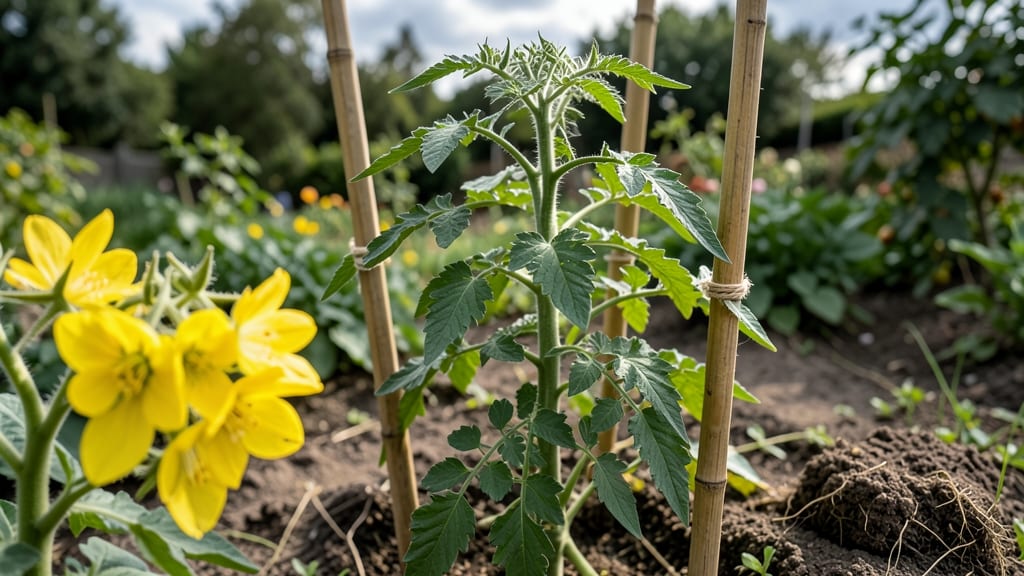
Why are my tomato plants big but no tomatoes? 🌱 That’s a classic sign of pollination problems—and the fix is simpler than you think. I’ve seen this happen when plants get all the water and sun they need but miss the tiny bees or wind that triggers fruit set. The good news? You can hand-pollinate tomatoes in just a few minutes, and it works every time.
First, check for tiny green tomatoes that drop early—this is your clue. Then look for weak stems or flowers that fall off without setting fruit. Often, it’s just a matter of giving the plants a gentle shake in the morning or using a small paintbrush to transfer pollen.
Too much nitrogen fertilizer can also delay fruiting, so switch to a balanced blend if your leaves are all green and no red.
Within a week of proper pollination, you’ll start seeing those first little tomatoes form. The plants will stay lush, but now they’ll channel energy into fruit instead of just leaves. Trust me, once you see the difference, you’ll never ignore this step again—it’s the secret to a bountiful harvest.
Works for backyard gardens, containers, or even balcony pots. The same principles apply whether you’re growing cherry tomatoes or beefsteaks. Let’s get those plants producing!
Root Causes Behind Leafy Tomatoes
If your tomato plants are thriving with lush green foliage but stubbornly refuse to produce fruit, the issue likely stems from one (or more) of these key environmental or biological factors.
Understanding the why behind the problem is the first step to fixing it. Let’s break down the science and what’s really holding back your harvest.
Tomatoes are warm-season crops, meaning they need specific temperature ranges to set fruit. If your plants are big but fruitless, temperature might be the culprit.
- Too Hot: When daytime temps exceed 90°F (32°C) for extended periods, tomato flowers abort before pollination can occur. The heat disrupts pollen production and flower development, leading to blossom drop—where flowers fall off without forming fruit. 💡 Pro Tip: Use shade cloth (30-50%) during peak heat to protect flowers.
- Too Cold: Nighttime temps below 55°F (13°C) can stunt pollen tube growth, preventing fertilization. Even if flowers look healthy, the pollen may fail to reach the ovary, resulting in empty blossoms.
- Temperature Swings: Rapid fluctuations (e.g., hot days + chilly nights) confuse the plant’s reproductive cycle, causing poor fruit set.
How to Check: Use a maximum/minimum thermometer near your plants to monitor daily highs and lows. Ideal temps for pollination are 60-85°F (15-29°C).
Water stress—whether from drought or overwatering—directly impacts tomato fruit production. Since tomatoes are 95% water, inconsistent moisture throws off their entire reproductive process.
- Underwatering: When soil dries out, tomato plants drop flowers and fruit to conserve energy. This is especially true during bud formation (when flowers first appear). ⏰ Action Step: Water deeply 1-2 inches per week, keeping soil evenly moist but not soggy.
- Overwatering: Excess moisture can drown roots, preventing nutrient uptake (including calcium, which is critical for fruit development). It also creates anaerobic conditions, where harmful bacteria thrive, further stressing the plant.
- Inconsistent Watering: Fluctuating moisture levels cause blossom end rot (a calcium deficiency symptom) and poor pollination because flowers wilt or fail to open properly.
Signs of Water Stress:
Underwatering
Overwatering
Wilting leaves, crispy edges, flowers dropping
Yellowing leaves, mushy stems, roots turning brown
Tomatoes are self-pollinating, but they still need a little help—usually from wind, bees, or gentle human intervention. If your plants are big but fruitless, pollination might be the missing link.
- Lack of Wind/Bee Activity: In greenhouses, containers, or areas with no bees, pollen may not transfer from the anther (male part) to the stigma (female part) of the flower. This leads to unfertilized ovaries and no fruit.
- Poor Flower Structure: Some tomato varieties (like cherry tomatoes) have smaller flowers that are harder for bees to access. Others may produce male-sterile flowers (common in certain hybrids).
- Rain or Humidity: Heavy rain can wash away pollen before it reaches the stigma, while high humidity can weaken pollen viability.
How to Test for Pollination Issues: 🔍 DIY Pollen Check: Gently tap a flower cluster with a small brush or your finger to simulate wind pollination. If flowers still don’t set fruit, hand-pollinate by transferring pollen with a cotton swab.
Tomatoes are heavy feeders, but the wrong nutrients (or too many) can shift their energy from reproduction to leaf growth. If your plants are lush but barren, your fertilizer might be the problem.
- Excess Nitrogen (N): Too much nitrogen promotes leafy growth at the expense of flowers and fruit. Look for dark green, soft leaves with few or no blossoms. 💡 Fix: Switch to a balanced fertilizer (e.g., 5-10-10) or add phosphorus-rich compost to encourage flowering.
- Low Phosphorus (P): Phosphorus is the "fruit" nutrient—it’s essential for flower and fruit development. Deficiency symptoms include purple stems, slow growth, and delayed fruiting.
- Calcium Deficiency: Without enough calcium, tomato flowers abort, and fruit develops blossom end rot (a leathery, dark spot at the blossom end). 🥗 Solution: Use crushed eggshells or calcium nitrate to boost levels.
- Potassium (K) Shortage: Potassium helps transport nutrients and strengthen cell walls. A deficiency leads to weak stems, yellow leaves with green veins, and poor fruit set.
Quick Nutrient Test: Pull a leaf and check the color:
- Dark green = Too much nitrogen
- Purple stems = Phosphorus deficiency
- Yellow edges = Potassium or magnesium issue
Tomato plants are sensitive to stress, and when they feel threatened, they prioritize survival over reproduction. Common stressors include transplant shock, pests, disease, or even overcrowding.
- Transplant Shock: If your seedlings were root-bound or disturbed too much when transplanted, they’ll focus on regrowing roots instead of flowering.
- Pest or Disease Damage: Aphids, whiteflies, or fungal diseases (like early blight) weaken the plant, diverting energy away from fruit production. 🛡️ Solution: Treat with neem oil or insecticidal soap and remove infected leaves.
- Overcrowding: When tomato plants compete for light, water, and nutrients, they produce more leaves to maximize photosynthesis but f
Fixing Your Tomato Plants Now
If your tomato plants are thriving but refusing to produce fruit, don’t panic—there’s almost always a fix! Below, we’ve mapped the most common causes to practical, step-by-step solutions so you can go from lush foliage to a bounty of tomatoes in no time.
Prevention tips are included to keep your plants happy and productive long-term.
Cause: Extreme temperatures (below 55°F/13°C or above 90°F/32°C) can halt pollination. Fix:
- 🌡️ Move or shade plants if temperatures soar. Use shade cloth (30-50%) during peak heat.
- 🌱 Extend the season with row covers or cold frames if nights are too chilly.
- 💡 Pro Tip: Morning watering (before 10 AM) keeps plants cooler and reduces stress.
Cause: Bees or wind aren’t transferring pollen, especially in greenhouses or urban areas. Fix:
- 👨🍳 Grab a paintbrush or cotton swab, gently brush the yellow pollen from male flowers (top of the plant) onto female flowers (near leaf axils with tiny fruits).
- ⏰ Do this in the morning when flowers are open and pollen is fresh.
- 🌿 Plant pollinator-friendly flowers (like marigolds or basil) nearby to attract bees naturally.
Cause: Stress from inconsistent watering weakens plants and stops fruit set. Fix:
- 🔥 Water deeply but infrequently—aim for 1-2 inches per week (more in heatwaves). Let the top inch of soil dry out between waterings.
- 🌱 Use mulch (straw or grass clippings) to retain moisture and regulate soil temp.
- ⚠️ Warning: Yellowing leaves? Check for root rot—adjust to well-draining soil if needed.
Cause: Too much nitrogen = leafy growth, but no flowers or fruit. Fix:
- 📊 Switch to a balanced fertilizer (like 5-5-5 or 10-10-10) or one higher in phosphorus (e.g., 3-4-6) to encourage blooming.
- 🍅 Stop fertilizing 2-3 weeks before harvest to let plants focus on fruit, not leaves.
- 💡 Pro Tip: Use compost tea or fish emulsion for a gentle nutrient boost without overloading.
Cause: Overcrowded flowers compete for energy, leading to dropped blooms. Fix:
- 🔪 Prune suckers (shoots between main stem and branches) to improve airflow and light penetration.
- 🌿 Remove some flowers if the plant is overwhelmed—keep 3-5 clusters per stem for larger tomatoes.
- ✨ Bonus: Pinch off the first few flowers if seedlings are small to encourage stronger growth.
Cause: Fungal diseases (like blight) or pests (aphids, hornworms) sap energy from fruit production. Fix:
- 🔍 Check leaves/stems daily for spots, holes, or sticky residue (signs of pests/disease).
- 🍳 Spray with neem oil or insecticidal soap for pests; use copper fungicide for blight.
- 🌱 Rotate crops next season to prevent soil-borne issues.
Keep your tomato plants productive with these easy habits:
- 🌡️ Pick heat-tolerant varieties (like ‘Solar Fire’ or ‘Heatmaster’) if you live in hot climates.
- 🐝 Plant near pollinator magnets (basil, borage, or marigolds) to lure bees.
- 💧 Use drip irrigation for consistent moisture without wetting leaves (reduces disease).
- 📅 Start seeds indoors 6-8 weeks before last frost for a head start.
Remember: Tomato plants are resilient—once you address the root cause (literally!), they’ll reward you with juicy, homegrown fruit. Try one fix at a time, monitor progress, and adjust as needed. Happy gardening! 🍅✨
Frequently asked questions
Why do my tomato plants have so many leaves but no flowers?
Too much nitrogen fertilizer is the #1 culprit! When plants get excessive nitrogen, they focus on leaf growth instead of flowering. Check your fertilizer ratio—if it's something like 10-0-0, switch to a balanced 5-5-5 or phosphorus-heavy 3-4-6 blend. Your plants will redirect energy to produce flowers within 2-3 weeks.
Can I fix this problem mid-season if my plants are already big?
Start by pruning back some leaves to improve airflow and light penetration to the lower stems where flowers form. Then switch to a phosphorus-rich fertilizer and hand-pollinate flowers using a soft brush or cotton swab. With consistent care, you'll see fruit set within 7-10 days.
What's the difference between male and female tomato flowers?
Female flowers have tiny fruit bumps behind them (where tomatoes will grow), while male flowers are smaller with no bumps. The female flowers are what you want to pollinate—focus your hand-pollination efforts on these. Look for them in the leaf axils (where leaves meet stems) for best results.
Will pruning my tomato plants help them produce more tomatoes?
Yes, but only if done correctly! Remove suckers (shoots between main stem and branches) to redirect energy to existing fruit. Also prune lower leaves to improve airflow and reduce disease risk. Just don't overdo it—keep at least 3-4 main stems for good fruit production.
How long does it take to see tomatoes after fixing the problem?
With proper care, you'll typically see small tomatoes forming within 7-14 days of hand-pollination. Once fruit appears, it takes about 30-50 days for cherry tomatoes and 60-85 days for larger varieties to reach maturity. The key is consistency—keep watering, fertilizing, and pollinating regularly.