
Plants
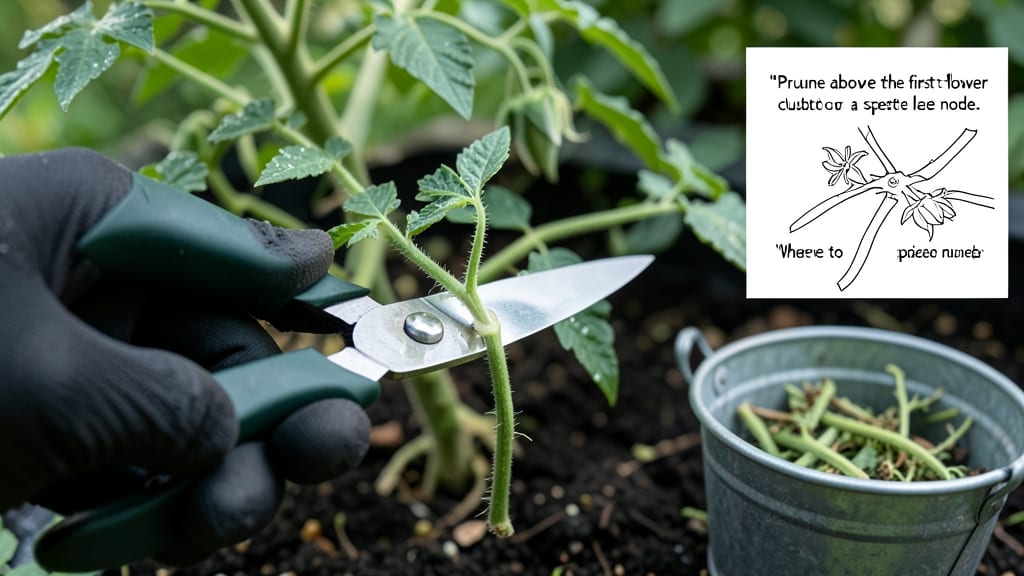
Topping tomato plants at the right time boosts your harvest by redirecting energy from leaves to fruit 🍅 — and missing this window means smaller yields or even stunted growth.
Picture this: you’ve nurtured your tomato plants all spring, only to watch them put out endless foliage instead of the juicy tomatoes you planted for. That’s the cost of pruning too late—or not at all.
The key is acting when the plant is still young but vigorous, before it commits to flowering.
In USDA Zone 6a, that usually means late spring, just as your April-May seedlings hit 2-3 feet tall. But timing varies by variety—indeterminate types (like beefsteaks) need more aggressive topping, while determinate (like Roma) often don’t require it.
Below, I’ll break down the exact stages to watch for, plus how to do it without stressing your plants.
You’ll learn how to spot the perfect moment to pinch, the tools you’ll need, and—just as important—when to stop topping to avoid weakening your vines. No guesswork, just a clear, step-by-step guide to turn your tomato patch into a fruit factory.
Optimal tomato topping times by growth stage (indeterminate vs determinate)
Topping tomato plants at the right time boosts fruit production and plant health, but timing varies dramatically between indeterminate and determinate varieties. Indeterminate tomatoes—like Sungold cherries—keep growing until frost, while determinate types (e.g., Roma) set all fruit at once.
Mastering the difference ensures you don’t stunt growth or invite pests.
For indeterminate tomatoes, the key is pinching when plants hit 4-5 feet tall or when they start flowering. This redirects energy to fruit production. Determinate varieties, however, rarely need topping—just remove suckers (side shoots) to improve airflow. Weather also plays a role: hot, dry spells slow growth, delaying topping.
Here’s your visual cheat sheet for topping timing, broken down by variety and growth stage:
Indeterminate tomatoes thrive when topped before flowering to encourage a stronger main stem. Look for 4–5 main leaves between pinches—this balances growth and fruit load. For example, Brandywine varieties benefit from early topping to prevent sprawling vines that shade lower fruit.
Determinate tomatoes, like Celebrity or Better Boy, rarely need heavy topping. Focus on removing suckers (the shoots between the main stem and branches) to improve air circulation. Over-topping determinate types can reduce yield since they set fruit all at once.
Weather conditions shift timing: Cool springs delay growth, so wait until plants hit 3–4 feet before topping. In hot climates, pinch earlier to avoid heat stress. Always top in the morning when plants are dry to prevent disease entry through fresh cuts.
Identify the perfect topping moment by checking for new flower clusters. If you see buds forming, it’s time to pause topping. For cherry tomatoes, like Sweet 100, pinch just above the third leaf from the flower cluster to encourage bushier growth without overcrowding.
Over-topping risks weaker stems and smaller fruit, while under-topping leads to excess foliage and disease (e.g., blight). Strike a balance by monitoring plant vigor—healthy indeterminate vines should have 2–3 main stems after topping.
Pro tip: Use a sharp pruning shears to avoid crushing stems. Dip tools in rubbing alcohol between cuts to prevent bacterial spread. For container-grown tomatoes, top more aggressively since space is limited.
🌱
Step-by-step guide to topping tomato plants for maximum yield
Topping tomato plants is one of the most effective ways to boost fruit production, but timing and technique matter. For indeterminate varieties like cherry tomatoes or beefsteak, topping redirects energy toward fruit instead of excessive foliage.
The key is to start when plants reach 18-24 inches tall and have 4-5 main stems. This ensures your plant stays strong while producing larger, healthier tomatoes.
Before you begin, gather your tools: a pair of sterilized pruning shears, rubbing alcohol (to clean tools between cuts), and garden gloves (to protect from thorns). Sterilization is critical—it prevents disease spread like early blight, which thrives in open wounds.
Work on a dry, sunny morning when the plant’s cell sap is low, reducing stress.
Now, let’s dive into the process. The goal is to remove the top set of leaves just above a flower cluster or leaf node. This encourages the plant to focus energy downward, where fruit is already forming.
Step-by-Step Tomato Topping Guide
- 1 Identify the main stem: Locate the central leader (the thickest vertical stem) and the lateral branches (suckers).
- 2 Pinch suckers early: Remove suckers smaller than a pencil (they’re easier to pull by hand). For cherry tomatoes, leave 2-3 suckers per stem; for beefsteak/Roma, remove all but the strongest.
- 3 Top the main stem: Cut 1/4 inch above a leaf node (where leaves grow) or flower cluster. Avoid leaving stubs—this prevents rot or disease.
- 4 Repeat weekly: Check plants every 7-10 days during peak growth (June-August). Focus on indeterminate varieties—determinate tomatoes (like Roma) rarely need topping.
- 5 Stop 4-6 weeks before frost: Late-season topping stresses plants. Instead, harvest all ripe fruit and let the plant focus on mature tomatoes already on the vine.
For cherry tomatoes, like Sungold or Sweet 100, you can be more aggressive with pruning—these varieties thrive with 3-4 main stems and frequent topping. In contrast, heirloom beefsteaks or Roma benefit from minimal topping; over-pruning can reduce fruit size.
Always prioritize airflow to prevent blossom end rot or fungal diseases.
Avoid these common mistakes: topping too early (before 4-5 stems form), using dull tools (which crush stems), or removing too much foliage at once (which shocks the plant). If you notice yellowing leaves or stunted growth after pruning, you’ve likely overdone it.
In that case, reduce future pruning and focus on watering deeply and fertilizing lightly with potassium-rich compost.
With the right technique, topping can increase your yield by 30-50%. The key is consistency—stay vigilant, and your tomato plants will reward you with vibrant, flavorful fruit all season long. 🌱✂️🍅