
Plants
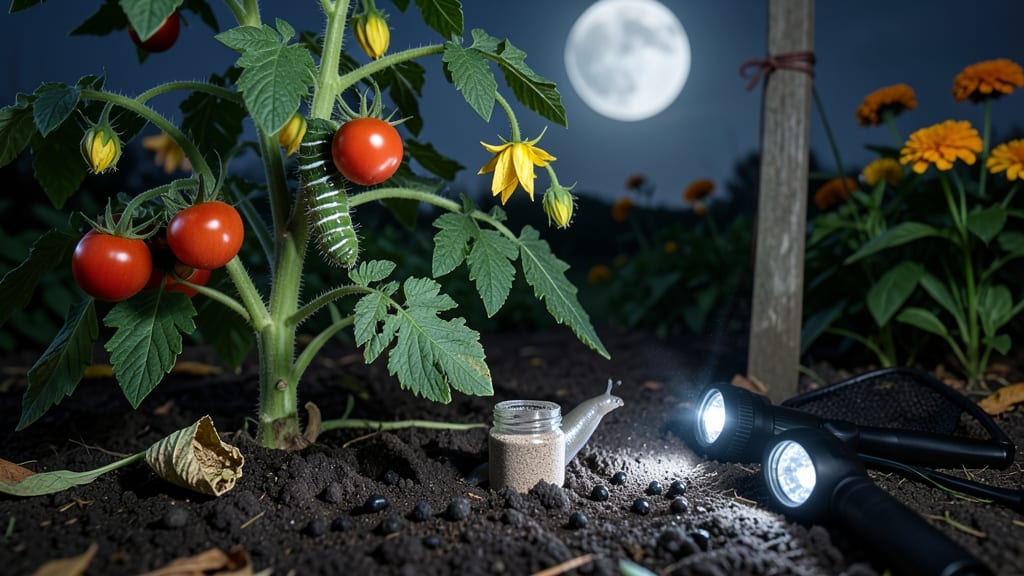
Your tomato plants are sending up a midnight SOS—what is eating my tomato plants at night? The culprits are sneaky: slugs leaving silvery trails, cutworms creating ragged holes, or even raccoons treating your garden like an all-you-can-eat buffet.
I've lost entire vines to these nocturnal raiders, but I've also stopped them in their tracks with simple tricks. The damage tells the story: chewed leaves with smooth edges (slugs), plants severed at the stem (cutworms), or entire plants uprooted (deer/raccoons).
Most people wait until morning to notice—by then, the pests have vanished. The key is early detection: check plants at dusk or set out beer traps to catch slugs before they multiply.
You'll reclaim your garden with organic barriers (diatomaceous earth, copper tape) and smart timing (handpicking cutworms at night with a flashlight). I've saved entire seasons using these methods, and your tomatoes will thank you with heavier fruit and fewer surprises. Works for backyard gardens, containers, and even urban plots.
Let's turn your garden back into a daytime-only zone!
Nocturnal Plant Predators Explained
If your tomato plants are showing up with mysterious bite marks, chewed leaves, or missing fruit after dark, you’re not dealing with a random act of nature—there’s a very deliberate reason behind it.
Tomato plants are a buffet for hungry critters that prefer the cover of darkness, and understanding why they strike at night can help you outsmart them. Let’s break down the science—and the sneaky strategies—behind these midnight raids.
Many garden pests are nocturnal by nature, meaning they’re biologically wired to hunt under the cover of darkness. Why? Because:
- ⚡ Less competition: Fewer predators (like birds or humans) are active at night, so pests can feed freely without risk.
- 🌡️ Cooler temperatures: Many insects, like slugs and cutworms, avoid daytime heat. Their bodies lose moisture quickly in sunlight, so they wait for the night to become active.
- 🌙 Reduced visibility: Dark conditions make it harder for plants to detect damage quickly, giving pests more time to feast before you notice.
Tomatoes, with their sweet, juicy fruit and tender leaves, are a prime target. These pests aren’t just random—they’re following an evolutionary survival plan that’s been perfected over thousands of years.
Tomato plants emit volatile organic compounds (VOCs)—essentially, chemical signals—that act like a dinner bell to hungry pests. For example:
- 🍅 Damaged leaves release linolenic acid: When a tomato plant is stressed (from drought, overwatering, or even just growing), it releases this fatty acid. Slugs and beetles love the scent and are drawn to it like a moth to a flame.
- 🌿 High sugar content in ripe fruit: As tomatoes ripen, their sugar levels spike, making them irresistible to fruit flies, raccoons, and even deer. These pests have olfactory receptors tuned to detect these sugars from yards away.
- 🌙 Moonlight triggers feeding: Some insects, like tomato hornworms, are more active during full moons because the extra light mimics twilight conditions, tricking them into thinking it’s dawn or dusk—optimal feeding times.
Pro Tip: 💡 If your plants are suddenly under siege, check for stress signs (wilting, yellowing leaves, or stunted growth). Reducing stress—through proper watering, mulching, or pruning—can dramatically cut down on the chemical signals attracting pests.
Nighttime attacks aren’t random—they’re often tied to specific weather patterns and microclimates in your garden. Here’s how conditions play a role:
| Condition | How It Attracts Pests | Example Pests |
|---|---|---|
| 🌧️ Humid Nights | High moisture keeps slugs, snails, and cutworms hydrated and active. Their slimy trails and soft bodies thrive in damp conditions. | Slugs, Earwigs, Cutworms |
| 🌬️ Still, Windless Air | Without wind, pests like tomato fruitworms and beetles can glide directly to your plants using pheromone trails. | Colorado Potato Beetles, Fruit Flies |
| 🌑 Cloudy or Moonlit Nights | Less moonlight means higher predator avoidance for pests. Raccoons and opossums, for instance, hunt more aggressively when it’s dark. | Raccoons, Opossums, Deer |
| 🌡️ Temperature Drops After Sunset | Many insects become lethargic in heat but revive as temps drop. This is why you might see explosive damage overnight. | Tomato Hornworms, Armyworms |
Actionable Fix: ⏰ Monitor your local weather forecast. If humidity spikes or winds die down the night before, be prepared with physical barriers (like row covers) or natural repellents (like diatomaceous earth).
Some pests don’t just hunt alone—they coordinate their attacks based on population density and food availability. Here’s how:
- 🐛 Pheromone trails: Insects like tomato pinworms release pheromones to signal others that a food source (your tomatoes!) is nearby. Once a few find your garden, they recruit the whole colony within hours.
- 🦋 Mating season triggers: During peak breeding times (like late summer), pests are more aggressive because they need energy to reproduce. A single female tomato hornworm can lay 2,000 eggs in a season—imagine the chaos!
- 🍽️ Overripe fruit magnets: If one raccoon or possum finds your garden, it will return night after night until the food runs out. Their spatial memory is excellent, and they’ll even teach other animals where to find your tomatoes.
Smart Strategy: 🎯 If you spot one sign of damage, act immediately. Waiting until the problem spreads means dealing with a full-blown infestation. Remove damaged fruit and disrupt pheromone trails by disturbing the soil or using citrus peels (which mask the scent).
Quick Fixes for Nocturnal Tomato Thieves
Discovering half-eaten tomato leaves—or worse, missing plants—can be frustrating, but the good news is that most nocturnal pests have predictable habits. Below are practical, step-by-step solutions tailored to each culprit, plus prevention tips to keep your garden safe after dark.
Whether you're dealing with hungry critters or sneaky insects, these fixes will help you reclaim your tomato patch.
If large mammals are the culprits, physical barriers are your best defense. Deer and rabbits are opportunistic grazers, so they’ll stop at nothing—but you can outsmart them with these tricks:
🔥 Build a Sturdy Fence (The Gold Standard)
- Materials: Use 8-foot tall fencing (deer can jump 6+ feet) or chicken wire (for rabbits, bury it 12 inches deep to block digging).
- Pro Tip: 💡 Slant the top outward at a 30-degree angle—deer dislike climbing angled surfaces.
- Budget Hack: Repurpose old pallets or wire mesh if commercial fencing isn’t an option.
🥘 Natural Repellents (Non-Toxic Options)
- Spray-on deterrents: Mix rotten eggs, garlic, or hot pepper with water and spray around the perimeter (reapply after rain).
- Plant companions: Surround tomatoes with marigolds, rosemary, or sage—their strong scents confuse herbivores.
- Decoys: Place fake predators (owls, snakes, or even old CDs hung from strings) to scare them off.
⏰ Nighttime Patrols (Last Resort)
- If fencing isn’t possible, scare them with motion-activated lights or a radio playing loudly at dusk.
These slimy invaders leave telltale silver slime trails and chewed leaves with smooth edges. Here’s how to evict them for good:
🍳 Beer Traps (The Classic)
- How to set it up: Bury a shallow dish (like a yogurt cup) filled with beer so the rim is flush with the soil. Slugs crawl in and drown.
- Pro Tip: 🌡️ Use warm beer—it attracts them faster than cold.
🔪 Copper Barriers (Electric Shock for Snails)
- Why it works: Copper emits a mild electric charge when slugs touch it, deterring them.
- DIY version: Wrap copper tape around pots or create a ring around plants.
🌞 Daytime Hunting (Manual Removal)
- When to strike: Early morning or after rain (they’re slow and visible).
- Tool of choice: A damp newspaper rolled up—slugs will crawl onto it, and you can dispose of them easily.
🎯 Prevention: Dry Conditions
- Mulch with coarse materials (gravel, pine needles) to reduce humidity, which slugs love.
These green caterpillars with white stripes can devour a plant in hours. Fortunately, they’re easy to spot—and even easier to remove.
👨🍳 Manual Removal (Best Method)
- When: Early morning or evening (they’re sluggish then).
- How: Look under leaves for large, plump worms and drop them in soapy water.
- Bonus: Check for black parasitic wasp cocoons (🌟 sign of nature’s pest control—leave these alone!).
🔪 Biological Control: Braconid Wasps
- How it works: Tiny wasps lay eggs in hornworms, killing them naturally.
- Encourage them: Plant dill, fennel, or parsley nearby to attract beneficial insects.
🌱 Crop Rotation and Row Covers
- Rotate crops yearly to disrupt their life cycle.
- Use floating row covers early in the season to block moths (their adult form) from laying eggs.
These camouflaged caterpillars cut stems at night, toppling plants. They’re sneaky but beatable.
🔥 DIY Collars (Best Prevention)
- Materials: Cardboard, aluminum foil, or plastic sleeves.
- How to apply: Wrap tightly around stems 1-2 inches above soil to block cutworms from climbing.
- Pro Tip: 💡 Use a sharp knife to cut a slit in the collar—this prevents moisture buildup that can rot stems.
🍳 Trap Crops (Lure and Destroy)
- Plant a "sacrificial" crop like wheat or oats nearby. Cutworms will migrate there—remove and dispose of them daily.
🌙 Nighttime Staking
- Check plants at dusk with a flashlight. If you see small, brown caterpillars, handpick and drop them in soapy water.
While frogs and toads eat pests, they can also munch on small tomato fruits or seedlings. Here’s how to manage them:
🦎 Create a Frog Habitat Elsewhere
- Set up a small pond or shallow dish filled with water far from your tomato plants to attract them away.
🌿 Encourage Natural Predators
- Birds and lizards love frogs. Install birdhouses or bat boxes to bring in more helpers.
🔪 Physical Barriers (For Seedlings)
- Use fine mesh or hardware cloth around young plants until they’re established.
No matter the culprit, these proactive steps will make your tomato plants less appealing:
- ✨ Water in the morning—wet foliage at night attracts slugs and pests.
- 🌡️ Keep the garden tidy—remove debris where pests hide.
- 🎯 Interplant with repellents—basil, onions, and thyme deter many pests.
- 🌱 Use neem oil spray (early evening) as a general deterrent (reapply after rain).
- 🕵️ Inspect plants daily—early detection = easier fixes!
With these strategies, your tomato plants will stand a fighting chance against nighttime raiders. Test a few methods, monitor what works, and adjust as needed—your harvest will thank you!
Frequently asked questions
What are the most common signs that slugs are eating my tomato plants at night?
Look for irregular holes with smooth edges on leaves and silver slime trails on surfaces. Slugs leave behind a shiny, mucus-like trail as they move, and their feeding patterns create distinctive ragged edges rather than clean cuts. Check under leaves and near the soil where they hide during the day.
How can I tell if raccoons are the culprits instead of insects?
Raccoons typically create large, messy damage—they’ll uproot entire plants, scatter fruit, and sometimes even dig around the base. Look for claw marks on stems and droppings near your garden. Unlike insects, raccoons leave behind obvious signs of their presence, like knocked-over cages or disturbed mulch.
Are there any safe, organic ways to deter cutworms from my tomato plants?
Yes! Use DIY collars made from cardboard or aluminum foil wrapped around stems to block cutworms from climbing. You can also try trap crops like wheat or oats planted nearby—cutworms will migrate there instead. For a natural repellent, sprinkle diatomaceous earth around the base of plants (reapply after rain).
Why do tomato hornworms seem to appear suddenly and then disappear just as quickly?
Tomato hornworms grow extremely fast—they can go from tiny caterpillars to 4-inch monsters in just 10-14 days. They’re also nocturnal, so you might not see them during the day. Their sudden appearance is often followed by their equally sudden disappearance as they pupate or get eaten by birds. Check plants at dusk with a flashlight to catch them in action.
Will coffee grounds really help keep pests away from my tomato plants?
Yes, but with a caveat! Fresh coffee grounds can repel slugs, snails, and some insects due to their strong smell and acidity. However, they should be used sparingly—too much can alter soil pH. Sprinkle a thin layer around plants (not directly on them) and water lightly to activate the scent. Reapply every few days or after rain for best results.