
How To
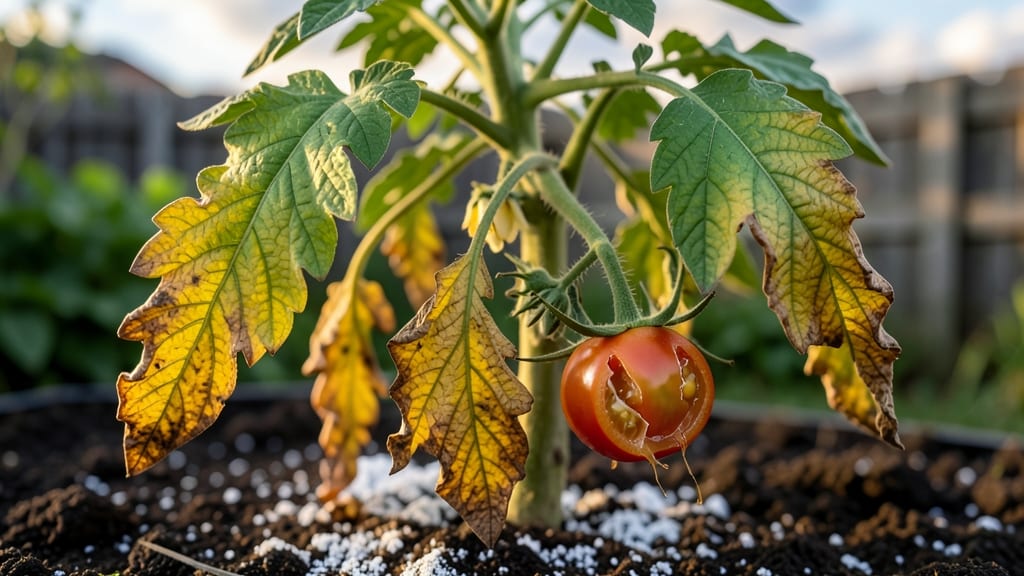
Tomato wilt can turn your thriving plants into sad, drooping sticks in days—unless you catch it early. 🌿 The most common causes are fungal diseases like Fusarium or Verticillium wilt, bacterial infections, or environmental stress from overwatering, drought, or heat.
I’ve seen my own plants go from lush to limp overnight, but knowing the signs saves them every time.
Fungal wilts start with yellowing leaves that curl downward, then spread upward while the veins stay green. Bacterial wilt causes sudden collapse with no wilting—just a plant that looks like it’s been drained of life.
Environmental stress shows up as wilting that improves at night or after watering. The key is acting fast before the disease spreads.
You can often save your plants with pruning infected stems, improving airflow, and watering consistently at the base. For fungal wilts, resistant varieties and crop rotation are your best defenses. I’ve pulled plants back from the brink using these tricks—your tomatoes can too.
Early detection is everything. Check your plants weekly for these signs, and you’ll catch problems before they ruin your harvest. The right fixes turn wilting plants into productive ones in just a few weeks—no guesswork needed.
The Hidden Triggers Behind Wilting
Tomato plants are resilient, but when they start wilting, it’s usually a cry for help from one (or more) of these common culprits. Understanding the root causes—literally and figuratively—lets you act fast and save your harvest. Here’s why your tomatoes might be throwing in the towel before their time.
Fungal diseases like Fusarium wilt, Verticillium wilt, and early blight are sneaky invaders that disrupt your tomato’s vascular system—the plant’s plumbing. These fungi block water and nutrient flow, causing leaves to droop, yellow, or crisp at the edges.
- Fusarium & Verticillium wilt: Soilborne fungi that thrive in warm, moist conditions. They produce toxins that clog xylem vessels (the plant’s "veins"), cutting off water supply. Symptom: Wilting starts in one branch and spreads upward, often with yellowing leaves that stay attached even when wilted.
- Early blight: A fungal infection that attacks leaves and stems, creating dark, concentric rings. It weakens the plant’s structure, making wilting worse during heatwaves.
💡 Pro Tip: If you suspect fungal wilt, do not compost infected plants—burn or bag them to prevent soil contamination. Rotate crops and use resistant tomato varieties (e.g., 'Mountain Merit' for Fusarium resistance).
Bacteria like Pseudomonas syringae (cause of bacterial wilt) or Ralstonia solanacearum (bacterial brown rot) multiply rapidly in warm, humid conditions. They produce toxins that disrupt cell function, leading to sudden wilting—often within 24–48 hours.
- Bacterial wilt: Bacteria enter through wounds (e.g., pruning cuts) or natural openings (stomata). They clog the plant’s xylem, causing irreversible wilting—even if you water the plant, it won’t perk up.
- Symptoms: Leaves wilt first thing in the morning (unlike heat stress, which worsens midday) and may ooze a brown, slimy liquid when cut open.
🔥 Warning: Bacterial wilts are untreatable. Remove infected plants immediately and disinfect tools with 70% rubbing alcohol or bleach solution (1 part bleach to 9 parts water). Avoid overhead watering to reduce bacterial spread.
Tomatoes need consistent moisture, but too much water suffocates roots by cutting off oxygen. This leads to root rot, caused by fungi like Phytophthora or Pythium, which thrive in soggy soil.
- How it happens:
- Poor drainage (clay soil, compacted beds, or containers without drainage holes).
- Overwatering without checking soil moisture (stick your finger 2 inches deep—if it’s damp, wait to water).
- Frequent heavy rains or irrigation that keeps roots waterlogged.
- Symptoms: Wilting despite wet soil, black or mushy roots, and a foul odor. Leaves may yellow and drop.
🌡️ Fix It Fast:
- Stop watering immediately and let soil dry slightly between waterings.
- Improve drainage by amending soil with compost or perlite.
- For container plants, ensure pots have drainage holes and elevate them slightly.
Tomatoes are tropical plants, but prolonged heat above 90°F (32°C) causes physiological wilting. High temperatures increase water loss through transpiration faster than roots can absorb water, leading to temporary wilting—especially during midday heat.
- Key signs:
- Wilting peaks at noon but recovers by evening.
- Leaves may curl or scorch (brown edges).
- Fruit may blossom end rot (black, sunken spots) due to uneven water uptake.
- Why it’s temporary: Unlike disease, heat stress doesn’t kill the plant—it’s just thirsty and overheated.
🎯 Quick Relief:
- Provide shade cloth (30–50%) during peak sun hours.
- Water deeply in the early morning to cool roots and soil.
- Avoid mulching with thick layers—opt for straw or grass clippings to allow airflow.
Tomatoes are heavy feeders, and a lack of key nutrients weakens their structure, making wilting more likely. The most critical deficiencies linked to wilting are:
| Nutrient | Deficiency Signs | How to Fix |
|---|---|---|
| Potassium (K) | Yellowing leaf edges ("scorch"), weak stems, wilting under stress. | Apply potassium-rich fertilizer (e.g., banana peel tea or greensand). |
| Calcium (Ca) | Wilting with blossom end rot (black, rotting fruit ends). | Use crushed eggshells or lime (follow package rates). |
| Magnesium (Mg) | Yellowing between leaf veins (interveinal chlorosis), weak stems. | Apply Epsom salt (magnesium sulfate)—1 tbsp per gallon of water, sprayed on leaves. |
💡 Soil Test First: Before fertilizing, test your soil’s pH and nutrient levels. Tomatoes prefer pH 6.0–6.8. If levels are off, amend with compost or balanced fertilizer (10-10-10 or 5-10-10).
🚨 When to Worry: If wilting is sudden, irreversible, or spreads rapidly, it’s likely a disease. For heat stress or nutrient issues, plants often recover with adjustments. Always check roots and leaves for clues!
Fixing Wilting Tomatoes Fast
A drooping tomato plant doesn’t mean game over—most wilting issues have quick fixes if you catch them early. Below, we’ll map the most common causes to step-by-step solutions, plus proactive tips to keep your plants thriving. Grab your gloves and let’s revive those vines! 🌱💦
---
Fix it: 1. Remove infected leaves immediately 🔪 - Snip off yellowing or spotted leaves with clean scissors (don’t compost them—dispose in a sealed bag). - Focus on lower leaves first, as they’re often the first to show signs.
2. Apply a copper-based fungicide 🛡️ - Spray early in the morning (avoid evenings to prevent fungal growth overnight). - Reapply every 7–10 days or after rain. Organic options: Copper soap or neem oil.
3. Improve airflow 🌬️ - Prune crowded branches and space plants 18–24 inches apart. - Use stakes or cages to keep plants upright and reduce humidity near the soil.
4. Sterilize tools and soil 🧼 - Clean pruners with rubbing alcohol between cuts. - Replace contaminated mulch and avoid overhead watering.
Prevent it: - Rotate crops: Don’t plant tomatoes in the same spot for 3–4 years. - Plant resistant varieties: Look for labels like “Fusarium-resistant” or “Early Blight-tolerant.” - Water at the base 💧 (never the leaves) to keep foliage dry.
---
Fix it: 1. Check the soil moisture 🌡️ - Stick your finger 1–2 inches deep—if it’s soggy, hold off on watering. - Wilting from overwatering often happens early in the day (underwatering causes afternoon wilting).
2. Adjust your watering routine 📅 - Deep water 1–2 times per week (1–1.5 inches total) instead of daily shallow drinks. - Use a moisture meter or the “squeeze test”: Gently press soil—if it crumbles, it’s dry enough.
3. Fix drainage issues 🏗️ - If pots have no drainage holes, add perlite or sand to the soil mix. - For garden beds, amend clay soil with compost or coarse sand.
4. Fluff the roots 🌿 - Gently loosen compacted soil around the base to help roots breathe.
Prevent it: - Use raised beds or containers if your soil drains poorly. - Mulch heavily (2–3 inches of straw or wood chips) to retain even moisture without soggy roots. - Water in the morning so foliage dries by night.
---
Fix it: 1. Provide afternoon shade 🌳 - Use shade cloth (30–50%) or temporary row covers from 12–4 PM in extreme heat. - Move potted tomatoes to a shadier spot temporarily.
2. Hydrate deeply 💦 - Water slowly at the base (10–15 minutes) to cool roots. - Add ice cubes to the soil around the stem for a quick cooldown (works in emergencies!).
3. Mist leaves (carefully) 🌧️ - Lightly mist only the undersides of leaves in the early morning to reduce heat loss overnight. - Avoid wetting leaves if fungal diseases are a risk.
Prevent it: - Choose heat-tolerant varieties: ‘Solar Fire’, ‘Heatmaster’, or ‘Celebrity’ tomatoes handle heat better. - Plant in late spring (after the last frost but before peak summer). - Use reflective mulch (like white plastic) to deflect sunlight from the soil.
---
Fix it: 1. Blast pests off with water 🚿 - Spray leaves with a strong stream of water to dislodge aphids or spider mites. - Repeat every 2–3 days for severe infestations.
2. Introduce beneficial insects 🐞 - Release ladybugs, lacewings, or predatory mites (available at garden centers). - Plant marigolds or basil nearby to attract natural predators.
3. Treat nematodes in the soil 🌱 - Solarize the bed: Cover with clear plastic for 4–6 weeks in hot sun to kill nematodes. - Add compost or organic matter to improve soil health long-term.
Prevent it: - Inspect new plants before transplanting (check undersides of leaves!). - Avoid over-fertilizing with nitrogen (weakens plants, making them pest magnets). - Rotate crops to disrupt nematode life cycles.
---
Fix it: 1. Test your soil 📊 - Use a DIY soil test kit (or send a sample to a local extension office). - Common fixes: - Calcium deficiency (Blossom End Rot): Sprinkle crushed eggshells or use calcium nitrate. - Magnesium deficiency (yellow leaves between veins): Apply Epsom salt (1 tbsp per gallon of water, spray leaves).
2. Fertilize correctly 🌿 - Switch to a balanced fertilizer (10-10-10 or 5-5-5) if you’ve been overusing nitrogen. - Side-dress with compost or worm castings mid-season for a slow-release boost.
3. Adjust pH if needed 🔄 - Tomatoes prefer pH 6.0–6.8. Add lime to raise pH or sulfur to lower it.
Prevent it: - Feed regularly: Apply a low-dose fertilizer every 2–3 weeks once fruits form. - Mulch with compost to slowly release nutrients. - Avoid overwatering, which leaches nutrients from the soil.
--- - Revive wilted plants fast: Trim 1/3 of the plant to reduce stress and redirect energy to roots. - Morning care > evening care: Always prune, fertilize, or water before 10 AM to prevent nighttime fungal growth. - Keep a plant journal: Note symptoms, fixes, and weather patterns to spot trends next season.
Frequently asked questions
Why do my tomato leaves wilt in the morning but recover by afternoon?
This is likely heat stress or bacterial wilt. Heat stress causes temporary wilting that improves as temperatures drop, while bacterial wilt (like Pseudomonas) creates irreversible damage. Check for slimy stems—if present, remove the plant immediately. For heat stress, provide afternoon shade and water deeply in the morning.
Can I save a tomato plant with fungal wilt like Fusarium?
Unfortunately, Fusarium and Verticillium wilts are usually fatal once symptoms appear. The fungi clog the plant's vascular system permanently. Your best options are: prune severely infected stems to slow spread, sterilize tools with rubbing alcohol, and plant resistant varieties like 'Mountain Merit' next season. Remove infected plants from your garden.
How can I tell if wilting is from overwatering vs. underwatering?
Check the soil moisture: Overwatering causes wilting with soggy soil, black/mushy roots, and a foul odor. Underwatering happens with dry, crumbly soil and wilting that worsens midday. For overwatering, let soil dry slightly between waterings; for underwatering, water deeply 1-2 times per week (1-1.5 inches total).
Will pruning help a wilting tomato plant recover?
Yes! Pruning 1/3 of the plant reduces stress and redirects energy to roots. Remove yellow or diseased leaves first, then cut back any crowded branches. Always use sterilized scissors and prune in the morning. This works best for heat stress, nutrient deficiencies, or mild fungal infections—but won't save plants with bacterial wilt or advanced fungal wilts.