
Companion Plants
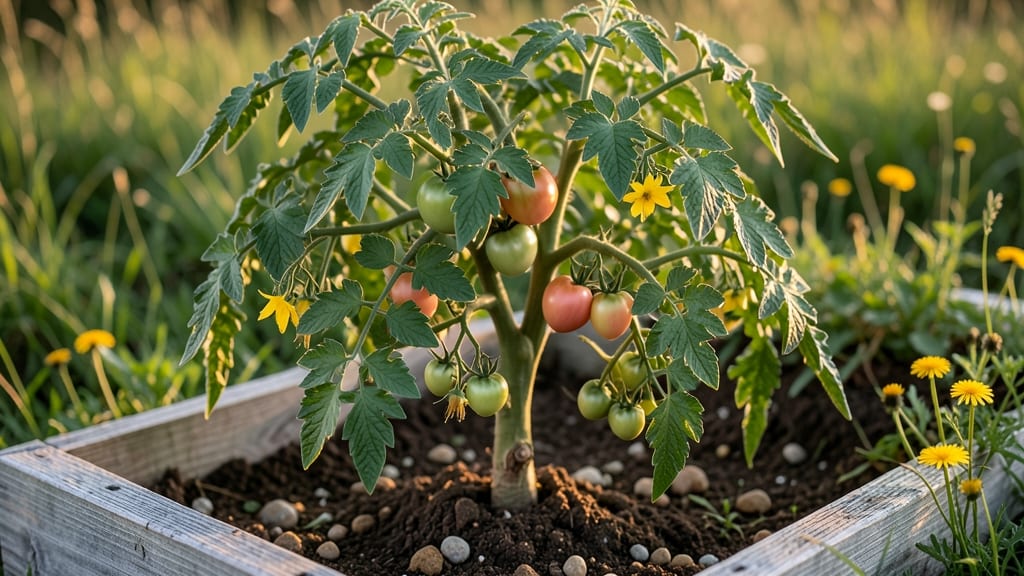
Looking for types of tomato plants with pictures? The 10 most popular varieties include determinate (bush) types like Roma and Celebrity, plus vining indeterminate varieties such as Cherry and Beefsteak, each offering unique flavors and growing requirements.
Tomato plants come in two main growth categories: determinate (compact) and indeterminate (vining), each with distinct advantages.
Determinate varieties like Roma produce fruit all at once, perfect for canning, while indeterminate types like Sungold continue producing all season. 🌱 The visual differences are striking—determinate plants stay bushy and manageable, while indeterminate ones climb and sprawl, often needing trellises.
This variety means you can choose based on space, climate, and whether you prefer a steady harvest or a big all-at-once yield.
For visual identification, focus on fruit shape and plant structure: Roma tomatoes are plump and oval with deep red skins, while Cherry tomatoes are small and round with vibrant colors. Beefsteak varieties produce massive, meaty fruits perfect for sandwiches, while heirlooms like Brandywine offer stunning striped patterns and complex flavors.
Each type thrives in different conditions—some need full sun and heat, while others tolerate cooler climates better.
💡 In This Article
- Determinate vs Indeterminate Tomato Plants: Key Differences
- Visual Guide to 10 Popular Tomato Varieties and Their Best Uses
Determinate vs indeterminate tomato plants: key differences
The fundamental difference between determinate and indeterminate tomato plants lies in their growth patterns and fruit production cycles. Determinate varieties grow in compact, bush-like shapes and produce fruit all at once during a 6-8 week window after flowering.
This makes them ideal for gardeners who prefer a single, abundant harvest—think of them as the "all-in-one" producers. Their growth typically stops at 3-5 feet tall, making them perfect for containers or small spaces.
Indeterminate tomatoes, on the other hand, grow continuously throughout the season, producing fruit from early summer until frost. These plants can reach heights of 6-12 feet or more, requiring sturdy trellises or cages to support their sprawling vines. The key advantage?
A steady supply of tomatoes over months, rather than a single harvest. For example, Sungold cherry tomatoes on indeterminate plants will keep producing until temperatures drop below 50°F, while determinate varieties like Early Girl stop bearing fruit after their initial flush.
Pruning needs also differ dramatically. Determinate plants rarely require pruning—they naturally form a balanced shape. In contrast, indeterminate varieties benefit from regular pruning to remove suckers (side shoots) and improve air circulation, which reduces disease risk. The trade-off?
More maintenance for indeterminate types, but the reward is a prolonged harvest season that can last 3-4 months in warm climates. 🌿 This makes them ideal for gardeners who want fresh tomatoes straight from the vine all summer long.
Climate plays a crucial role in which type thrives. Determinate varieties often handle cooler temperatures better, making them suitable for shorter growing seasons. Indeterminate types, however, require consistent warmth and longer seasons to reach their full potential.
For instance, Beefsteak tomatoes (indeterminate) need at least 90 days of warm weather to produce their signature large, meaty fruits, while determinate Celebrity tomatoes mature in just 65-70 days, perfect for northern gardens.
Yield characteristics also vary. Determinate plants typically produce 20-30 pounds of tomatoes in one go, while indeterminate varieties may yield 30-50 pounds over the season—but spread out. This makes determinate types better for canning or preserving, while indeterminate varieties excel for fresh eating or continuous snacking.
The choice often comes down to whether you prefer a big harvest at once or a steady stream of tomatoes all season.
Visual identification is another key difference. Determinate plants have a neat, bushy appearance with fruit clusters forming near the top of the plant. Indeterminate varieties grow upward with fruit appearing along the main stem and branches.
This structural difference affects how you'll need to manage them—determinate plants stay contained, while indeterminate ones need vertical support to prevent sprawling and disease.
For gardeners with limited space, determinate varieties are the clear winner. But if you have room to grow vertically and want tomatoes from early summer until fall, indeterminate types offer unmatched productivity. The choice ultimately depends on your garden layout, climate, and how you plan to use your harvest. 🌱