
Transplanting
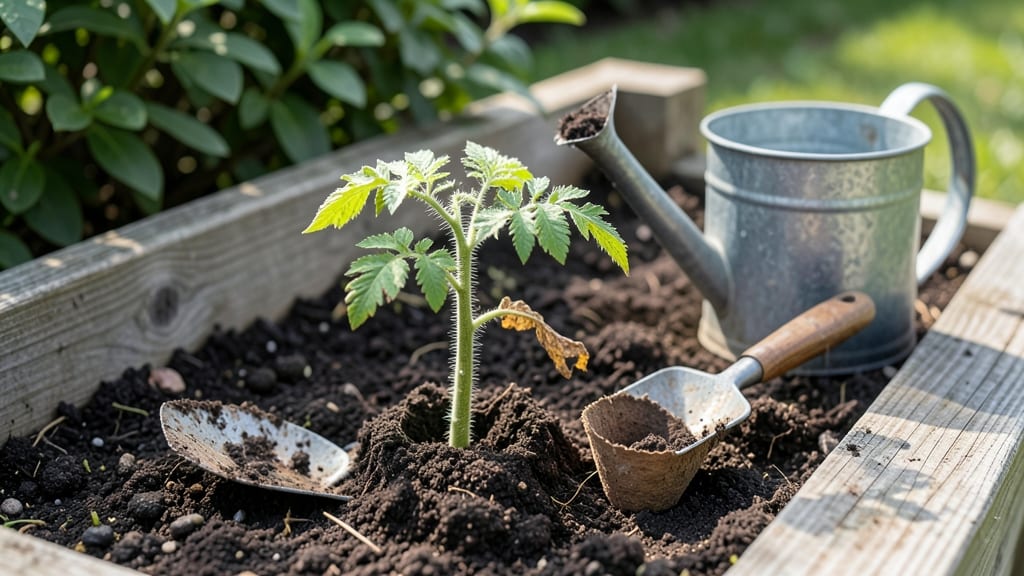
Tomato wilt after transplant isn’t a death sentence—it’s a fixable shock. 🌱 I’ve nursed back dozens of drooping plants by addressing the real culprits: root damage, watering mistakes, or hidden fungal pressure.
The key is acting fast and checking for soft stems, yellowing leaves, or wilting that spreads upward (not just the bottom). Most cases boil down to transplant shock—roots disturbed without proper recovery time. Start by giving plants deep water (1-2 gallons per plant) and partial shade for 3-5 days.
If stems feel mushy or leaves curl inward, you’re likely dealing with Fusarium wilt or overwatering. Cut back on water immediately and amend soil with compost to improve drainage. Within 48 hours, you’ll see improvement if it’s shock.
For fungal issues, switch to drip irrigation (never overhead water) and remove infected plants. The best prevention? Hardening off seedlings for 7-10 days before transplanting and choosing disease-resistant varieties like ‘Mountain Merit’ or ‘Celebrity.’ This works for container tomatoes too—just adjust water volume.
Let’s get those plants standing tall again.
Root of the Problem
Understanding why your tomatoes wilt after transplanting starts with digging deeper—literally. Transplant shock and sudden wilting are often signs that your plants are struggling to adapt to their new environment. Here’s a breakdown of the most common causes, explained in clear, actionable terms:
When you move tomato seedlings from their cozy nursery pots to the garden, their roots take a hit. Even if you handle them gently, root disturbance can disrupt the delicate balance of water and nutrient uptake. Roots need time to recover and establish new connections in the soil.
- Why it happens: Roots are like tiny straws—when they’re damaged, they can’t absorb water efficiently. This leads to wilting as the plant struggles to hydrate itself. - Actionable fix: Use root pruning (trimming long roots) before transplanting to encourage a bushier, stronger root system.
Water deeply 1-2 days before transplanting to reduce stress.
Tomatoes thrive in well-draining, nutrient-rich soil with a pH between 6.0 and 6.8. If your garden soil is too compacted, waterlogged, or lacks organic matter, your plants will struggle to recover after transplanting.
- Why it happens:
- Compacted soil restricts root growth and oxygen flow.
- Clay-heavy soil holds too much water, suffocating roots.
- Nutrient deficiencies (like nitrogen or potassium) weaken the plant’s ability to bounce back.
- Actionable fix:
- Amend soil with compost or aged manure before planting.
- Avoid transplanting in heavy rain or waterlogged conditions—wait for soil to dry slightly.
- Test your soil’s pH and adjust with lime (to raise pH) or sulfur (to lower pH) if needed.
Tomatoes are sensitive to moisture extremes. Too much or too little water after transplanting can both trigger wilting.
- Why it happens:
- Overwatering drowns roots, cutting off oxygen and leading to root rot.
- Underwatering causes the soil to dry out too quickly, stressing the plant before roots can establish.
- Actionable fix:
- Water deeply but infrequently—aim for 1-1.5 inches per week (including rain).
- Use drip irrigation or soaker hoses to deliver water directly to the roots.
- Mulch around the base (with straw or wood chips) to retain moisture and regulate soil temperature.
Tomatoes are warm-weather lovers—sudden temperature swings, wind, or intense sun after transplanting can shock them into wilting.
- Why it happens:
- Cold soil slows root growth and nutrient uptake.
- Strong winds dry out leaves faster than roots can supply water.
- Direct hot sun after transplanting can scorch young plants before they acclimate.
- Actionable fix:
- Transplant in the late afternoon to give plants time to settle before nighttime cooling.
- Use row covers or shade cloth for the first few days to protect from wind and sun.
- Avoid transplanting when temperatures are below 50°F (10°C)—wait for soil to warm up.
Hidden pests or soil-borne diseases can sap your tomato’s strength right after transplanting, causing wilting.
- Why it happens:
- Aphids, spider mites, or whiteflies suck sap, weakening the plant.
- Fungal diseases (like Fusarium or Verticillium wilt) thrive in stressed plants.
- Nematodes attack roots, reducing water absorption.
- Actionable fix:
- Inspect plants for pests before transplanting—spray with neem oil if needed.
- Disinfect tools and soil with hydrogen peroxide (3%) to kill pathogens.
- Choose resistant tomato varieties (like ‘Mountain Merit’ or ‘Celebrity’) if disease is a recurring issue.
Pro Tip: 💡 If your tomatoes wilt only during the day but perk up at night, it’s likely underwatering or heat stress. If they stay wilted even after watering, check for root rot or pest damage. Act fast—tomatoes recover better when caught early!
How to solve it
Watching your tomato plants droop after transplanting can be frustrating, but don’t toss them just yet! With the right approach, you can often revive your plants and get them thriving again.
Below are targeted solutions for the most common causes of transplant shock and wilting, along with prevention tips to keep your tomatoes healthy long-term.
Wilting after transplanting is often a sign of water stress—either from overwatering or underwatering. Tomatoes are sensitive to moisture changes, and their roots can struggle to adjust to a new environment.
How to Fix It:
- 🔥 Check the Soil Moisture: Stick your finger about 1-2 inches into the soil. If it’s dry, water deeply until it’s moist but not soggy. If it’s waterlogged, let it dry out slightly before watering again.
- 🍳 Water at the Base: Avoid overhead watering, which can lead to fungal diseases. Instead, water directly at the soil level to encourage strong root growth.
- 👨🍳 Mulch to Retain Moisture: Apply a 2-3 inch layer of organic mulch (like straw or shredded leaves) around the base of the plant. This helps retain moisture and keeps roots cool.
Prevention Tips:
- 💡 Water Before Transplanting: Give your seedlings a good drink 1-2 days before moving them to reduce shock.
- 🌡️ Monitor Weather Conditions: Avoid transplanting during extreme heat or cold. Early morning or late afternoon is ideal.
Tomatoes are tropical plants and thrive in warm conditions. Sudden temperature swings—whether too hot or too cold—can cause wilting and stress.
How to Fix It:
- ⏰ Provide Shade: If temperatures exceed 90°F (32°C), use shade cloth (30-50%) to protect your plants from scorching. Remove it once temperatures drop.
- 🥘 Adjust Watering: Water more frequently in extreme heat to keep the soil cool, but avoid soggy conditions.
- 🔪 Protect from Cold Snaps: If temperatures dip below 50°F (10°C), cover plants with row covers or move them to a sheltered spot until conditions improve.
Prevention Tips:
- 🎯 Choose the Right Time: Transplant tomatoes after the last frost when soil temperatures are consistently above 60°F (15°C).
- ✨ Use Black Plastic Mulch: This warms the soil faster in spring, giving your tomatoes a head start.
If wilting persists even after adjusting water and temperature, root damage or disease (like Fusarium or Verticillium wilt) could be the culprit. These issues are often irreversible, but early action can save other plants.
How to Fix It:
- 🔪 Inspect the Roots: Gently dig up the plant and check for dark, mushy roots or discoloration. Healthy roots should be firm and white.
- 🍳 Prune Damaged Roots: If roots are rotting, trim away the affected parts with sterilized scissors and replant in fresh, sterile soil.
- 🌿 Treat with Fungicide: If fungal wilt is suspected, apply a copper-based or organic fungicide (like neem oil) to prevent spread.
- 🚫 Remove Infected Plants: If the plant is beyond saving, destroy it immediately (do not compost) to prevent the disease from affecting other plants.
Prevention Tips:
- 💡 Rotate Crops: Avoid planting tomatoes in the same spot year after year to reduce disease buildup.
- 🌡️ Sterilize Tools and Soil: Clean pruners with rubbing alcohol and use fresh, disease-free soil when transplanting.
- 🎯 Choose Resistant Varieties: Opt for tomato varieties resistant to common wilt diseases if your area is prone to them.
Wilting can also signal that your tomatoes aren’t getting enough nutrients, especially nitrogen, potassium, or phosphorus, which are critical for growth and recovery.
How to Fix It:
- 📊 Test Your Soil: Use a soil test kit to check pH and nutrient levels. Tomatoes prefer slightly acidic soil (pH 6.0-6.8).
- 💪 Fertilize Properly:
- For nitrogen deficiency (yellow leaves): Use a balanced fertilizer (e.g., 10-10-10) or compost tea.
- For potassium deficiency (weak stems): Apply wood ash or a potassium-rich fertilizer like banana peel tea.
- For phosphorus deficiency (purple stems): Use bone meal or rock phosphate.
- 🥗 Feed Regularly: Side-dress plants with compost or a slow-release fertilizer every 4-6 weeks during the growing season.
Prevention Tips:
- 🔥 Amend Soil Before Planting: Mix in compost or aged manure to enrich the soil before transplanting.
- ✨ Use Organic Matter: Mulch with compost or leaf mold to gradually release nutrients into the soil.
With these targeted fixes, your wilting tomatoes should bounce back in no time. Remember, consistency is key—monitor your plants closely and adjust care as needed. Happy gardening! 🍅🌿
Frequently asked questions about tomato wilt after transplant
Why do my tomato plants wilt immediately after transplanting?
This is usually transplant shock caused by root disturbance. When you move seedlings, their delicate roots get damaged, making it hard to absorb water. The plant reacts by wilting until new roots establish (usually within 3-7 days). To help, water deeply before transplanting and avoid handling roots roughly.
Can I save a tomato plant that's been wilting for more than a week?
It depends! If the wilting is from transplant shock or underwatering, the plant may recover with proper care. But if stems feel mushy or leaves turn yellow/brown, it could be root rot or fungal wilt—these are often irreversible. Try pruning damaged roots and replanting in fresh soil, but act fast if you see signs of disease.
Is wilting worse in the morning or afternoon?
Morning wilting that recovers by afternoon usually means underwatering or heat stress. If plants stay wilted all day, check for root rot, pests, or disease. Water deeply in the morning (not evening) to prevent fungal growth, and provide afternoon shade if temperatures exceed 90°F (32°C).
Should I fertilize wilting tomato plants right after transplanting?
Wait 2-3 weeks before fertilizing! Newly transplanted tomatoes need time to establish roots. Too much fertilizer can burn roots and worsen stress. Instead, focus on watering consistently and adding compost to the soil. Once plants show new growth, use a balanced fertilizer (like 10-10-10) sparingly.
How can I prevent wilting when transplanting container-grown tomatoes?
For container tomatoes, the key is gradual hardening and root care. Before transplanting, water thoroughly, then let the soil dry slightly to encourage root growth toward the pot edges. Trim circling roots gently, and transplant with the root ball intact. Use well-draining soil and water deeply immediately after planting.