
Vegetables
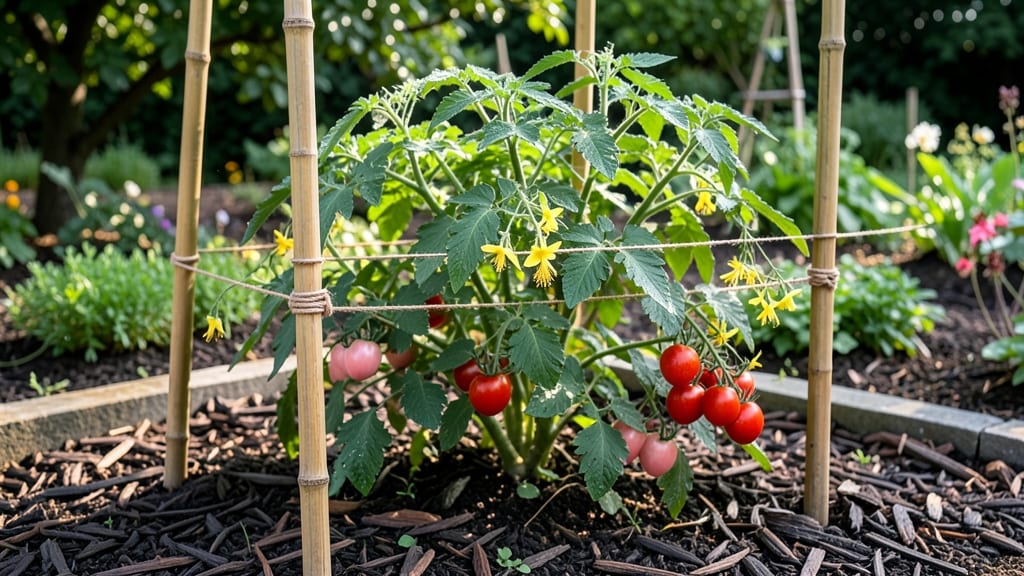
My tomato vine holders saved my garden from a tangled mess last summer. 🌱 The right support turns sprawling vines into vertical powerhouses—no more broken stems or lost fruit under the foliage.
I’ve tested everything from flimsy cages to heavy-duty trellises, and these are the ones that actually hold weight without flopping by August. You’ll need 6-foot stakes or 5-gallon buckets (yes, really) for DIY options, plus zip ties or soft plant ties to secure vines without crushing them.
The key is starting early—install supports when plants are 12 inches tall, not when they’re already toppling. I learned that the hard way with my first overloaded cage. By midseason, you’ll watch those vines climb 10+ feet with fruit hanging neatly where you can reach it.
No more digging through foliage to find tomatoes, and the airflow keeps diseases at bay. Even my black thumb can’t mess this up once the supports are in place. Works for determinate (bush) or indeterminate (vining) tomatoes, and adapts to containers or in-ground gardens.
Let’s get those plants growing straight—and keep the harvests coming.
📚 In This Guide
- What you need
- Instructions
- Tips and common mistakes
- Wrapping up and next steps
What you need
- ● Main Support Structures: Wooden stakes (5–6 ft tall, 2–3 per plant) OR
- ● Metal or PVC pipes (1–2 inch diameter, cut to 5–6 ft)
- ● Cinder blocks or heavy bricks (4–6 per holder)
- ● Trellis or Cage Framework: Galvanized wire mesh (1/4-inch or 1/2-inch grid, enough for 3–4 ft width)
- ● OR pre-made tomato cages (5–6 ft tall)
- ● Twine, zip ties, or soft plant ties (10–15 pieces)
- ● Fasteners & Hardware: Heavy-duty zip ties (20–30)
- ● Screws or nails (if assembling wood)
- ○ Hose clamps (optional, for securing pipes)
- ● Staple gun + staples (for securing mesh to wood)
- ● Concrete mix (if anchoring stakes permanently)
- ● Paint or stain (to weatherproof wood)
- ● Pruning shears (for trimming vines as they grow)
- ● Landscape fabric (to prevent weeds near the base)
How to install tomato vine holders for strong, mess-free growth
Here's my go-to method for setting up tomato vine holders that keep plants upright, fruits off the ground, and your garden looking tidy.
🪴 Step 1: Choose the Right Holder for Your Space
For 4 tomato plants, I recommend either a 4-foot tall cage (for compact varieties) or individual 6-foot stakes (for indeterminate vines). Cages work best in small spaces, while stakes give you more control over vine direction. Place holders 2-3 feet apart—crowding leads to tangled vines and disease.
Drive stakes 6-8 inches deep into the soil at planting time. For cages, press them firmly into the ground so they don’t wobble. The key is stability—if the holder shifts, the plant will lean and may snap in wind or heavy fruit. I like to tap the base with a mallet to set it securely before planting.
☀️ Step 2: Position Holders for Maximum Sun Exposure
Tomatoes need 6-8 hours of direct sun daily, so place holders where they won’t cast long shadows on other plants. Face cages or stakes north-south to distribute sunlight evenly. If your garden has afternoon shade, position holders so the main canopy faces east—morning sun is gentler and builds heat gradually.
Watch for leggy growth (thin stems with widely spaced leaves) as your plants grow—this means they’re stretching for light. If you see this, move the holder slightly to adjust the plant’s angle toward the sun. A well-supported vine will have thick stems and compact spacing between leaves.
🌱 Step 3: Secure Vines as They Grow
Start tying vines to the holder when they reach 12 inches tall, using soft plant ties or old pantyhose (no wire or anything that can cut into the stem). I wrap the tie loosely—just enough to guide growth without restricting it. Every 10-14 days, check ties and adjust as the vine thickens.
For indeterminate varieties, you’ll need to train vines upward by gently coiling them around the holder’s structure. Stop at the top and let side shoots grow horizontally—this encourages fruit production. If a vine breaks free, secure it immediately to prevent it from flopping and snapping under fruit weight.
✂️ Step 4: Prune and Maintain for Optimal Support
Remove suckers (the small shoots that grow between the main stem and branches) to focus energy on fruit production. Pinch them off when they’re 1-2 inches long—this prevents overcrowding and makes it easier to manage the vine’s weight. Prune in the morning so wounds have time to heal before evening moisture sets in.
As fruit develops, check the holder’s stability after heavy rain or wind. If the structure leans, press it back into place and add a stake or tie for extra support. Harvest regularly to prevent branches from bending under the weight—overloaded vines are more likely to break free from their holders.
💧 Step 5: Water and Fertilize for Strong Vine Support
Keep soil evenly moist (not soggy) to prevent weak stems that can’t support heavy fruit. Water at the base of the plant, not overhead, to avoid wetting leaves and encouraging disease. A drip irrigation system or soaker hose works best—it delivers water directly to the roots without disturbing the holder.
Fertilize with a balanced tomato feed (like 10-10-10) every 4-6 weeks to promote strong vine growth. Avoid high-nitrogen fertilizers—they encourage leafy growth at the expense of fruit. You’ll know you’re on track when your plants produce steady flowers and firm, green tomatoes without excessive leaf production.
Tips & tricks for perfect tomato vine support
Here's what I've learned after years of growing tomatoes—these tricks keep your plants sturdy and your harvests bountiful.
Stability is Everything: When installing your 4-foot cages or 6-foot stakes, think of them like a skyscraper foundation. The deeper you bury them (6-8 inches), the more stable they'll be during storms or when heavy tomatoes develop. I've seen stakes topple when planted too shallow—especially with indeterminate varieties that grow 10+ feet tall. Use a mallet to tap the base firmly into the ground before planting, and check stability again after your first heavy rain.
Sunlight Strategy: Those 6-8 hours of daily sun are non-negotiable, but positioning matters just as much. Place your holders so they face north-south to maximize sunlight exposure. If you notice leggy growth (thin stems with widely spaced leaves), it's your plant's way of saying "I need more light!" Simply adjust the holder's angle to redirect the vine toward the sun. A well-supported vine will develop thick stems and compact leaf spacing—this is your sign you're doing it right.
Tying Technique: Start securing vines to your holders when they reach 12 inches tall, but here's my secret: use soft plant ties or even old pantyhose—never wire. The key is gentle guidance, not restriction. Check ties every 10-14 days as the vine thickens, and adjust them loosely. I've ruined vines by tying too tightly, which can actually strangle the stem over time. For indeterminate varieties, coil the vine upward gently—think of it like training a puppy to follow commands, not forcing it.
Pruning Pro Tips: Those suckers (the shoots between main stems and branches) might look harmless, but they're energy vampires. Pinch them off when they're just 1-2 inches long to redirect energy to fruit production. And always prune in the morning—this gives wounds time to heal before evening moisture sets in, reducing disease risk. I prune every 2-3 weeks during peak growing season, and my plants reward me with heavier fruit loads.
Pro Tips for Tomato Vine Holder
- Here's what I've learned after years of growing tomatoes—these tricks keep your plants sturdy and your harvests bountiful.
- Stability is Everything: When installing your 4-foot cages or 6-foot stakes, think of them like a skyscraper foundation.
- Sunlight Strategy: Those 6-8 hours of daily sun are non-negotiable, but positioning matters just as much.
Frequently asked questions
Got questions about keeping your tomato vines strong and tidy? Here are answers to the most common ones—so you can grow like a pro!
How deep should I bury a tomato vine holder?
Aim for 6–12 inches deep to ensure stability, especially in windy areas. Bury it just enough so the base won’t wobble but leave the top 1–2 inches above ground for easy tying. For heavy vines, go deeper or add stakes inside the holder for extra support.
When is the best time to install a tomato vine holder?
Set it up at planting time (or when seedlings are 4–6 inches tall) to avoid disturbing roots later. If you’re retrofitting, wait until the plant is sturdy enough to handle the transfer—usually after it’s been in the ground for 2–3 weeks and has a few true leaves.
Can I reuse a tomato vine holder from last year?
Clean it thoroughly with a 10% bleach solution (or soapy water) to kill pests/diseases, then let it dry in the sun. Check for cracks or rust—if it’s still solid, it’s ready for another season. Pro tip: Store it in a dry place to extend its lifespan.
What’s a good alternative if I don’t have a vine holder?
No worries! Use:
- Cattle panels or wire cages (cut to size, bend into a cylinder).
- Trellis netting stretched between posts or a fence.
- DIY wooden frames (2x4s or PVC pipes in a square/oval shape).
- Straw bales or hay bales (wrap with twine for a rustic look).
Why is my tomato plant leaning or falling over even with a vine holder?
Check these fixes:
- Loose soil? Water deeply to settle roots, then stake the holder.
- Overwatering? Let the soil dry slightly—soggy roots weaken plants.
- Improper tying? Use soft ties (like old T-shirts or rubber bands) and adjust every 5–7 days as the vine grows.
- Pests/disease? Inspect leaves for damage and treat early.
Wrapping up and next steps
Investing in a tomato vine holder is a game-changer for gardeners aiming for bountiful, organized, and mess-free harvests. These sturdy supports simplify pruning, maximize space, and keep your tomatoes thriving—whether you’re a beginner or a seasoned pro. 🌱
Ready to elevate your garden? Start by choosing the right holder for your space and tomato variety, then set it up with confidence. Your future juicy, vine-free tomatoes will thank you!