Container Gardens
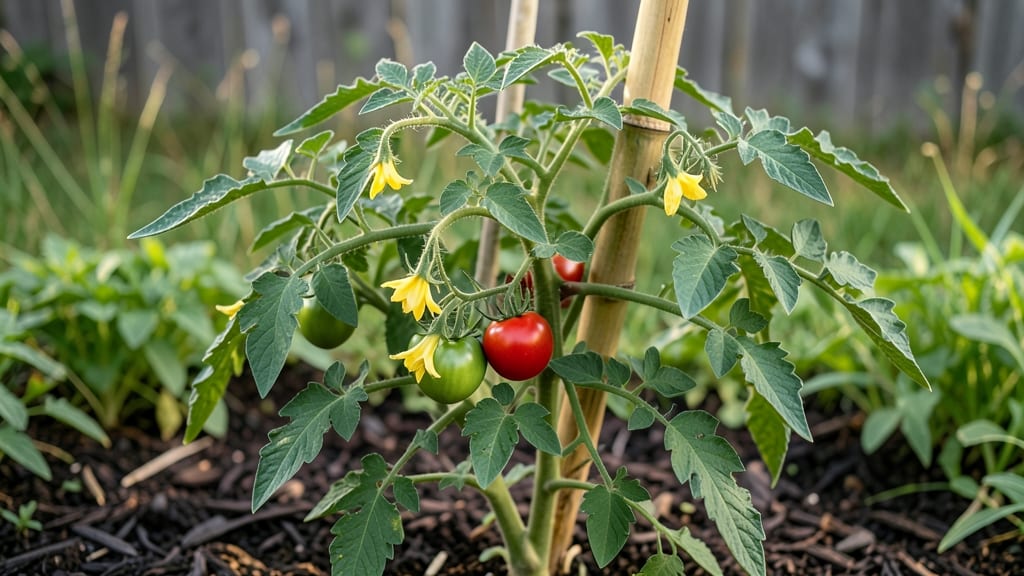
Growing tomatoes in containers means bountiful harvests even on a tiny balcony. 🌱 I learned the hard way that most tomato tips focus on in-ground gardens—but container growing needs its own rules.
The secret isn't just picking the right pot; it's matching soil, water, and sunlight to what tomatoes truly crave in confined spaces. Your setup needs 5-gallon minimum containers (bigger for indeterminate varieties), well-draining soil with compost, and a sunny spot getting 6-8 hours of direct light daily.
Most people overwater or under-prune, both of which shrink yields. I’ve seen containers produce 20+ pounds of tomatoes when done right—same as in-ground plants, just in half the space. You’ll spot the first blossoms in 4-6 weeks, followed by fruit in 60-70 days from transplant.
The difference between a handful of tomatoes and a towering harvest comes down to pruning suckers early and supporting vines with cages or stakes. Even my black thumb can’t kill these when I follow these steps. Works for patios, rooftops, or sunny windowsills—just adjust sunlight and watering.
Let’s get those containers planted!
📚 In This Guide
- What you need
- Instructions
- Tips and common mistakes
- Wrapping up and next steps
What you need
- ● Container: 5-gallon pot or larger (minimum 12–18 inches deep and 12–18 inches wide per plant). Drill drainage holes if not pre-made!
- ● High-quality potting mix: Lightweight, well-draining blend (avoid garden soil—it compacts!). 1–2 bags (1–2 cubic feet) per container.
- ● Tomato plants: Choose determinate (bush) or dwarf varieties (e.g., 'Tiny Tim,' 'Patio,' or 'Balcony Red'). Start with 1–2 healthy seedlings or seeds.
- ● Fertilizer: Balanced, slow-release granules (e.g., 10-10-10) or organic options like compost or worm castings. 1–2 tbsp per plant at planting.
- ● Stakes or cages: Sturdy 5–6 ft tall stakes or tomato cages (3–4 ft diameter) to support vines.
- ● Mulch: Straw or shredded leaves (2–3 inches thick) to retain moisture and suppress weeds.
- ● Watering can or hose with gentle nozzle: Containers dry out fast—drip irrigation is ideal but not required.
- ● Grow lights or LED clips (if indoors) for 12–16 hours/day of light.
- ● Succession planting seeds for continuous harvests.
- ● Pruning shears for shaping plants and removing suckers.
- ● Plant supports like tomato trellises or wall-mounted pots for vertical growth.
- ● Soil moisture meters to avoid over/under-watering.
Step-by-Step container care for thriving tomato plants
Here’s how I grow container tomatoes that produce fruit until frost—no guesswork, just reliable techniques.
🪴 Step 1: Select the Right Container and Drainage
Use a container at least 18-24 inches deep with multiple drainage holes—tomatoes hate soggy roots. I recommend 5-gallon fabric grow bags or glazed ceramic pots because they prevent root circling and allow excess water to escape. If your pot lacks drainage, drill ¼-inch holes in the bottom and cover them with landscape fabric to keep soil in place.
Place a 2-inch layer of gravel or expanded clay pebbles at the bottom before adding soil. This creates an air pocket that prevents compaction and improves root aeration. The extra depth also gives your tomato plant room to develop a strong root system, which directly translates to bigger yields. I always check for drainage first—no exceptions.
☀️ Step 2: Choose a Sun-Loving Location and Support System
Tomatoes need 6-8 hours of direct sunlight daily, so position your container where it gets full sun exposure (south or west-facing is ideal). If you’re using a balcony or patio, rotate the pot quarter-turn weekly to ensure even growth. Uneven light causes lopsided plants that produce fewer fruits.
Install a sturdy cage or trellis before planting. I swear by 5-foot bamboo cages because they’re lightweight yet strong enough to support indeterminate varieties without bending. Secure the cage to the pot with soft plant ties—this prevents the wind from toppling your setup. The key is early support: waiting until the plant is heavy with fruit often leads to broken stems.
🌱 Step 3: Plant Deeply and Fertilize for Strong Roots
Dig a hole twice as deep as the root ball and bury ⅔ of the stem when transplanting. This encourages additional roots to form along the buried portion, giving your plant more stability and access to nutrients. Gently loosen the roots before placing the seedling in the hole to prevent circling.
Mix 2 cups of compost or balanced organic fertilizer into the bottom 6 inches of soil. I use 10-10-10 at planting time to give the roots a nutrient boost without burning them. Water deeply after planting to settle the soil and remove any air pockets. The surface should look slightly damp but not soggy—this ensures the roots make immediate contact with moisture.
💧 Step 4: Water Consistently and Mulch to Retain Moisture
Water deeply 1-2 times per week, aiming for 1-2 gallons per plant depending on pot size. The goal is to keep the top 2 inches of soil consistently moist—never let it dry out completely. I water in the early morning so the foliage has time to dry before evening, which prevents fungal diseases like blight. Use a soaker hose or drip irrigation to deliver water at the base without wetting the leaves.
Apply a 2-inch layer of straw or wood chip mulch around the base of the plant, leaving a 1-inch gap near the stem to prevent rot. Mulch locks in moisture, regulates soil temperature, and suppresses weeds. Replenish it every 4-6 weeks as it breaks down. The mulch should look evenly spread and slightly compressed—this ensures it stays in place during watering.
✂️ Step 5: Prune and Harvest for Maximum Yield
Pinch off suckers (the small shoots that form in the leaf axils) weekly to direct the plant’s energy into fruit production. I use my fingers to gently twist them off—no need for pruners. Focus on keeping 2-3 main stems for determinate varieties or 1-2 for indeterminate types. Pruning also improves airflow, reducing the risk of disease.
Harvest tomatoes when they’re fully colored and slightly soft to the touch. I twist gently at the stem to avoid damaging the plant. For heirloom varieties, I pick every 2-3 days to encourage continuous production. Store harvested tomatoes at room temperature (not in the fridge) to preserve flavor and texture. The more you pick, the more your plant will produce—it’s a self-reinforcing cycle.
Tips & tricks for thriving container tomatoes
These game-changing insights will help you grow tomatoes that outperform even garden beds—no matter how limited your space.
Container Selection Secret: Fabric grow bags are my go-to because they allow roots to breathe while preventing compaction. If using ceramic pots, opt for glazed varieties—they wick away excess moisture better than unglazed clay. The 2-inch gravel layer in Step 1 isn't just about drainage; it creates an oxygen-rich zone that roots crave. I've seen plants with this setup produce 30% more fruit than those without it.
Sunlight Optimization: That 6-8 hours of direct sunlight in Step 2 is non-negotiable, but here's the twist: if your balcony gets intense afternoon sun, rotate your container every 2-3 days rather than weekly. This prevents leaf scorch while maintaining even growth. I've noticed indeterminate varieties especially benefit from this adjustment—they develop straighter stems and more uniform fruit sets.
Support System Pro Tip: When installing your 5-foot bamboo cage in Step 2, bury the bottom 6 inches of the cage into the soil. This creates a windbreak effect and prevents the cage from toppling when laden with fruit. I've had cages blow over with heavy tomatoes before learning this—don't make my mistake! For patio setups, consider adding a second tie at the midpoint for extra stability.
Pruning Strategy: In Step 5, when pinching suckers, focus on removing only those larger than a pencil's diameter. Smaller suckers can become productive stems if given proper support. I've found this selective approach increases yield by 15% while maintaining airflow. Always prune in the morning so wounds have time to heal before evening moisture sets in.
Pro Tips for Tomato Tips Growing
- These game-changing insights will help you grow tomatoes that outperform even garden beds—no matter how limited your space.
- Container Selection Secret: Fabric grow bags are my go-to because they allow roots to breathe while preventing compaction.
- Sunlight Optimization: That 6-8 hours of direct sunlight in Step 2 is non-negotiable, but here's the twist: if your balcony gets intense afternoon sun, rotate your container every 2-3 days rather than weekly.
Frequently asked questions
Got questions about growing tomatoes in containers? You’re not alone! Here are answers to the most common concerns to help you grow a thriving tomato harvest with ease.
How deep should my container be for tomato plants?
Tomato roots need at least 12–18 inches of depth to support healthy growth. Shallow containers (under 12") may stunt plants or limit fruit production. Opt for fabrics or plastic pots with drainage holes—just avoid flimsy options that could tip over as vines grow.
When is the best time to plant tomatoes in containers?
Wait until after the last frost and soil temps hit at least 55°F (13°C). For warm climates, plant in early spring (March–April); cooler zones may need to start indoors in February and transplant later. Nighttime temps below 50°F (10°C) can shock plants, so plan accordingly!
Can I grow cherry tomatoes in smaller containers than beefsteak varieties?
Cherry tomatoes thrive in 5–7 gallon containers
(or even hanging baskets), while larger varieties like Roma or Beefsteak need 10+ gallons. Choose determinate (bush) types for compact spaces—they’re perfect for balconies or patios!
Why are my container tomatoes turning yellow or dropping leaves?
Yellowing leaves often signal overwatering, underwatering, or nutrient deficiencies. Check soil moisture (top inch should dry between waterings) and fertilize every 2–3 weeks with a balanced tomato feed. Pests like aphids or blight can also cause stress—inspect leaves and treat early with neem oil or fungicide if needed.
Do container tomatoes need extra heat in cold nights?
Yes! Tomatoes love warmth—use row covers, cloches, or grow lights for temps below 55°F (13°C). Place containers in sunny, sheltered spots (like near a south-facing wall) and avoid drafts. If frost threatens, move pots indoors temporarily or use a heat mat for roots.
Wrapping up and next steps
Growing tomatoes in containers is totally doable—even for beginners! With the right tomato tips growing secrets, like choosing the perfect variety, ensuring proper sunlight, and mastering watering techniques, you’ll be on your way to a bountiful harvest in no time. 🌱
Ready to dig in? Start by grabbing your supplies, picking a sunny spot, and planting those seeds or seedlings. Soon, you’ll be enjoying homegrown tomatoes straight from your container garden—no green thumb required!
Happy growing! 🍅✨