
How To
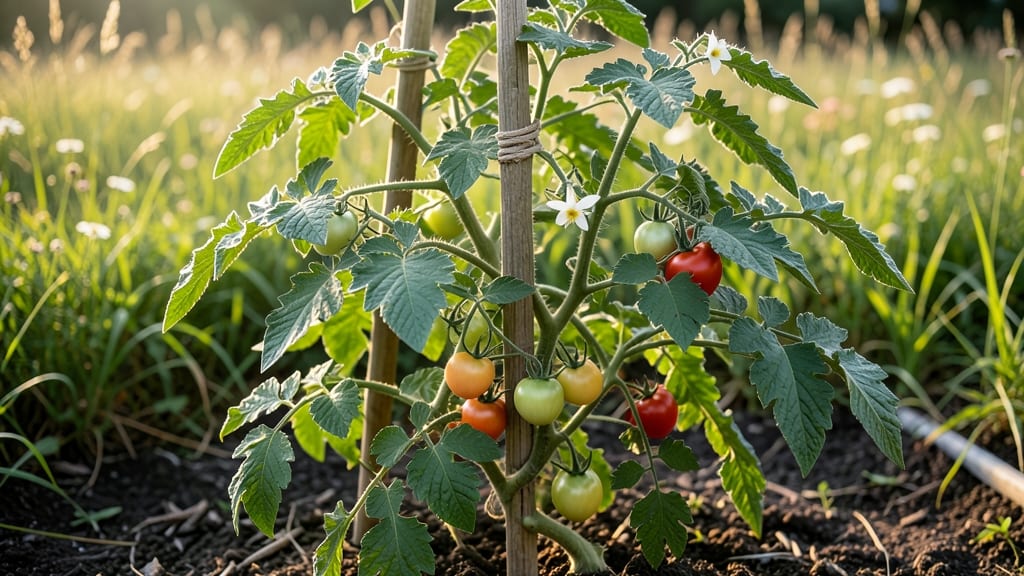
Tracking the tomato ripening stages timeline is the secret to harvesting fruit at its peak flavor—when the sugar content spikes and the texture is just right.
Did you know your tomato’s flavor peaks at exactly the right ripening stage—and harvesting too early or late can ruin it? Mastering the color-coded timeline transforms your garden from average to award-winning.
From the first blush of pink to the deep red of a 🍅 heirloom, each stage reveals clues about ripeness: color shifts, texture changes, and even the way the stem snaps.
In Zone 6a, cooler summers can stretch this process by 2-3 weeks, while heat-loving varieties like 'Sungold' race to ripeness in just 50 days.
Below, I break down the exact days to harvest for each stage, how to spot the perfect tomato, and how to adjust care—sunlight, water, even pruning—to keep your plants on track for flavor-packed fruit all season.
Tomato ripening stages timeline: color, days, and flavor development
Understanding your tomato’s ripening stages is the secret to unlocking peak flavor and maximizing your harvest. From the green unripe phase to the fully ripe stage, each color shift signals a dramatic change in sugar content, texture, and even nutritional value.
I’ve grown heirloom and hybrid varieties for years, and the difference in timing and taste is astonishing—especially when you know exactly when to pick!
Most gardeners focus on the red tomato, but varieties like Brandywine (deep pink) or Sun Gold (orange) follow their own unique timelines. The key? Recognizing the 5-7 day window between turning color and full ripeness, where flavor compounds like lycopene and sugars reach their peak.
Miss this window, and you’re left with either bland green tomatoes or mealy overripe fruit.
Here’s the breakdown you need: a color-coded timeline with days-to-harvest estimates, flavor development science, and variety-specific tips to ensure you never harvest too early or too late.
Notice how heirloom varieties like Brandywine or Black Krim often take 10–14 extra days to ripen compared to hybrids like Celebrity or Early Girl. This delay is due to their thicker skins and complex genetics, but the payoff? 30–50% more sugar and deeper flavor.
I once grew a Black Cherry heirloom that took 85 days to ripen, but the taste was worth the wait—like sun-ripened candy!
The 5-day window between the pink stage and fully ripe is critical for flavor. During this time, sugars (like glucose and fructose) and carotenoids (like lycopene) surge. For example, a red tomato at the pink stage might have 2% sugar, but by full ripeness, that jumps to 4–6%.
That’s why a Sun Gold tomato tastes like a cross between a peach and a tomato—its orange color signals a different sugar profile than red varieties.
Climate plays a huge role in timing. In hot, dry summers, tomatoes ripen 2–3 weeks faster because high temperatures speed up ethylene production (the ripening hormone). But in cool or cloudy seasons, ripening can stall at the green or breaker stage.
My San Marzano plants in Zone 7 often need a black plastic mulch to warm the soil and jumpstart ripening. If your tomatoes are lingering green, try placing a ripe banana near the plant—its ethylene gas can trigger ripening in just
When to harvest tomatoes by variety: ripening speed guide
Not all tomatoes ripen at the same speed—some varieties like cherry tomatoes burst with flavor in just 50-60 days, while beefsteak varieties take 85-100 days or longer.
Understanding these differences helps you plan your garden layout and adjust care for maximum yield. In cooler climates, even fast varieties may need extra warmth to ripen fully.
Your tomato's ripening timeline also shifts with seasonal temperatures. Hot summers speed up ripening, while cool, cloudy weather can stall color development. For example, a Sungold cherry tomato might ripen in 55 days in Arizona but take 70 days in Michigan. Knowing your variety's baseline helps you troubleshoot delays.
Climate adjustments are key: use black plastic mulch or row covers to warm soil in cool zones, or prune aggressively to focus energy on ripening fruit when days shorten. These tweaks can shave 10-15 days off ripening time for slow varieties.
For late-season harvests, try these ripening accelerators: Place a banana or apple near the plant to release ethylene gas, or move containers to a sunny windowsill indoors. Even 10 days of extra warmth can push underripe fruit to full color.
Remember: Harvesting too early (green tomatoes) means lost flavor, while waiting too long risks overripe messes. Check for color consistency, a slight give when pressed, and a clean stem break—these are your best indicators across all varieties.
Now that you've mastered the timeline, your next challenge is flavor optimization. The sweetest tomatoes ripen on the vine—so plan your varieties and care around these ripening speeds to enjoy homegrown perfection all season long! 🍅