
Planting
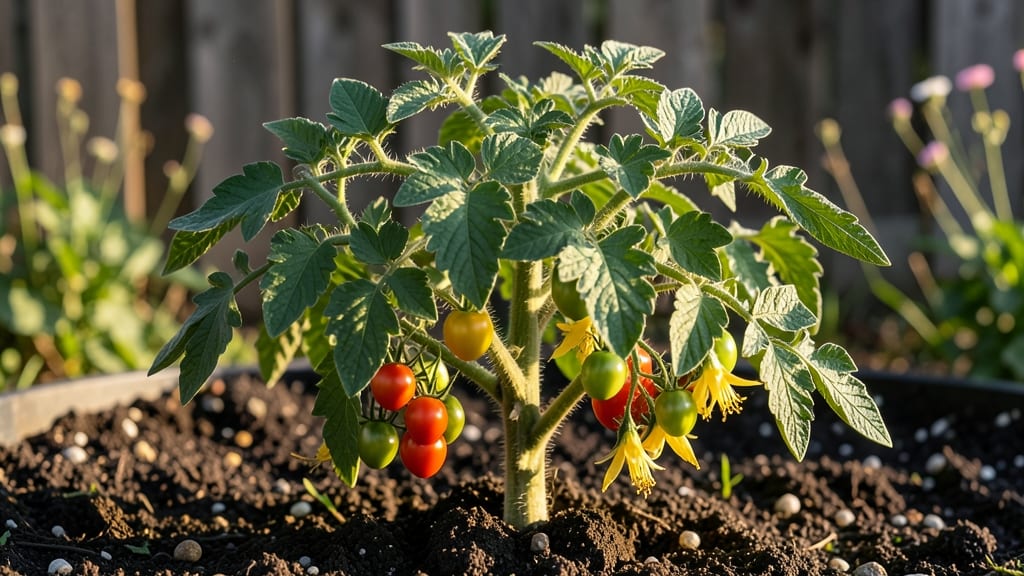
Cherry tomato plants flowering like crazy means your summer harvest is just around the corner—but only if you prune right. 🌱 I learned the hard way that aggressive pruning can stop blooms in their tracks, while gentle shaping keeps the plant producing fruit for months.
The key is timing, technique, and knowing when to stop cutting. Most gardeners focus on removing suckers, but the real secret is balancing air circulation with plant energy. Too much pruning shocks the plant, while too little lets it get leggy and overcrowded.
Aim for 3-5 main stems per plant and prune just above a leaf with a bud—never leave stubs. This simple habit turns a single flush of blooms into a never-ending harvest.
You'll notice new flowers appearing within 7-10 days of proper pruning, and the existing clusters will swell into plump, sweet tomatoes. The plant stays compact, resists disease, and keeps producing until frost. Even my black thumb finally got reliable results after switching to this method.
Works for all cherry tomato varieties, whether you're growing in containers or garden beds. Here's how to do it without killing your plant's productivity!"
📚 In This Guide
- What you need
- Instructions
- Tips and common mistakes
- Wrapping up and next steps
What you need
- ● Cherry tomato plants: 1–4 plants (depending on space; dwarf varieties like 'Tiny Tim' or 'Sweet 100' work great for containers!)
- ● Tip: Choose disease-resistant varieties (e.g., 'Mountain Merit' or 'Sun Gold') for fewer headaches.
- ● Containers or garden bed: Containers: 5-gallon pots or larger (at least 12" deep/wide; drainage holes are a must!)
- ● Garden bed: Full sun (6–8+ hours/day), well-draining soil with pH 6.0–6.8.
- ● Pruning tools: 1 pair of sterilized pruning shears (bypass pruners, 5–7" blade)
- ● 1 small hand pruner (for delicate trimming)
- ● 1 disinfectant (70% isopropyl alcohol or bleach solution to clean tools between cuts).
- ● Support system: 1–2 tomato cages (4–5 ft tall) OR stakes (6 ft bamboo/telescoping)
- ● 1 roll twine or plant ties (jute or soft plastic, ¼" width).
- ● Fertilizer: Balanced liquid fertilizer (10-10-10 or 5-5-5) OR slow-release granules (like Osmocote).
- ○ 1 tbsp Epsom salt (magnesium sulfate; optional but boosts blooms!).
- ● 1 pH test kit (to monitor soil acidity; adjust with lime or sulfur if needed).
- ● 1 mulch (straw or shredded leaves to retain moisture and suppress weeds).
- ● 1 spray bottle (for misting flowers on dry days).
- ● 1 growth regulator (like Bloom by Bonide; use sparingly to prevent over-blooming stress).
- ● 1 notebook (to track pruning dates and bloom cycles!).
Step-by-Step pruning guide for cherry tomato flowering
Here's how I coax my cherry tomatoes into producing blooms all season long.
🌿 Step 1: Identify and Remove Suckers Early
Suckers are the small shoots that grow in the V-shaped junction between the main stem and a branch. These little side shoots steal energy from your plant's primary goal: producing flowers and fruit. Pinch them off cleanly with your thumb and forefinger when they're about 1 inch long—any longer and you risk damaging the plant.
I do this every 5-7 days during the growing season. You'll know you're doing it right when you see the main stem and branches thicken and the leaves darken slightly—this means the plant is directing its energy where you want it. Never pull suckers straight out; always pinch at the base to avoid tearing the stem.
✂️ Step 2: Prune Lower Leaves to Improve Airflow
Start by removing any leaves that touch the soil or hang below the first flower cluster. These leaves create a damp, shady environment that invites disease. Use clean, sharp pruning shears to make cuts just above a leaf node or small branch. I like to work from the bottom up, removing 2-3 sets of lower leaves at a time.
This isn't just about disease prevention—it's about focusing the plant's energy. When you remove these lower leaves, sunlight reaches more of the plant, which means more photosynthesis and more energy for flowering. You'll notice the remaining leaves turn a deeper green and the stems become sturdier within a week or two.
☀️ Step 3: Balance Sunlight Exposure for Flowering
Cherry tomatoes need 6-8 hours of direct sunlight daily to produce abundant flowers. If your plants start looking leggy with sparse leaves, they're not getting enough light. I adjust my pruning to open up the plant's canopy—this means removing some of the larger leaves that might be shading the interior branches.
Focus on thinning out the foliage so light can penetrate to the center of the plant. You'll see the difference in 7-10 days: new leaves will emerge with a brighter green color, and you'll start to see more flower clusters forming. If your tomatoes are in containers, rotate them a quarter turn every few days to ensure even sunlight exposure.
🌱 Step 4: Encourage Flowering with Strategic Pruning
Once your plant starts flowering, shift your focus to maintaining the shape while encouraging more blooms. Remove any flowers that appear on the first few inches of the main stem—this might seem counterintuitive, but it forces the plant to put its energy into developing stronger branches higher up, which will produce more flowers overall.
I also trim back any branches that grow more than 3-4 feet long. Long, unchecked branches can produce fruit, but they'll be smaller and fewer in number. By keeping branches shorter and bushier, you encourage the plant to produce more clusters of flowers. You'll know you're on the right track when you see new flower buds forming along the main stem and branches within 10-14 days.
⏰ Step 5: Maintain Through the Season
Pruning isn't a one-time task—it's an ongoing process. Every 2-3 weeks, check your plants for new suckers, yellowing leaves, or branches that need trimming. Remove any leaves that show signs of disease or pests immediately to prevent them from spreading. I also make it a habit to prune just after a heavy rain or watering session when the stems are more flexible and less likely to snap.
Throughout the season, keep an eye out for any branches that are growing inward or crossing over each other. These can rub against each other and create wounds that invite disease. Trim them back to maintain an open, airy structure. By the end of the season, you'll have a cherry tomato plant that's producing blooms continuously, with strong, healthy growth and minimal disease issues.
Tips & tricks for perfect cherry tomato flowering
Here's what nobody tells you about keeping your cherry tomatoes blooming like crazy all season.
The Timing Secret: In Step 1, when you're removing suckers every 5-7 days, I've found that early morning is the best time. The plants are turgid from overnight watering, so the stems are more flexible and less likely to snap when you pinch. Plus, you'll avoid the afternoon heat that can stress the plant right after pruning.
Pruning Technique: For Step 2, when removing those 2-3 sets of lower leaves, I like to make my cuts just above a leaf node or small branch rather than at a random point. This encourages new growth from that node, giving you more foliage to support flowering. Think of it like giving your plant a haircut that stimulates regrowth in strategic spots.
Sunlight Strategy: In Step 3, when you're opening up the plant's canopy for better light penetration, focus on removing leaves that are shading the main stem and flower clusters. I've noticed the biggest difference in flowering when I can see sunlight reaching all the way to the center of the plant. If you're growing in containers, that quarter-turn rotation every few days makes a surprising difference in even growth.
Maintenance Matters: In Step 5, when you're doing your 2-3 week maintenance checks, I always bring a small bottle of rubbing alcohol to clean my pruning shears between cuts. This prevents spreading any potential diseases from one part of the plant to another. It's a small habit that pays off big time in plant health.
Pro Tips for Cherry Tomato Plant Flowering
- Here's what nobody tells you about keeping your cherry tomatoes blooming like crazy all season.
- The Timing Secret: In Step 1, when you're removing suckers every 5-7 days, I've found that early morning is the best time.
- Pruning Technique: For Step 2, when removing those 2-3 sets of lower leaves, I like to make my cuts just above a leaf node or small branch rather than at a random point.
Frequently asked questions
about cherry tomato plant flowering—because every gardener deserves a little clarity!Why aren’t my cherry tomato flowers turning into fruit?
This is often due to pollination issues (especially in greenhouses) or temperature stress. Tomatoes need bees or gentle shaking to pollinate flowers. If temps drop below 55°F (13°C) or rise above 90°F (32°C), blooms may drop. Try hand-pollinating with a small brush or relocate plants to a sunnier spot.
How long does it take for cherry tomato flowers to become fruit?
With ideal conditions (warmth, sunlight, and pollination), cherry tomatoes typically take 5–7 days to set fruit after flowering. However, this can stretch to 2–3 weeks in cooler weather. Patience is key—consistent care speeds up the process!
Should I prune flowers to encourage more blooms?
Yes! Pruning older leaves and suckers (shoots between the stem and branches) improves airflow and redirects energy to new flowers. For determinate varieties (bush tomatoes), light pruning is fine. For indeterminate (vining) types, prune aggressively to boost continuous blooming. Just avoid over-pruning—leave enough foliage for photosynthesis!
What should I do if my cherry tomato plant stops flowering?
Check for these common culprits:
- Overcrowding: Thin plants or space them 18–24 inches apart.
- Nutrient deficiency: Feed with a balanced fertilizer (10-10-10) or compost.
- Stress: Avoid sudden temperature swings or drought.
- Pests/disease: Inspect for aphids, whiteflies, or fungal spots.
Can I grow cherry tomatoes indoors and still get flowers?
Use a sunny windowsill (6+ hours of light) or grow lights (14–16 hours/day). Choose compact varieties like ‘Tiny Tim’ or ‘Micro Tom.’ Hand-pollinate flowers with a cotton swab, and maintain humidity (mist leaves occasionally). A small fan on low can also help simulate outdoor breezes for better pollination.
Wrapping up and next steps
Watching your cherry tomato plant burst into nonstop blooms is incredibly rewarding—and now you’ve got the pruning secrets to make it happen! 🌸 By mastering the art of suckering, shaping, and strategic cuts, you’ll encourage healthier vines, bigger yields, and a harvest that keeps coming.
Remember, patience and consistency are key, so don’t rush the process.
Ready to transform your garden? Grab those pruners and start experimenting with these techniques. Before you know it, you’ll be feasting on sweet, juicy tomatoes all season long—one bloom at a time! 🍅✨