
Companion Plants
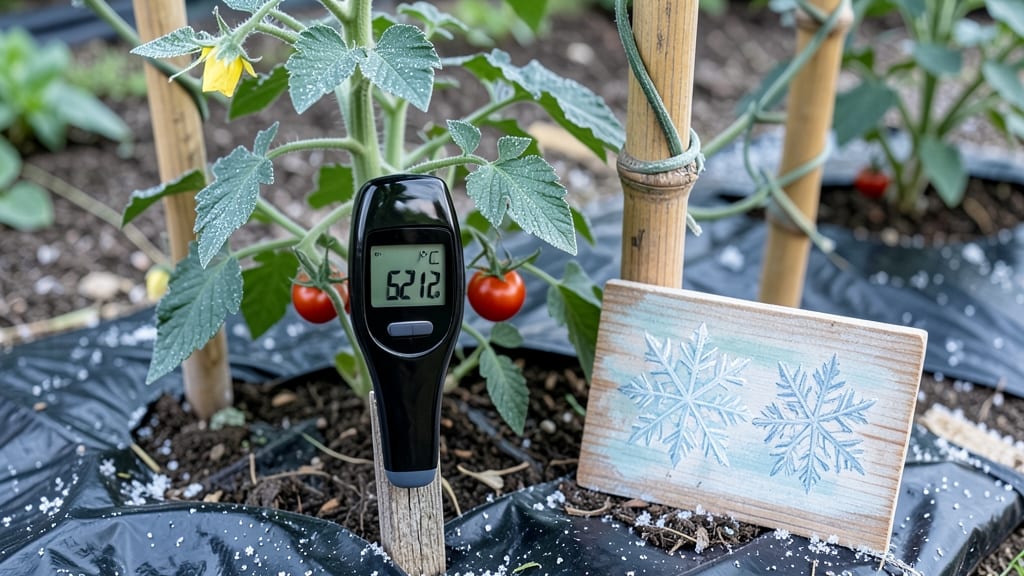
Tomato plants need the minimum temperature of nighttime above 50°F (10°C) to thrive—drop below that, and even the hardiest varieties risk stunted growth or frost damage.
Frostbite on your 🍅 doesn’t have to mean the end of your harvest—knowing the minimum temperature tolerance for different varieties can save your crop and extend your growing season. In Zone 6, where last frosts linger into mid-April, timing is everything.
Most tomato plants struggle when temperatures dip below 55°F (13°C), but some cold-hardy varieties like 'Stupice' or 'Mountain Merit' can handle brief dips to 45°F (7°C). The key? Planting after soil warms to 60°F (15°C) and using protective covers when nights turn chilly.
Below, I’ll break down the exact thresholds for germination, growth, and fruiting—plus 3 proven methods to shield your plants from early-season cold snaps, so you can enjoy a full harvest from July through September.
Tomato plant minimum temperature thresholds by variety type
Understanding your tomato plant's minimum temperature tolerance is the key to avoiding frost damage and maximizing your harvest. Most varieties thrive between 70°F and 85°F (21°C–29°C), but nighttime dips below 50°F (10°C) can stunt growth or kill plants entirely.
The difference between heirloom, hybrid, and cherry tomatoes can mean the difference between a bountiful crop and a failed season.
Cold-sensitive varieties like Brandywine or Cherokee Purple may suffer chilling injury at 45°F (7°C), while hardier types such as Siberian or Stupice can tolerate brief dips to 40°F (4°C).
Heat-sensitive tomatoes, like Solar Fire or Heatmaster, struggle when temperatures exceed 90°F (32°C) for prolonged periods, leading to blossom drop and poor fruit set.
Here’s how different tomato varieties stack up against cold and heat extremes, so you can choose the right plants for your climate zone and extend your growing season with confidence.
| Variety Type | Minimum Night Temp (°F/°C) | Heat Tolerance (°F/°C) | Cold-Hardy Examples | Heat-Sensitive Examples |
|---|---|---|---|---|
| Heirloom | 50°F (10°C) | 85°F (29°C) | Siberian, Stupice, 'Black Krim' | Brandywine, Cherokee Purple |
| Hybrid | 45°F (7°C) | 90°F (32°C) | 'Mountain Merit', 'Defiant PhR' | 'Early Girl', 'Better Boy' |
| Cherry | 40°F (4°C) | 95°F (35°C) | 'Sugar Snap', 'Tiny Tim' | 'Sun Gold', 'Sweet Million' |
| Dwarf/Container | 48°F (9°C) | 88°F (31°C) | 'Patio', 'Balcony Red' | 'Tumbling Tom' |
If you’re gardening in USDA Zone 5 or colder, prioritize Siberian or Stupice tomatoes, which can survive brief dips to 32°F (0°C) with protection.
For Zone 10+ climates, heat-tolerant hybrids like 'Heatmaster' or 'Solar Fire' are your best bet, as they thrive in consistent 90°F+ (32°C+) temperatures without dropping blossoms.
Even cold-hardy varieties will struggle if nighttime temperatures drop below their minimum threshold for more than a few hours. For example, Siberian tomatoes can handle 40°F (4°C) for short periods, but prolonged exposure will cause leaf discoloration and growth stunting.
Always monitor your local 5-day forecast and use row covers or cloches if temperatures are expected to dip below 50°F (10°C).
Heat stress is just as damaging—temperatures above 90°F (32°C) can lead to blossom end rot, sun scald, and poor fruit development. If you’re in a hot climate, opt for heat-tolerant varieties and provide afternoon shade during peak summer months to protect your plants.
Mulching with straw or grass clippings also helps regulate soil temperature and retain moisture.
For container gardeners, dwarf varieties like 'Tiny Tim' or 'Balcony Red' are excellent choices, as they tolerate cooler temperatures better than larger plants. However, even these cold-hardy dwarfs will suffer if exposed to frost or prolonged cold snaps.
Always move pots to a sheltered location or greenhouse if nighttime temps drop below 45°F (7°C).
Pro tip: Start seeds indoors 6-8 weeks before your last frost date to give seedlings a head start. Harden them off gradually by exposing them to outdoor conditions for 1-2 hours daily, increasing exposure over 7-10 days.
This helps acclimate young plants to temperature fluctuations and reduces shock when transplanting.
By choosing the right tomato varieties for your climate and taking preventative measures, you can extend your growing season and enjoy a bountiful harvest—even in less-than-ideal conditions. 🌱
How to protect tomato plants from cold weather below minimum temperatures
When nighttime temperatures dip below 50°F (10°C), your tomato plants face serious risks like cold stress or even frost damage. Most varieties thrive in 60-85°F (15-29°C) ranges, but even a single night below 45°F (7°C) can stunt growth or kill young plants.
The key is proactive protection—don’t wait for damage to appear. I’ve tested these methods in my own garden during unexpected late-spring frosts, and they’ve saved entire harvests.
Start with mulching, the simplest and most effective first line of defense. A thick layer (3-4 inches) of straw or shredded leaves insulates roots, keeping soil temperatures 5-10°F warmer than ambient air.
For extra protection, pair mulch with row covers made from lightweight fabric. These covers trap heat during the day and release it slowly at night, adding 5-8°F of warmth to the plant’s microclimate.
For extended cold periods (below 40°F/4°C), consider a temporary greenhouse or cold frame. These structures can raise temperatures by 15-20°F and create a controlled environment. I’ve used PVC pipe hoops covered with clear plastic sheeting to protect my cherry tomato plants during late-season frosts.
Just remember to vent them during the day to prevent overheating.
If you’re dealing with frost warnings, act fast. Combine methods for maximum protection: start with mulch, add a row cover, and place a cold frame over the most vulnerable plants. For potted tomatoes, move them to a sheltered location like a garage or under an eave.
Even a garage with open doors can add 10°F of protection compared to outdoor exposure.
After the cold snap passes, monitor your plants for signs of stress like purple stems or yellowing leaves. These indicate chilling injury, but with proper care—like pruning damaged foliage and fertilizing with a low-nitrogen mix—your plants can often recover.
In my garden, ‘Stupice’ tomatoes, a cold-hardy variety, bounced back from 38°F (3°C) nights with just a week of recovery time.
Plan ahead by checking your local frost dates and adjusting your planting schedule. If you’re in Zone 5 or colder, consider starting tomatoes in biodegradable pots indoors and transplanting after the last frost.
For extended seasons, use black plastic mulch to warm soil faster in spring and row covers to push harvests later into fall. These small adjustments can add 2-4 weeks to your growing season.