
Companion Plants
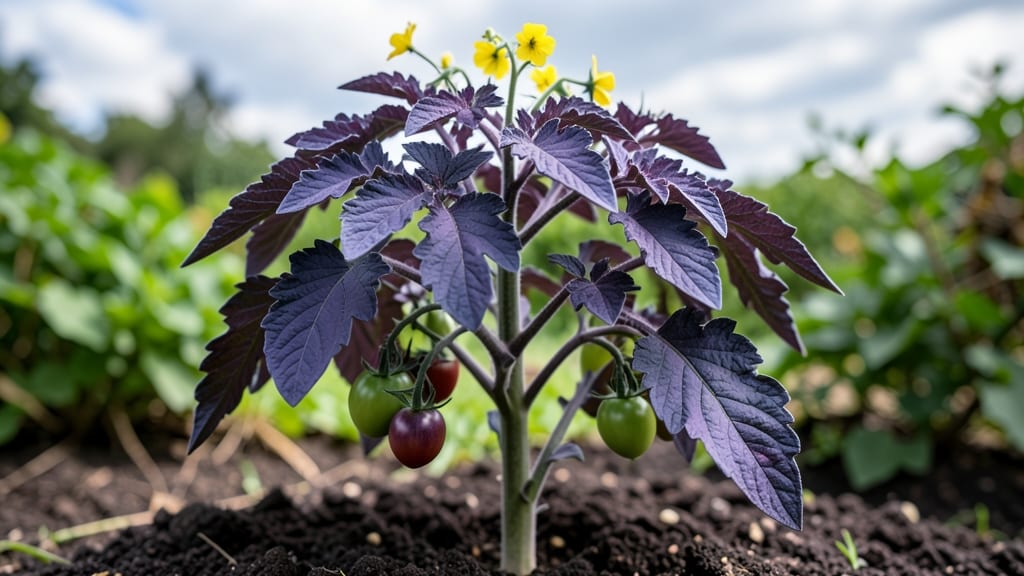
When tomato plants look purple, it’s your garden’s way of screaming for help—usually from phosphorus starvation or calcium stress. 🌱 I’ve seen this turn into a full-blown crisis when ignored, but the fix is simpler than you’d think: a targeted soil boost and a few tweaks to watering habits.
The good news? Purple leaves don’t mean your plants are doomed—just hungry for the right nutrients.
Phosphorus deficiency (the most common cause) shows up as dark purple stems and undersides of leaves, while calcium issues create purple edges on younger leaves. Cold stress can mimic these symptoms, so check your soil temperature first—tomatoes need warmth to thrive.
I’ve revived plants in just 7-10 days by adjusting these three factors, and you can too.
Start with a balanced fertilizer (look for the middle number—phosphorus—being highest), then water deeply but consistently. Avoid overwatering, which dilutes nutrients in the soil. If calcium’s the issue, a crushed eggshell tea or lime amendment works wonders.
Within weeks, those purple hues fade, and your plants redirect energy to fruit production instead of survival mode.
Prevention is even easier: test your soil at planting time and amend as needed. Mulch heavily to retain soil warmth, and avoid planting tomatoes in the same spot year after year.
Purple leaves are a red flag, but they’re also a sign you’re about to turn things around—literally. Let’s get those plants back to their vibrant green selves.
Why it happens
When your tomato plants start showing off those unexpected purple hues—especially on the undersides of leaves or stems—it’s usually a cry for help from your botanical buddy. 🌱💜 This isn’t just a cosmetic quirk; it’s a nutritional red flag (or sometimes a pH party crash) that can stunt growth or reduce fruit quality if ignored.
Let’s break down the science behind why your tomatoes are throwing a purple protest.
🔬 Phosphorus Starvation: The Energy Crisis
Phosphorus is the energy currency of plants—it fuels root growth, flowering, and fruit development. When soil lacks available phosphorus (often due to locked-up forms or leaching), tomato plants can’t access it efficiently. Their response? A purple pigment called anthocyanin floods the stems and leaf veins as a stress signal. 🌿
- Why it happens: Phosphorus is tied up in soil minerals (like iron or aluminum) when pH is too high (alkaline) or when organic matter is scarce.
- Actionable clues:
- Purple appears on leaf undersides and stems first.
- Older leaves may turn dark green or brown at the edges.
- Slow growth or delayed flowering despite ample water.
- Quick fix: Test your soil’s pH (aim for 6.0–6.8) and amend with bone meal or rock phosphate. For fast results, use a phosphorus-rich fertilizer (like 5-10-10) and water it in deeply.
🌡️ Temperature Stress: When Heat Triggers Purple
Tomatoes are warm-weather babies, but extreme heat—especially above 90°F (32°C)—can shock them into producing anthocyanins as a sunburn protection mechanism. This is common in late-season heatwaves or greenhouses without proper ventilation. 🌞🔥
- Why it happens: High temperatures disrupt chlorophyll production, and the plant shifts to anthocyanins for antioxidant defense. It’s like your tomatoes are wearing UV-blocking sunscreen!
- Actionable clues:
- Purple appears on young leaves or new growth exposed to direct sun.
- Leaves may curl or scorch at the edges.
- Fruit might blossom end rot (black spots) due to uneven water uptake.
- Quick fix:
- Provide afternoon shade with shade cloth (30–50%).
- Mulch heavily to keep roots cool (straw or grass clippings work).
- Avoid fertilizing during heatwaves—nitrogen burns in hot soil.
💧 Water Woes: Drought or Overhead Overload
Water stress—whether from drought or poor drainage—can trigger anthocyanin production as the plant conserves resources. But here’s the twist: overwatering (especially with hard water) can also cause purple tinges by leaching nutrients or causing root asphyxiation. 💦🌪️
- Why it happens:
- Drought: Roots struggle to absorb nutrients, so the plant recycles phosphorus from older leaves, leaving new growth purple.
- Overwatering: Oxygen-starved roots can’t uptake phosphorus efficiently, mimicking a deficiency.
- Actionable clues:
- Purple on leaf margins or between veins (drought).
- Yellowing leaves with purple stems (overwatering).
- Crispy leaf edges (drought) or mushy stems (overwatering).
- Quick fix:
- Check soil moisture 1–2 inches deep—water when dry (not soggy).
- Use drip irrigation to avoid wetting leaves (reduces disease + evaporation).
- Flush soil with rainwater or distilled water if using hard tap water.
🌱 pH Imbalance: When Soil Gets Too Hostile
Tomatoes thrive in slightly acidic soil (pH 6.0–6.8). If your soil is too alkaline (pH >7.0), phosphorus and other nutrients become unavailable, forcing your plants to signal distress with purple. 🧪💥
- Why it happens: Alkaline soils bind phosphorus into insoluble compounds (like calcium phosphate), making it inaccessible. The plant can’t get its energy source, so it overproduces anthocyanins as a last-ditch antioxidant effort.
- Actionable clues:
- Purple on older leaves and stems (not just new growth).
- Slow growth despite plenty of fertilizer.
- Yellowing between veins (iron deficiency, often linked to high pH).
- Quick fix:
- Test your soil’s pH with a home kit or lab test.
- Lower pH with sulfur, peat moss, or pine needles (apply gradually).
- Use chelated fertilizers (like iron chelate) for immediate relief.
Quick Fixes for Purple Tomato Plants
Now that you know why your tomato plants are turning purple, let’s roll up our sleeves and get them back to their vibrant, productive selves! The good news? Most of these fixes are simple, cost-effective, and can be done in just a few days.
Below, we’ve mapped out the best solutions based on the root cause—plus some pro tips to keep your plants thriving long-term.
If your plants are purple due to phosphorus or potassium shortages, here’s how to restore balance:
🔥 Boost Phosphorus for Root & Flower Growth
Purple stems or leaves often signal a phosphorus deficiency, which stunts root and flower development. Try these methods: - Add Bone Meal: Sprinkle 1–2 tablespoons of bone meal around the base of each plant, then gently water it in.
Bone meal releases phosphorus slowly, giving your tomatoes a steady supply. - Use Compost Tea: Brew a batch of compost tea (rich in phosphorus) and apply it as a foliar spray or soil drench.
For a quick recipe, steep 1 cup of compost in 5 gallons of water for 24–48 hours, then strain and use. - Switch to a Balanced Fertilizer: If you’ve been using a high-nitrogen fertilizer (like for leafy greens), switch to a 5-10-10 or 10-20-20 formula to prioritize phosphorus and potassium.
> 💡 Pro Tip: Avoid overdoing phosphorus—too much can lock out other nutrients like zinc or iron. Always follow package instructions!
🍳 Potassium Remedies for Stronger Vines & Fruits
Potassium deficiencies (often masked by purple edges) weaken plant structure and fruit quality.
Fix it with: - Wood Ash: Sprinkle a light layer of wood ash (from untreated wood) around the base—it’s packed with potassium. Warning: Use sparingly (½ cup per plant max) to avoid raising soil pH too high. - Banana Peel Tea: Save your banana peels!
Chop them up, simmer in water for 30 minutes, strain, and use the liquid to water your plants. Bananas are naturally high in potassium. - Epsom Salt (for Magnesium + Potassium Boost): While primarily a magnesium source, Epsom salt also contains sulfur and potassium.
Mix 1 tablespoon per gallon of water and spray on leaves or soil.
> ✨ Bonus Hack: Pair potassium-rich fixes with a foliar spray of seaweed extract (like Maxicrop) for an extra nutrient kick and stress relief.
If your soil is too alkaline (pH > 7.0), nutrients like phosphorus and iron become unavailable, even if they’re present.
Test your soil’s pH with a kit (available at garden centers) and adjust: - Lower pH (More Acidic): Mix in sulfur (1 pound per 100 sq ft) or peat moss to acidify the soil.
For a quick fix, water with vinegar (1 cup per gallon)—but use sparingly! - Raise pH (Less Acidic): If your soil is too acidic (pH < 5.5), add lime (calcium carbonate) according to package rates. Wait 2–3 weeks before replanting.
> 🌡️ Pro Tip: Aim for a pH of 6.0–6.8 for tomatoes—this is the sweet spot for nutrient absorption.
Once your plants bounce back, keep them healthy with these long-term strategies:
| Issue | Prevention Tip | How to Do It |
|---|---|---|
| Nutrient Imbalance | Rotate fertilizers seasonally. | Use high-nitrogen early (for leaves), then switch to phosphorus/potassium as flowers form. |
| Poor Soil Quality | Amend soil before planting. | Mix in compost, worm castings, or aged manure (2–3 inches deep). |
| Overwatering | Improve drainage. | Plant in raised beds or add perlite/sand to heavy clay soil. |
| Pests/Disease Stress | Monitor plants weekly. | Inspect leaves for aphids, spider mites, or fungal spots and treat early. |
| Overcrowding | Space plants properly. | Give tomatoes 18–24 inches apart for airflow and sunlight. |
If your plants are deep purple and wilting, act fast:
- Prune Damaged Leaves: 🔪 Snip off any severely discolored or yellowing leaves to redirect energy to healthy growth.
- Fertilize Immediately: Use a liquid tomato fertilizer (like Miracle-Gro) and water deeply.
- Shade Cloth: If heat stress is the issue, provide 30% shade cloth for a few days to reduce stress.
- Mulch: Add 2–3 inches of straw or grass clippings to retain moisture and cool roots.
> 🎯 Final Tip: Purple leaves can also signal calcium deficiency (blossom end rot). If you see dark spots on fruits, side-dress with crushed eggshells or use calcium nitrate (1 tablespoon per gallon of water).
With these fixes, your tomato plants should regain their lush green color in 7–14 days. Stay consistent with care, and you’ll be harvesting juicy, vibrant tomatoes in no time! 🍅🌿
Frequently asked questions
Why do tomato leaves turn purple only on the undersides?
This is classic phosphorus deficiency! When tomato plants can't access enough phosphorus, they produce anthocyanin pigments (purple compounds) on leaf undersides and stems first. Check for slow growth or delayed flowering—these often appear together. Try bone meal or a 5-10-10 fertilizer to restore balance.
Can purple tomato leaves spread to the fruit?
Not directly, but severe nutrient stress can affect fruit quality. Purple leaves mean your plant is struggling to produce energy for both leaves AND fruit. Fix the deficiency first—healthy green leaves will redirect energy to better fruit development. If you see purple stems but green leaves, focus on phosphorus; if leaves are purple with green veins, it's likely potassium.
Will my tomato plants recover if I fix the purple leaves?
With proper care, plants typically bounce back in 7-14 days. Start by testing soil pH (ideal: 6.0-6.8) and amend with compost or bone meal. Prune severely affected leaves to help the plant focus energy on recovery. Most gardeners see dramatic improvement within a week of addressing the root cause.
Is purple leaf color ever normal in tomato plants?
Only in certain varieties! Some heirloom tomatoes (like 'Purple Cherokee') develop natural purple hues as they mature, but these are deep purple throughout the plant, not just stems or leaf undersides. If you're growing standard varieties and see sudden purple patches, it's almost always a stress signal—either nutrient deficiency or environmental factors like heat stress.