
Plants
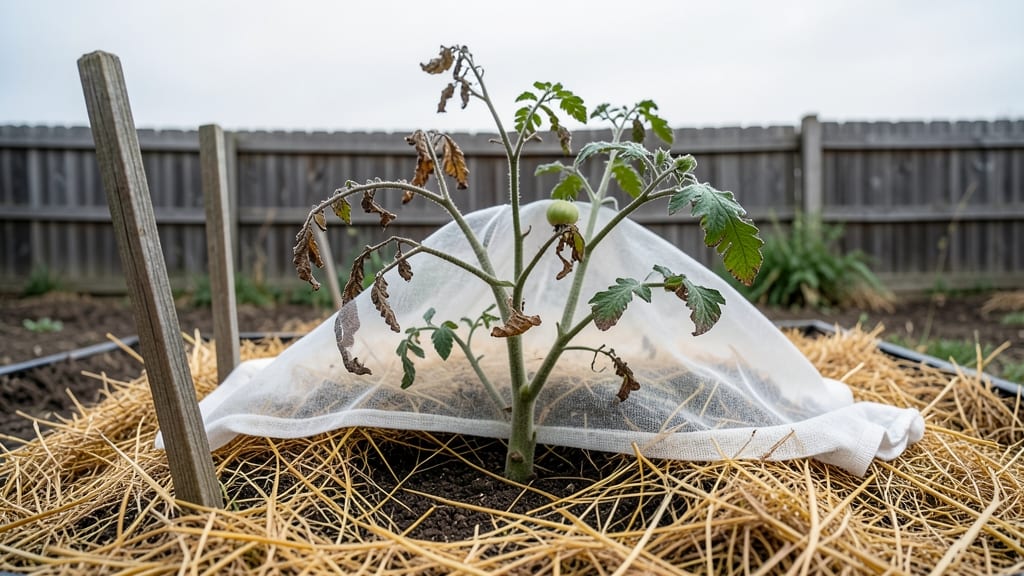
Tomato plants in winter aren't just possible—they're thriving in my sunroom right now. 🌱 I've learned that with the right light setup, you can keep your plants productive through the cold months, even in Zone 5 where outdoor growing stops by November.
The secret is mimicking summer conditions: 14-16 hours of light daily using LED grow bulbs, keeping temps above 55°F, and using a self-watering container to prevent dry soil. My plants stay compact but produce steady harvests of cherry tomatoes all winter long.
You'll end up with a continuous supply of homegrown tomatoes—no grocery store trips needed. The plants stay healthy, the fruit tastes fresher than store-bought, and you avoid the spring transplant shock that weakens many garden starts. Works for any indoor space with proper light, from basements to sunrooms.
Here's how to set it up without breaking the bank or your back.
Why it happens
Tomatoes are warm-weather lovers, and when winter rolls in, their growth can stall—or worse, they may suffer irreversible damage. Understanding the root causes of why tomato plants struggle in cold months helps you take proactive steps to protect them. Here’s why your plants might be fighting the chill:
🌡️ Temperature Drops Below Optimal Range
Tomatoes thrive in temperatures between 70–85°F (21–29°C) during the day and 55–65°F (13–18°C) at night. When winter temperatures dip below 40°F (4°C), metabolic processes slow down dramatically. Here’s what happens:
- Photosynthesis plummets: Cold air reduces chlorophyll activity, meaning your plants can’t convert sunlight into energy efficiently. Leaves may turn yellow (chlorosis) as nutrients stop flowing properly.
- Enzyme activity halts: Enzymes like RuBisCO (critical for carbon fixation) become sluggish in cold temps, stalling growth. This is why new leaves might appear stunted or deformed.
- Cell membrane damage: Cold can cause lipid phase transitions in cell membranes, making them rigid and unable to absorb water or nutrients. Symptoms? Wilting or blackened leaf edges.
Actionable fix: Move potted tomatoes indoors near a sunny window or invest in a grow light to maintain ideal temps. For outdoor plants, use row covers or a small greenhouse to create a microclimate.
❄️ Frost and Freezing Stress
Frost isn’t just a nuisance—it’s a silent killer for tomatoes. When ice crystals form on leaves or stems, they disrupt cellular structures, leading to:
- Ice crystal formation: Water inside plant cells expands as it freezes, rupturing cell walls (a process called cryoinjury). This causes brown, mushy spots on leaves and stems.
- Oxidative stress: Freezing triggers a spike in reactive oxygen species (ROS), which damage DNA and proteins. Your plant’s immune system goes into overdrive, diverting energy from growth to survival.
- Root zone shutdown: Even if leaves look intact, frozen soil prevents roots from absorbing water. Without hydration, the plant wilts within hours, even if temps rise.
Actionable fix: Cover plants with frost cloth or move containers to a sheltered spot before temps drop below 32°F (0°C). For outdoor beds, use black plastic mulch to insulate roots.
🌑 Reduced Sunlight Hours
Tomatoes need 6–8 hours of direct sunlight daily to produce fruit. In winter, shorter days and weaker sunlight (lower UV-B radiation) create a double whammy:
- Weakened photosynthesis: Shorter daylight reduces the photoperiod (light exposure time), limiting energy production. Leaves may turn pale or develop interveinal chlorosis (yellowing between veins).
- Hormonal imbalances: Low light triggers excess ethylene production, a hormone that accelerates aging and fruit drop. You might see blossoms falling off without setting fruit.
- Leggy growth: Stretched, weak stems (etiolation) occur as plants "reach" for light. This makes them more susceptible to pests and diseases.
Actionable fix: Supplement natural light with LED grow lights (12–16 hours/day) positioned 6–12 inches above plants. South-facing windows work temporarily, but artificial light is more reliable.
💧 Poor Water Uptake in Cold Soil
Cold soil acts like a sponge—it holds water tightly (high soil water potential), making it nearly impossible for roots to absorb moisture. This leads to:
- Transpiration imbalance: Even if soil looks moist, roots can’t pull up water fast enough to match the plant’s evaporative loss through leaves. Result? Wilting despite damp soil.
- Nutrient lockout: Cold slows microbial activity in soil, reducing the breakdown of organic matter. Essential nutrients like phosphorus and nitrogen become unavailable, causing deficiency symptoms (e.g., purple stems, yellow leaves).
- Root rot risk: If soil stays too wet (e.g., from melting snow or poor drainage), anaerobic conditions develop, promoting Pythium or Phytophthora fungi.
Actionable fix: Water deeply but infrequently (every 5–7 days) to encourage root growth toward warmer soil layers. Use mulch (straw or leaves) to insulate roots and retain moisture.
🦠 Pest and Disease Surges in Winter
Cold doesn’t stop pests—it invites them in. Many insects and pathogens thrive in winter’s damp, mild conditions:
- Fungal infections: Late blight (Phytophthora infestans) and early blight (Alternaria solani) spread faster in cool, humid air. Look for dark, greasy spots on leaves.
- Viral vectors: Aphids and whiteflies multiply in greenhouses or indoor setups, transmitting tobacco mosaic virus (TMV) or cucumber mosaic virus (CMV).
- Rodent damage: Mice and voles gnaw on stems or chew through roots in cold soil, creating entry points for bacteria.
Actionable fix: Inspect plants weekly for signs of infestation. Use neem oil or insecticidal soap for pests, and copper fungicides to prevent blight. Keep indoor areas dry and well-ventilated.
Revive Your Tomato Plants Now
Winter can be tough on tomato plants, but with the right fixes, you can nurse them back to health—or even keep them thriving indoors. Below are practical, step-by-step solutions tailored to common winter woes, plus prevention tips to avoid future struggles.
Cause: Insufficient light slows growth, causes pale leaves, and weakens stems.
How to Fix It: 🔥 Upgrade Your Grow Lights
- Swap outdated bulbs for full-spectrum LED grow lights (12–16 hours/day).
- Position lights 6–12 inches above plants for even coverage.
- Use a timer to automate lighting—consistency is key!
🍳 Maximize Natural Light
- Place plants near south-facing windows (or east/west if south isn’t an option).
- Rotate pots weekly to prevent uneven growth toward the light source.
👨🍳 Supplement with Reflective Surfaces
- Line shelves with white or silver foil to bounce light back onto leaves.
- Add mirrors at strategic angles for extra brightness.
Prevention Tip: 💡 Start with a light meter ($20–$50) to check intensity—tomatoes need 10,000–15,000 lux at leaf level!
Cause: Drafts, chilly temps, or sudden temperature drops shock plants.
How to Fix It: 🌡️ Create a Cozy Microclimate
- Move pots away from windows, doors, or AC vents (ideal temp: 60–75°F).
- Use a space heater with a thermostat (never let it exceed 80°F).
- Group plants together to retain warmth via collective heat.
🎯 Insulate the Roots
- Wrap pots in bubble wrap or frost cloth to protect roots from cold floors.
- Elevate containers on feet or trays to prevent heat loss.
✨ Acclimate Gradually
- If moving plants indoors from outdoors, harden them off over 3–5 days by reducing light exposure slowly.
Prevention Tip: 🔥 Use a heat mat ($15–$30) under pots to maintain root-zone warmth—critical for seedlings!
Cause: Winter’s low light + overzealous watering = soggy soil and fungal growth.
How to Fix It: 🔪 Trim the Damage
- Snip black, mushy stems with sterilized scissors (dip in rubbing alcohol first).
- Remove rotted roots if repotting—healthy roots are firm and white.
🥘 Repot in Fresh, Dry Mix
- Use a well-draining potting mix (add perlite or vermiculite for aeration).
- Choose pots with drainage holes—never reuse soggy containers.
⏰ Adjust Your Watering Routine
- Stick your finger 1–2 inches into soil—water only when dry to the touch.
- Water early in the day so excess drains away (prevents fungal growth).
- Bottom-water occasionally: Place pots in a tray of water for 10–15 mins, then drain.
Prevention Tip: 🌡️ Use a moisture meter ($10) to avoid guesswork—tomatoes hate "wet feet"!
Cause: Indoor environments (low humidity + dry air) attract pests that thrive on stressed plants.
How to Fix It: 🕷️ Isolate & Inspect
- Quarantine affected plants away from others to prevent spread.
- Check undersides of leaves and stems for webs, sticky residue (honeydew), or tiny bugs.
💡 DIY Sprays (Safe & Effective) - Neem oil spray: Mix 1 tsp neem oil + 1 tsp mild soap + 1 quart water.
Spray every 5–7 days until pests vanish. - Insecticidal soap: Spray directly on pests (reapply after rain or 24 hours). - Hydrogen peroxide (3%): Dilute 1 tbsp per quart of water—spray leaves to kill fungus gnats.
🎯 Long-Term Prevention
- Increase humidity with a pebble tray or humidifier (aim for 40–60%).
- Sticky traps near plants catch flying pests like gnats.
- Beneficial insects: Release ladybugs or predatory mites for natural control.
Pro Tip: 🔥 Spray plants in the early morning so leaves dry quickly—prevents fungal growth from moisture!
Final Note: Winter tomatoes need patience and precision, but with these fixes, your plants can bounce back—or even produce year-round with the right care! 🍅✨
Frequently asked questions
Can tomato plants survive indoors during winter?
Yes! With proper care, tomato plants can thrive indoors through winter. Use LED grow lights for 14-16 hours daily and maintain temperatures between 60-75°F. Choose compact varieties like 'Tiny Tim' or 'Patio Princess' for container growing. Just ensure good airflow and avoid drafts.
What's the best way to overwinter tomato plants outdoors?
For outdoor overwintering, protect plants with row covers or a small greenhouse to maintain warmth. Use black plastic mulch to insulate roots and water deeply but infrequently. Prune plants back by 1/3 before winter to reduce stress. In very cold climates, move potted plants to an unheated garage or basement.
How do I prevent leggy growth in indoor tomatoes?
Leggy growth happens from insufficient light. Position plants within 6-12 inches of grow lights and rotate them weekly. Use reflective surfaces like aluminum foil to maximize light exposure. Consider a south-facing window for supplemental natural light, but artificial lighting is more reliable for consistent growth.
Can I save tomato plants that have been frostbitten?
Sometimes! If only leaves are damaged, trim affected foliage back to healthy growth. For stem damage, check if green tissue remains below the frost line. If roots are intact, the plant may recover. Keep it warm and well-lit while it regrows. Discard plants with blackened, mushy stems as they won't recover.
What's the best indoor setup for winter tomato production?
The ideal setup includes LED grow lights, self-watering containers, and a small fan for airflow. Place plants on a heat mat if temperatures drop below 55°F. Use a light timer for consistent 14-16 hour days. A humidifier helps combat dry indoor air that attracts pests.