
Companion Plants
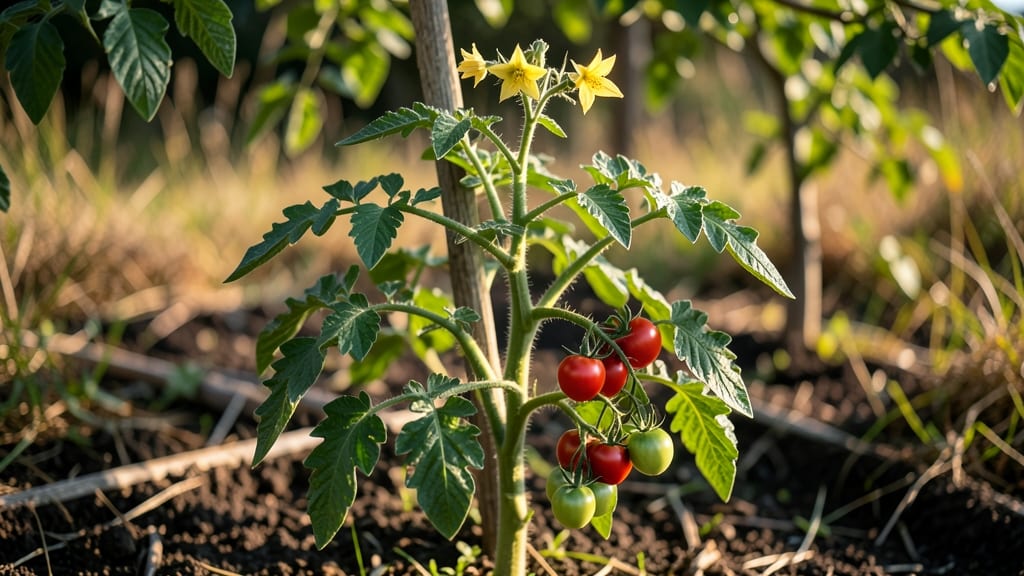
The life span of a tomato plant generally lasts 90 to 120 days from when you transplant it until harvest, though compact varieties can ripen in as few as 60-75 days, while heirloom types may thrive for up to 150 days before natural decline sets in. How well you care for it, your local climate, and which variety you choose all play huge roles in how long it stays productive.
The exact duration depends on whether you're growing bush varieties or vining types. Determinate tomatoes—those compact, bushy plants—tend to have shorter, more predictable life spans because they focus all their energy on one big harvest before fading.
Indeterminate varieties, on the other hand, keep producing fruit until frost kills them, sometimes for months if conditions stay ideal. 🌱 I've seen backyard gardeners in warm climates harvest from the same indeterminate plants for over six months, though that's more exception than rule.
What's fascinating is how environmental factors like temperature and sunlight interact with a plant's biology. For example, tomatoes need consistent warmth to set fruit—below 55°F and they'll stop producing, while extreme heat above 90°F can cause blossom drop.
That's why I always recommend planting heat-tolerant varieties like 'Solar Fire' in hotter regions, or using shade cloth during peak afternoon sun.
💡 In This Article
- Factors That Influence Tomato Plant Life Span
- Maximizing Tomato Plant Longevity with Gardening Strategies
Factors that influence tomato plant life span
The most fundamental factor shaping a tomato's life span is its genetic makeup—specifically whether it's determinate or indeterminate. Determinate varieties like 'Roma' or 'Celebrity' grow in compact bushes and produce all their fruit in a single flush, typically maturing in 60-75 days before declining.
Their life cycle is tightly programmed to focus energy on one harvest, after which the plant naturally senesces. Indeterminate types like 'Sungold' or 'Beefsteak' grow continuously, producing fruit throughout the season until frost or disease intervenes—sometimes for 150+ days in ideal conditions.
Temperature acts as a critical regulator of tomato development. These plants thrive in 70-85°F ranges, where they flower and fruit efficiently. Below 55°F, pollen production drops dramatically, causing blossom end rot and stunted growth. Meanwhile, sustained heat above 90°F triggers blossom drop as the plant conserves energy.
I've noticed in my own garden that indeterminate varieties in hot climates often recover better from heat stress by producing new shoots, while determinate types show more permanent damage when exposed to extreme temperatures.
Water stress is another silent life-span killer. Tomato plants need 1-2 inches of water per week, but inconsistent moisture—especially during flowering—can shorten their productive window by 20-30 days. Drought conditions cause flowers to abort, while overwatering leads to root rot and fungal diseases like early blight.
The key is maintaining even soil moisture; I've found drip irrigation systems deliver the most consistent results, keeping roots hydrated without surface evaporation.
Nutrient deficiencies accelerate decline by weakening the plant's immune system. A lack of phosphorus (critical for flowering) or potassium (essential for fruit development) shows up as yellowing leaves or poor fruit set.
I always recommend a balanced fertilizer like 10-10-10 at planting, followed by a low-nitrogen supplement (like 5-10-10) once flowers appear. Organic options like composted manure or bone meal work well too, providing slow-release nutrients that support long-term health.
Disease pressure is perhaps the most unpredictable factor. Fungal infections like late blight can turn a healthy plant into a withered husk in 7-10 days, while viral diseases often go unnoticed until yield drops dramatically.
In my experience, the best defense is prevention—rotating crops annually, removing diseased foliage immediately, and using copper sprays preventatively. Varieties with disease resistance (like 'Mountain Merit' for blight) can extend life spans by 30-50 days in high-risk areas.
Light exposure plays a subtle but vital role too. Tomatoes need 6-8 hours of direct sunlight daily, but too much intense afternoon sun (especially in hot climates) can scorch leaves and reduce photosynthesis.
I've seen plants in full southern exposure produce 20% fewer fruits than those with afternoon shade, even when watered identically. The solution? Lightweight shade cloth (30-50% coverage) during peak heat periods can maintain vigor without stunting growth.
What most gardeners don't realize is how these factors interact. For example, a phosphorus deficiency might reduce flowering by 40%, but if combined with heat stress, the actual fruit set could drop by 70%.
That's why I always recommend testing soil pH (ideal range: 6.0-6.8) and monitoring plants weekly for early signs of stress. The goal isn't just to extend life span—it's to maximize the productive window when tomatoes are most vulnerable to environmental pressures.