
Plants
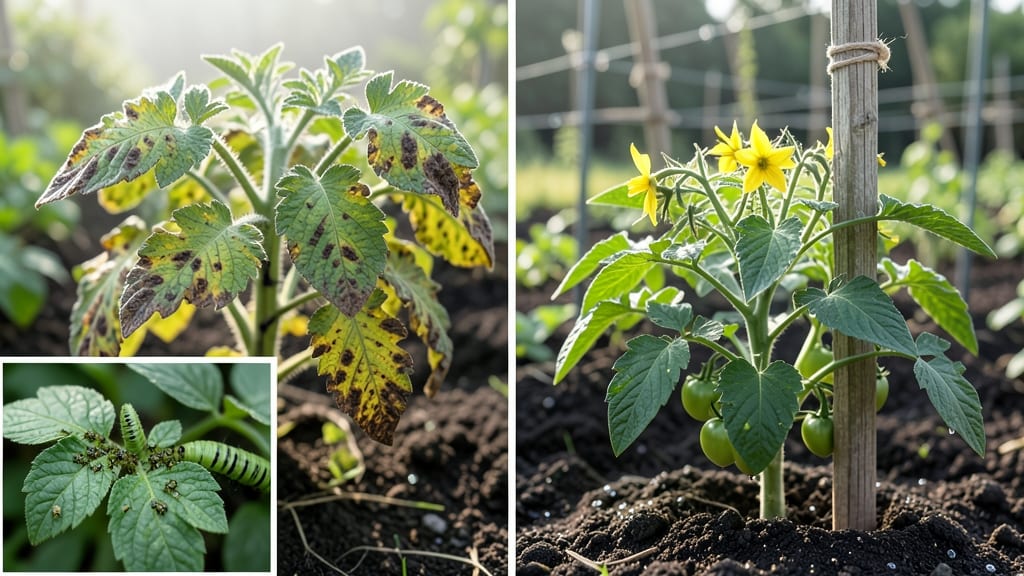
Tomato plant growing problems can turn your garden dreams into a wilting nightmare—but I’ve fixed every single one of these issues in my own backyard. 🌱 From crinkled leaves to fruit that never ripens, there’s always a reason (and a solution) behind the struggle.
Most problems start with one of three things: water, soil, or pests. Too much water? Roots drown. Not enough? Leaves curl. Too many aphids? They suck the life right out.
The good news? Each fix takes 10 minutes or less once you know what to look for—and I’m breaking it down so you can spot the issue fast.
You’ll learn to diagnose yellow leaves, blossom end rot, and stunted growth by just looking at the plant. No guesswork, no wasted time. With these fixes, your tomatoes will go from sad to sun-ripened perfection in days, not weeks.
Whether it’s early blight, hornworms, or nutrient hunger, I’ve got the exact steps to turn things around—without chemicals if you prefer organic methods. Let’s get those plants back on track.
Root causes behind tomato troubles
Tomatoes are resilient, but even the hardiest plants can fall victim to stress when conditions go awry. Understanding why these problems occur is half the battle—because once you know the how and why, you can fix them faster.
Let’s break down the science behind the most common tomato plant growing problems, so you can diagnose like a pro.
Tomatoes need consistent moisture, but too much water (or soggy soil) is a silent killer.
When roots sit in waterlogged soil, they suffocate due to lack of oxygen, leading to: - Root rot (fungal infections like Phytophthora or Pythium) - Blossom end rot (calcium uptake fails when roots can’t function) - Yellowing leaves (nutrient starvation from poor oxygen)
Why it happens:
- Compacted or clay-heavy soil traps water, preventing roots from breathing.
- No drainage holes in containers force water to pool at the bottom.
- Overzealous watering (especially in cool weather) when plants don’t need it.
Fun fact: Tomato roots thrive in soil that’s 60-70% air and only 30-40% water. If your soil feels squishy like a sponge, it’s too wet!
On the flip side, skipping water when tomatoes need it stresses the plant, causing:
- Wilting (even in moist soil—this is called physiological drought)
- Blossom drop (plants abort flowers to conserve energy)
- Sunburned fruit (when leaves wilt, fruits bake in the sun)
Why it happens:
- Inconsistent watering (e.g., deep soaks followed by dry spells).
- Shallow root systems (young plants or those in small pots can’t reach deep moisture).
- High temperatures + low humidity (water evaporates faster than roots can absorb it).
Pro tip: 💡 Water deeply 1-2 times per week (more in extreme heat) and aim for 1-1.5 inches of water per week. Mulch with straw to lock in moisture!
Tomatoes are heavy feeders, and if soil lacks key nutrients, problems arise fast.
Common deficiencies include: - Nitrogen (N) deficiency → Pale yellow leaves (starts with older leaves). - Potassium (K) deficiency → Weak stems, brown leaf edges, poor fruit quality. - Calcium (Ca) deficiency → Blossom end rot (even with "perfect" watering!). - Magnesium (Mg) deficiency → Interveinal chlorosis (yellow patches between veins).
Why it happens:
- Poor soil quality (sandy or depleted soil lacks organic matter).
- Improper fertilization (too much nitrogen = lush leaves but few tomatoes; too little = stunted growth).
- pH imbalances (tomatoes prefer 6.0-6.8 pH; outside this range, nutrients lock up).
Fix it: 🔥 Test your soil and amend with compost, aged manure, or a balanced fertilizer (10-10-10 or 5-10-10). For calcium, side-dress with crushed eggshells or gypsum.
Tomatoes attract pests and pathogens like a magnet.
The most destructive culprits include: - Aphids, whiteflies, or spider mites → Stunted growth, curled leaves, sticky residue (honeydew). - Fungal diseases (early blight, late blight, powdery mildew) → Spots, mold, or leaf drop. - Bacterial infections (e.g., bacterial spot) → Dark, water-soaked lesions.
Why it happens:
- Crowded plants (poor airflow = fungal feasts).
- Overhead watering (splashing soil onto leaves spreads spores).
- Weak plants (stressed tomatoes can’t fight off invaders).
Prevent it: 🌡️ Space plants 18-24 inches apart, water at the base, and rotate crops yearly to break disease cycles.
Tomatoes are warm-weather lovers, and extreme temps throw them off:
- Too hot (>90°F) → Blossom drop (flowers abort due to heat stress).
- Too cold (<50°F at night) → Blackened leaves, stunted growth (cold disrupts photosynthesis).
- Insufficient light → Leggy, weak stems; small, poor-quality fruit.
Why it happens:
- Late frosts or early freezes (tomatoes die if exposed to temps below 50°F).
- Shade from buildings or trees (tomatoes need 6-8 hours of direct sun).
- Greenhouse heat buildup (without ventilation, temps can spike dangerously).
Solution: ✨ Use row covers for frost protection, prune lower leaves to improve airflow, and choose heat-tolerant varieties (e.g., ‘Solar Fire’ or ‘Heatmaster’).
Tomatoes hate soil that’s too acidic or alkaline. Symptoms of pH problems:
- Alkaline soil (pH >7.0) → Iron, manganese, or zinc deficiencies (yellow leaves with green veins).
- Acidic soil (pH <5.5) → Aluminum toxicity (stunted roots, poor growth).
Why it happens:
- Native soil (many regions have naturally alkaline clay or acidic sandy soil).
- Over-fertilizing with lime (raises pH too high).
- Using acidic amendments (like peat moss) without balancing them.
Test and adjust: 🎯 Use a soil test kit and amend with:
- Lime (to raise pH) or
- Sulfur/peat moss (to lower pH).
Even after buying healthy seedlings, rough handling can derail growth:
- Root damage → Wilting, slow recovery, or death.
- Overcrowding in containers → Competition for nutrients/water.
- Sudden environment changes (e.g., moving from greenhouse to outdoor heatwave).
Why it happens:
- Disturbed root balls when transplanting (roots break easily!).
- Too-small pots (roots circle and strangle themselves).
- Temperature/humidity swings (e.g., moving from a cozy nursery to a windy garden).
Prevent shock: 🌱 Harden off seedlings (acclimate to outdoor conditions over 7-10 days), plant deeply (buried stems grow more roots), and water thoroughly after transplanting.
Quick Fixes for Tomato Troubles
Got a tomato plant throwing red flags? Don’t panic—most issues have simple, actionable fixes. Below, we map common tomato plant problems to their solutions, with step-by-step guidance and pro tips to keep your garden thriving. 🌱🍅
Fix:
- Boost Calcium 🥛
- Mix 1 tablespoon of calcium-rich material (crushed eggshells, lime, or bone meal) into the soil around the plant.
- For faster results, spray diluted calcium nitrate (1 tbsp per gallon of water) on leaves every 2 weeks.
- Keep Soil Moist (But Not Soggy) 💧
- Water deeply 1–2 times per week (adjust for climate). Uneven moisture triggers this issue.
- Use mulch (straw or grass clippings) to retain moisture and prevent soil crusting.
- Adjust pH if Needed 📊
- Test soil pH (ideal: 6.0–6.8). If too acidic (<5.5), add pelletized lime to raise it.
Prevent It:
- Avoid over-fertilizing with nitrogen (stick to balanced 10-10-10 or tomato-specific fertilizer).
- Water consistently—never let the soil dry out completely between waterings.
Fix:
- Handpick or Spray 👨🍳
- For hornworms: Pluck them off (they’re huge and easy to spot!) and drop them in soapy water.
- For aphids/whiteflies: Blast them off with a strong spray of water or use neem oil (1 tsp per quart of water, spray at dusk).
- Attract Beneficial Bugs 🐞
- Plant basil, marigolds, or dill nearby to lure ladybugs and parasitic wasps (natural predators).
- Hang yellow sticky traps to catch whiteflies.
- Soap Spray for Stubborn Infestations 🧼
- Mix 1 tbsp mild liquid soap + 1 quart water, spray directly on pests (avoid flowers to protect bees).
Prevent It:
- Rotate crops yearly to disrupt pest life cycles.
- Inspect plants weekly—catch infestations early!
Fix:
- Diagnose the Cause 🔍
- Lower leaves yellowing? → Likely nitrogen deficiency or overwatering. Fix: Fertilize with balanced fertilizer (e.g., 10-10-10) or compost tea.
- Upper leaves yellowing? → Magnesium (potassium) deficiency or sunburn. Fix: Apply Epsom salt (1 tbsp per gallon of water) or move plants to partial shade if scorched.
- Yellow + crispy edges? → Fungal disease (early blight or septoria leaf spot). Fix: Remove infected leaves, space plants for airflow, and spray with copper fungicide.
- Check Watering Habits 💦
- Yellow leaves often mean overwatering or poor drainage. Let soil dry 1–2 inches deep between waterings.
Prevent It:
- Test soil before planting—amend with compost if deficient.
- Water at the base (not leaves) to prevent fungal spread.
Fix:
- Prune for Strength ✂️
- Trim suckers (shoots between stem and branches) to redirect energy to fruit production.
- Pinch back the top of the plant if it’s growing too tall (encourages bushier growth).
- Fertilize Right 💪
- Switch to a low-nitrogen, high-phosphorus fertilizer (e.g., 5-10-10) to boost flowering/fruiting.
- Avoid over-fertilizing—too much nitrogen = leafy monsters, no tomatoes!
- Check Light Exposure ☀️
- Tomatoes need 6–8 hours of sun daily. Move plants to a sunnier spot or use a grow light indoors.
Prevent It:
- Start with strong seedlings (buy from reputable nurseries or grow from heirloom seeds).
- Use cages or stakes early to support growth.
Fix:
- Shade Cloth to the Rescue 🏖️
- If temps hit 90°F+, drape 30–50% shade cloth over plants for a few hours daily.
- Mulch heavily to keep roots cool.
- Water Deeply in Heatwaves 🌊
- Water early morning (1–2 inches per week) to prevent stress.
- Avoid wetting leaves at night (encourages disease).
- Harvest Early 🍅🚀
- Pick tomatoes before they fully ripen if heat is extreme. They’ll ripen indoors on a windowsill.
Prevent It:
- Choose heat-tolerant varieties (e.g., ‘Solar Fire’, ‘Heatmaster’).
- Plant in late spring/early summer to avoid peak heat.
Fix:
- Improve Airflow 🌬️
- Space plants 18–24 inches apart and prune crowded foliage.
- Remove infected leaves immediately (don’t compost them—dispose in trash).
- Copper or Baking Soda Spray 🧴
- Copper fungicide: Follow label instructions for early blight/late blight.
- Baking soda spray: Mix 1 tbsp baking soda + 1 tsp oil + 1 tsp soap per gallon of water. Spray every 7–10 days.
- Preventive Mulching 🛡️
- Use straw or black plastic mulch to block soil-borne fungi from splashing onto leaves.
Prevent It:
- Rotate crops—don’t plant tomatoes in the same spot yearly.
- Water at the base (never overhead).
Pro Tip: 💡 Keep a garden journal! Note what works (and what doesn’t) each season to refine your fixes year after year.
Frequently asked questions
Why are my tomato leaves turning yellow?
Yellow leaves usually mean overwatering or nutrient deficiency. Check soil moisture—it should feel damp but not soggy. For lower leaves, try a balanced fertilizer (10-10-10) or compost tea. If upper leaves yellow, it may be magnesium deficiency—spray with Epsom salt (1 tbsp/gallon).
How do I fix blossom end rot on my tomatoes?
Blossom end rot happens when calcium uptake fails, often from uneven watering or compacted soil. Fix it by watering consistently (aim for 1-1.5 inches per week) and side-dressing with crushed eggshells or lime. Mulch helps maintain moisture too.
What should I do if my tomato plants have holes in the leaves?
Those holes are likely from hornworms or tomato fruitworms. Handpick them (they’re big and easy to spot!) or spray with neem oil (1 tsp/quart of water). For severe cases, use Bt (Bacillus thuringiensis), an organic bacteria that kills caterpillars.
Can I still save my tomato plant if it’s wilting?
Wilting can mean underwatering or overwatering. First, check soil moisture—if dry, water deeply. If soggy, reduce watering and improve drainage. For heat stress, provide afternoon shade with shade cloth (30-50%) and mulch heavily. Most plants recover within 24-48 hours if roots aren’t rotted.
How do I prevent fungal diseases like early blight?
Fungal diseases thrive in crowded, damp conditions. Space plants 18-24 inches apart, water at the base (never overhead), and remove infected leaves immediately. Use copper fungicide or a baking soda spray (1 tbsp/gallon) every 7-10 days. Mulch with straw to block spores from splashing.