
Planting
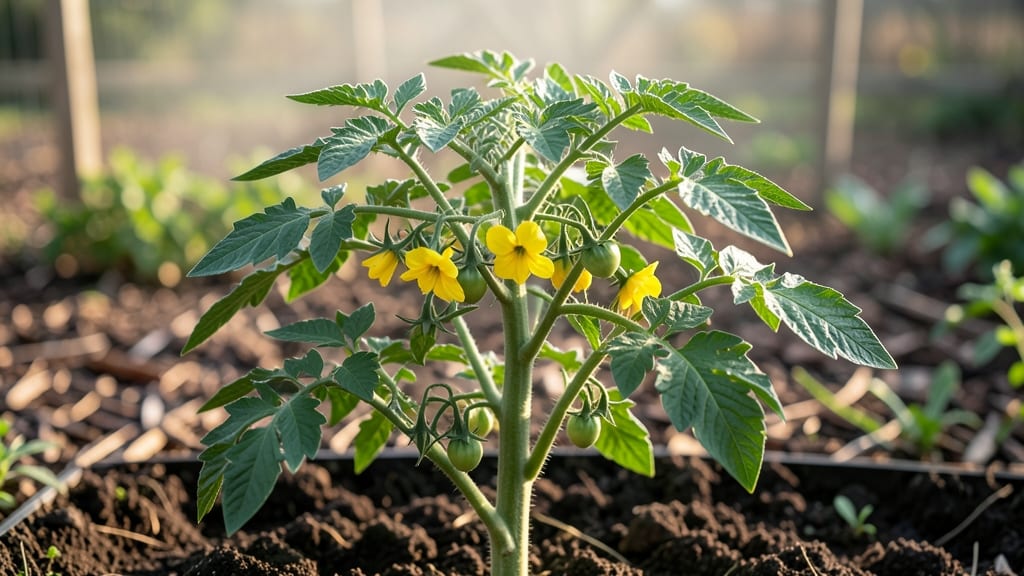
Tomato plants flowering early can mean a harvest months ahead of schedule—if you know how to handle it. 🌱 I learned the hard way that early blooms don’t always translate to fruit, especially when nighttime temps still flirt with 60°F. The key isn’t stopping the flowers but giving them the right conditions to set fruit reliably.
Early flowering often happens with warm-season varieties planted too soon or in hot climates where days stretch long before soil warms properly. Some heirlooms naturally bolt faster, but even hybrids can rush blooms if stressed by inconsistent water or poor nutrition.
The trick? Balancing heat, light, and moisture to keep those flowers happy.
You’ll see thicker stems, darker green leaves, and fruit that actually stays on the vine instead of dropping.
Prune suckers aggressively to focus energy on existing flowers, and use shade cloth if daytime temps hit 90°F. A balanced fertilizer with extra phosphorus (the middle number) encourages stronger roots and fruit development.
This works for container growers, raised beds, and in-ground gardens alike. The same principles apply whether you’re dealing with a single plant or a full greenhouse full. Let’s turn those early blooms into a bountiful harvest.
Triggers Behind Early Blooms
If your tomato plants are flowering early—sometimes even before they’ve established strong roots or sturdy stems—don’t panic. Nature (and your garden’s environment) might be sending mixed signals.
Understanding the key triggers behind premature flowering helps you adjust conditions to delay blooms until plants are ready for fruit set. Here’s why it happens:
Tomatoes are temperature-sensitive, and sudden warmth can trick them into flowering before they’re ready. Here’s how:
- Day-night temperature swings: Tomatoes need a consistent temperature range (ideally 70–85°F during the day, 60–70°F at night). If nights stay too warm (above 75°F), plants may bolt (send up flowers) prematurely to reproduce before stress sets in.
- Cold snaps followed by heat: A brief cold period (like spring frosts) can pause growth, and when warm weather returns, plants may rush to flower as a survival tactic.
- Greenhouse or indoor heat: Artificial warmth (e.g., grow lights, heated benches) can accelerate flowering in seedlings, leading to weak stems and small fruits.
Pro tip: 🌡️ Use a thermometer to monitor temps. If nights are too warm, shade plants slightly or use row covers to cool them down.
Tomatoes are short-day plants, meaning they flower in response to day length (photoperiod). But light intensity and duration also play a role:
- Too much sunlight too soon: Seedlings exposed to full sun before they’re hardened off may flower early to escape stress. Weak stems can’t support the weight of fruit.
- Artificial light overuse: Grow lights left on for 16+ hours/day can trick seedlings into thinking it’s summer, prompting early blooms.
- Sudden light changes: Moving plants from shade to full sun (or vice versa) can disrupt their internal clock, causing stress-induced flowering.
Pro tip: 🌿 For seedlings, limit light to 12–14 hours/day until they have 2–3 true leaves. Gradually increase sun exposure outdoors.
Water acts as a growth regulator in tomatoes. Too much or too little can send plants into emergency mode:
- Drought stress: When soil dries out, tomatoes may flower early to reproduce before dying. This is common in sandy or well-draining soils.
- Overwatering or poor drainage: Roots struggling in soggy soil can’t absorb nutrients efficiently, leading to stunted growth and premature flowering.
- Inconsistent watering: Fluctuating moisture levels confuse the plant’s hormonal balance, triggering early blooms as a survival response.
Pro tip: 💧 Keep soil consistently moist (not soggy) and use mulch to retain even moisture. Avoid watering seedlings until the top inch of soil is dry.
Fertilizer type and timing directly impact flowering. Tomatoes need a balanced NPK ratio (e.g., 5-10-10 or 3-4-6), but too much nitrogen (the first number) delays blooms:
- Excess nitrogen: Promotes leafy growth at the expense of flowers. Plants may produce lush foliage but hold off on blooming until nitrogen depletes.
- Phosphorus deficiency: Phosphorus (P) is critical for flower and fruit development. A lack of it can cause small, weak flowers or early senescence (aging).
- Potassium shortages: Potassium (K) helps regulate water and nutrient uptake. Without enough, plants may flower early but produce poor-quality fruit.
Pro tip: 📊 Use a soil test to check nutrient levels. Switch to a low-nitrogen, high-phosphorus fertilizer (like 2-5-3) once plants are established.
Not all tomatoes are created equal! Some varieties are early bloomers by design:
- Determinate varieties: These bush types (e.g., ‘Roma,’ ‘Celebrity’) are bred to flower and fruit quickly, often setting blooms within 6–8 weeks of transplanting.
- Heat-tolerant hybrids: Some modern hybrids (e.g., ‘Heatmaster,’ ‘Solar Fire’) are genetically programmed to flower early to handle high temperatures.
- Older heirloom varieties: Some, like ‘Brandywine,’ may take longer to mature but can bolt (flower) early if stressed.
Pro tip: ✨ If you’re growing heirlooms, choose indeterminate types for delayed flowering. For determinate varieties, accept early blooms but prune suckers to direct energy to fruit.
When tomatoes feel threatened, they may rush to reproduce before damage worsens:
- Root damage (nematodes, fungus): Poor root health limits nutrient uptake, causing plants to flower early as a last resort.
- Viral infections (e.g., tomato mosaic virus): Viruses can disrupt hormonal signals, leading to stunted growth and premature blooming.
- Herbivore stress (deer, rabbits, insects): Chewed leaves or stems trigger a stress response, prompting early flowering to complete the life cycle.
Pro tip: 🛡️ Inspect plants for chew marks, wilting, or yellowing. Treat soil with neem oil or beneficial nematodes to protect roots.
Fixing premature blooms in tomatoes
Early flowering in your tomato plants can be frustrating, but the good news is that most causes have simple, effective fixes. Below, we’ve mapped out the most common triggers for early blooms and the best ways to address them—plus tips to keep your plants on track for a bountiful harvest.
Cause: Extreme temperatures (either too hot or too cold) can shock your tomato plant into flowering early, especially if it’s not yet hardened off or acclimated to outdoor conditions.
How to Fix It: 🔥 Adjust Planting Timing
- If you planted too early in spring (before the last frost but when nights are still chilly), move potted plants to a sheltered spot or indoors during cold snaps. Use a frost cloth or row cover to protect them overnight.
- Conversely, if summer heat is triggering early blooms, provide shade cloth (30-50%) during peak afternoon sun to keep soil and air temps cooler.
🌡️ Hardening Off Properly - If seedlings were rushed indoors or in a greenhouse, gradually expose them to outdoor conditions over 7-10 days before transplanting.
Start with 2-3 hours of sunlight daily and increase exposure. - Avoid transplanting when nighttime temps drop below 50°F (10°C)—wait until soil is at least 60°F (15°C).
Prevention Tip: ✨ Use slow-release fertilizer with a balanced NPK ratio (like 10-10-10) at planting time. This ensures steady growth without sudden spikes that can trigger early flowering.
Cause: Too much water (or drought stress followed by sudden soaking) can confuse your plant, causing it to think it’s time to reproduce. Poor drainage or compacted soil also plays a role.
How to Fix It: 💧 Check Your Watering Routine
- Water deeply but less frequently—aim for 1-1.5 inches of water per week, delivered at the base (not overhead). Let the top inch of soil dry out between waterings to prevent root rot.
- If your soil is clay-heavy or poorly draining, mix in compost or perlite to improve aeration. Raised beds or containers with drainage holes also help.
🌱 Mulch to Regulate Moisture
- Apply 2-3 inches of organic mulch (straw, grass clippings, or wood chips) around the base of the plant. This keeps soil temps stable and reduces evaporation.
Prevention Tip: 💡 Use a moisture meter to monitor soil conditions. Tomatoes prefer consistent moisture—avoid letting them dry out completely or sitting in soggy soil.
Cause: Excess nitrogen (common with fresh manure, over-fertilizing, or synthetic fertilizers high in N) promotes leafy growth at the expense of fruit production. Once the plant gets "leafed out," it may flower prematurely.
How to Fix It: 🍽️ Switch to a Balanced Fertilizer
- Stop using high-nitrogen fertilizers (like lawn fertilizer) and switch to a low-nitrogen, high-phosphorus formula (e.g., 5-10-10 or 3-4-6). Phosphorus supports root and flower development.
- Organic options: Compost tea, bone meal, or fish emulsion (diluted to half strength) work well.
🌱 Prune Aggressively (If Needed) - If your plant has too many leaves and few flowers, prune back 1/3 of the foliage to redirect energy to fruit production.
Focus on removing lower leaves and any suckers (side shoots). - Warning: Avoid heavy pruning if your plant is still small—wait until it’s at least 12 inches tall.
Prevention Tip: 🎯 Soil test first! If your soil is already nitrogen-rich, skip the fertilizer entirely and focus on compost or aged manure for a slow-release boost.
Cause: Some tomato varieties (especially determinate or heirloom types) are sensitive to daylight hours. If they experience long nights or short days too early, they may flower prematurely.
How to Fix It: ⏰ Extend Light Exposure
- If planting in early spring or fall, supplement with a grow light (12-14 hours of light daily) to delay flowering until the plant is stronger.
- For container-grown tomatoes, move them to a sunnier location (south-facing window or balcony) if natural light is insufficient.
🌱 Choose the Right Variety
- If early blooming is a recurring issue, opt for indeterminate varieties (like ‘Sungold’ or ‘Better Boy’) or heat-tolerant hybrids (e.g., ‘Heatmaster’ or ‘Solar Fire’), which are less sensitive to daylength.
Prevention Tip: 💡 Start seeds indoors 6-8 weeks before the last frost and keep them under grow lights until they’re sturdy enough to handle outdoor conditions.
Cause: Attacks from aphids, whiteflies, or fungal diseases (like early blight) weaken the plant, causing it to flower as a survival mechanism.
How to Fix It: 🚫 Inspect and Treat Infestations
- Pests: Spray with neem oil or insecticidal soap (follow label instructions). For severe cases, use pyrethrin-based sprays.
- Diseases: Remove infected leaves and treat with copper fungicide or baking soda spray (1 tbsp baking soda + 1 quart water + a few drops of soap).
🌿 Boost Plant Health
- Strengthen roots with a mycorrhizal fungus (available as a powder) to improve nutrient uptake.
- Rotate crops next season to prevent soil-borne diseases.
Prevention Tip: 🔥 Preventative sprays (like garlic or chamomile tea) can deter pests before they cause stress.
While fixing the root cause is key, these quick adjustments can help your tomato plant focus on growth instead of flowering too soon:
- Prune suckers regularly (remove side shoots that form in the leaf axils).
- Pinch off the first few flowers if your plant is still small—this encourages more foliage and stronger stems.
- Avoid stress triggers like transplant shock, sudden temp changes, or overcrowding.
By addressing the specific cause of early flowering, you’ll give your tomato plants the best chance to grow strong, develop robust vines, and produce a late-season bounty—just when you’re ready to harvest! 🍅🌿
Frequently asked questions
Why are my tomato plants flowering before they have strong stems?
Early flowering often happens when plants experience temperature swings or stress—like sudden warmth after cold nights or inconsistent watering. Tomatoes need stable conditions (daytime 70-85°F, nighttime 60-70°F) to develop sturdy stems before supporting fruit. If your seedlings were planted too early or exposed to heat stress, they may bolt prematurely to reproduce.
Can I safely remove early flowers to delay fruiting?
Yes! Pinching off the first few flowers when your plant is still small (12 inches tall) helps redirect energy to stem and leaf growth. Focus on removing flowers near the base first—this encourages stronger vines that can support later blooms. Just avoid heavy pruning, as it can stress young plants.
What’s the best fertilizer to prevent early flowering?
Use a low-nitrogen, high-phosphorus fertilizer (like 5-10-10 or 3-4-6) once plants are established. Too much nitrogen (first number) promotes leafy growth but delays blooms. For organic options, try bone meal or compost tea. Always test your soil first—rich nitrogen soil can trigger early flowering.
Will shade cloth help if my plants are flowering too early?
If daytime temps exceed 85°F, use 30-50% shade cloth to cool plants and delay flowering. This works especially well for greenhouse or container-grown tomatoes. Just ensure they still get 6-8 hours of direct sunlight daily for healthy growth.
Are determinate tomato varieties more likely to flower early?
Yes, determinate varieties (like ‘Roma’ or ‘Celebrity’) are bred to flower and fruit quickly—often within 6-8 weeks of transplanting. If you want to delay blooms, choose indeterminate types (like ‘Sungold’ or ‘Better Boy’) or heat-tolerant hybrids (e.g., ‘Heatmaster’). These focus on vine growth before flowering.