
How To
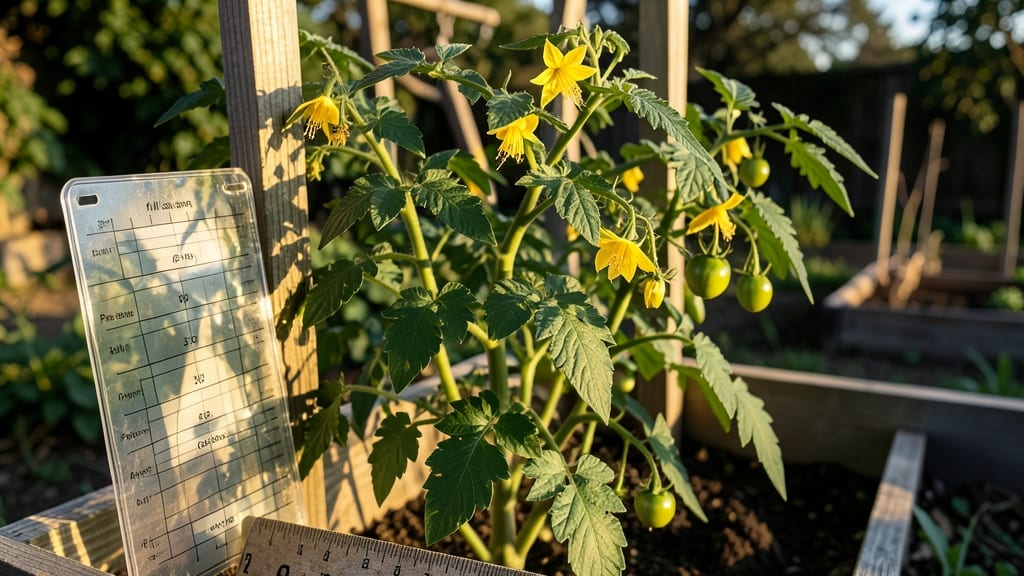
Tomato plants need 6 to 8 hours of direct sunlight daily to produce juicy, flavorful fruit—any less and you’ll end up with bitter, undersized tomatoes.
Picture this: you’ve spent weeks nurturing your 🍅 seedlings, only to watch them stretch toward the light like they’re reaching for a handout. That’s your plants begging for more sun, and it’s not just about size—it’s about taste, too.
Too little light means fewer flowers, fewer fruits, and a harvest that falls short of your expectations.
But here’s the thing: not all tomatoes are created equal. Heirloom varieties might demand that full sun, while some modern hybrids can tolerate a little afternoon shade.
The key is understanding your plant’s needs and tweaking your garden setup to match—whether that means moving containers, adjusting pruning, or even choosing the right spot in your yard.
In this guide, I’ll break down exactly how much sunlight your tomatoes need, how to spot when they’re getting too much or too little, and the simple tricks to maximize fruit production—even if your garden isn’t the sunniest on the block.

Optimal sunlight hours for tomato plants by variety type
Tomatoes are sun-lovers, but not all varieties thrive under the same sunlight conditions. I’ve grown heirloom, cherry, beefsteak, and hybrid tomatoes for years, and the difference in sunlight needs can make or break your harvest.
Too little sun leads to small, bland fruit with poor color, while too much can cause leaf scorch or sunburn. Let’s break down the exact sunlight requirements for each type so you can maximize your yield.
Most tomato varieties need 6-8 hours of direct sunlight daily for optimal growth. However, some cherry tomatoes and compact hybrids can tolerate slightly less, while large beefsteaks and heirlooms demand more. The key is understanding how sunlight affects flavor, size, and yield for each variety.
For example, heirloom tomatoes often develop deeper flavors with full sun, while cherry tomatoes may produce more fruit in partial shade.
Here’s the critical breakdown you need to know before planting:
If you’re growing heirloom or beefsteak varieties, prioritize the sunniest spot in your garden. These plants need at least 8 hours of direct sunlight to develop their signature sweetness and size.
I once grew a Brandywine heirloom in partial shade, and the fruit was small, pale, and bland—a lesson I won’t repeat!
For cherry and hybrid tomatoes, you have more flexibility. These varieties can thrive with 6-8 hours of sunlight, making them ideal for containers, balconies, or urban gardens with limited space.
My Sungold cherry tomatoes in a south-facing pot produced hundreds of fruit all season with just 7 hours of sun. However, even these varieties will yield better with more sunlight.
Partial shade can actually benefit tomatoes in hot climates by preventing leaf scorch. If you live in a region with intense afternoon sun, provide afternoon shade using a lightweight shade cloth (30-50%).
This protects leaves while still allowing enough light for fruit development. I use a removable shade net on my beefsteak tomatoes during peak summer afternoons, and it’s made a noticeable difference in leaf health.
Shade also affects flowering and pollination. Tomatoes need sunlight to produce healthy flowers, which then develop into fruit. If your plants are in too much shade, they may produce fewer flowers or weak stems, leading to poor yields.
I’ve seen cherry tomato plants in low-light conditions produce tiny, underdeveloped fruit—a clear sign they need more sun.
Pro tip: Monitor your plants’ growth patterns to gauge sunlight needs. If your tomatoes are growing tall and leggy with few leaves, they’re stretching toward light. This is a classic sign of insufficient sunlight. On the flip side, if leaves turn yellow or crispy, they’re getting too much direct sun. Adjust accordingly by pruning lower leaves or moving plants to
How to adjust sunlight for maximum fruit production (even in shady spots)
If your garden gets less than 6 hours of sun daily, don’t give up on tomatoes! With smart adjustments, you can still grow flavorful, productive plants.
The key is compensating for limited light with reflective surfaces, pruning strategies, and companion planting—all while avoiding common pitfalls like stunted growth or poor fruit set.
Even partial shade varieties need at least 4 hours of direct sunlight to produce meaningful yields. Without adjustments, you’ll likely end up with small, bitter fruit or weak vines that struggle to support heavy tomatoes. Here’s how to hack your garden’s light conditions for better results.
- 1. Use reflective surfaces like white gravel, mirrors, or aluminum foil to bounce 20-30% more light onto plants. Place them 1-2 feet away from your tomatoes for best results.
- 2. Prune strategically by removing lower leaves to improve air circulation and let light reach the fruit-bearing stems. Focus on leaves below the first flower cluster.
- 3. Choose dwarf or bush varieties like ‘Tiny Tim’ or ‘Patio Princess’, which thrive in 4-6 hours of sun and produce compact, high-yield fruit.
For container growers, black pots absorb heat while white or silver pots reflect light—opt for the latter if your balcony gets only morning sun. Rotate containers quarter-turns weekly to ensure even light exposure, especially for indeterminate varieties that grow tall.
Companion planting can also help! Pair tomatoes with basil or marigolds, which improve growth and deter pests while shading the soil to retain moisture. Avoid planting near fennel or walnut trees, which compete for nutrients and light.
If your tomatoes show yellowing leaves or weak stems, act fast: move the plant to a sunnier spot immediately and fertilize with a high-phosphorus blend (like 5-10-10) to encourage root and flower growth. For stunted fruit, prune suckers aggressively to redirect energy to existing tomatoes.
With these tweaks, even shady gardens can yield 5-10 lbs of tomatoes per plant—just remember, morning sun is better than afternoon to prevent heat stress. Happy growing! 🌿