
Plants
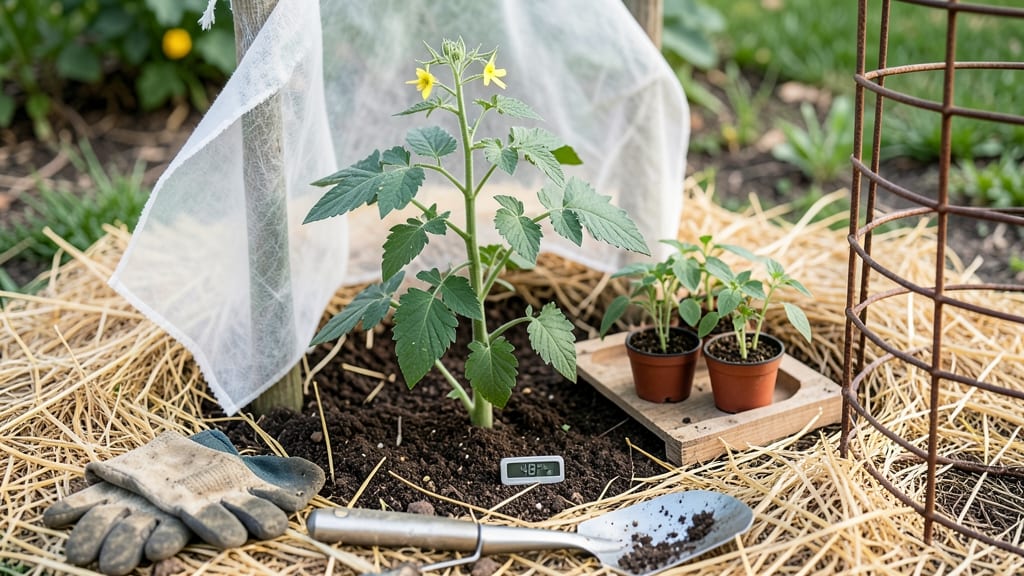
The tomato plant cold tolerance can be surprisingly flexible with the right techniques, allowing you to grow them even in cooler zones—though frost damage starts at 32°F. Cold snaps can devastate your 🍅 plants—but with the right knowledge, you can protect them and even grow tomatoes in cooler climates.
Learn which varieties thrive in chilly weather and how to shield tender plants from frost damage.
Some tomato varieties, like 'Stupice' and 'Mountain Merit,' can handle light frosts, but most need extra care to survive below 50°F. Whether you're in USDA Zone 6a or facing an unexpected late spring chill, these strategies will help you keep your plants alive and thriving.
From mulching to row covers and indoor cultivation, I’ll walk you through the best ways to extend your growing season and ensure your tomato plants not only survive but thrive—even when the weather turns cold.

Cold-tolerant tomato varieties and their hardiness zones
If you love growing tomatoes but live in cooler climates, don't despair! Some varieties are surprisingly cold-hardy and can survive temperatures as low as 25°F with proper care. These frost-resistant tomatoes are bred to thrive where traditional varieties would freeze.
I’ve grown several in my Zone 5 garden and can confidently recommend the best options for your region.
The key to success is choosing varieties that match your USDA hardiness zone and understanding their cold tolerance thresholds. For example, 'Stupice' tomatoes can handle 28°F temperatures, while 'Glacier' tomatoes tolerate 30°F.
Below, I’ve mapped out the top cold-tolerant varieties and their ideal zones to help you pick the perfect fit for your garden.
| Variety | Cold Tolerance Threshold (°F) | USDA Hardiness Zones | Days to Maturity | Best For |
|---|---|---|---|---|
| Stupice | 28°F | 3-7 | 60-70 days | Fresh eating, sauces |
| Mountain Merit | 30°F | 4-8 | 70-80 days | All-purpose, disease-resistant |
| Glacier | 30°F | 3-6 | 55-65 days | Salads, slicing |
| Iron Lady | 28°F | 3-7 | 75-85 days | Heirloom, large fruits |
| Siberian | 25°F | 2-6 | 60-70 days | Early harvests, cold climates |
For gardeners in USDA Zones 3-4, varieties like 'Siberian' and 'Stupice' are my top picks—they can survive 25-28°F temperatures, which is rare for tomatoes. These varieties are also disease-resistant, making them ideal for cooler, damp climates where fungal issues are common.
I’ve seen 'Siberian' tomatoes thrive in my Zone 4 garden even when other plants struggle.
If you’re in Zones 5-7, 'Mountain Merit' and 'Glacier' are excellent choices. They handle 30°F temperatures well and produce high yields even in shorter growing seasons.
I planted 'Glacier' last year, and it gave me a 6-week harvest window in my Zone 5 garden, which was a game-changer for extending my tomato season.
One common misconception
Protecting tomato plants from cold weather: practical survival tricks
Cold weather can turn your tomato plants from thriving vines to frostbitten relics overnight. Even mild frosts below 32°F can damage young leaves, while hard freezes under 28°F can kill entire plants. The good news?
With the right protective strategies, you can shield your tomatoes from early-season chills and late-fall frosts. I’ve tested these methods in my own Zone 5 garden—some work better than others, but all save plants when temperatures dip unexpectedly.
Your first line of defense is understanding tomato cold tolerance thresholds. Seedlings can survive brief dips to 40°F with protection, while mature plants tolerate 50°F nighttime temps without damage.
The key is acting before frost hits, not after. Let’s start with the most effective low-tech solutions that require minimal investment but deliver maximum protection.
Tomatoes are frost-sensitive—even 32°F temps cause leaf blackening, while 28°F kills plants. Frost damage symptoms include:
- Silvery-gray leaves (early frost)
- Blackened, mushy tissue (severe freeze)
- Stunted growth after recovery
Prevention is easier than recovery—implement protections before temps drop below 50°F.
For early-season protection, I swear by floating row covers. These lightweight fabrics (like Reemay) raise temperatures by 2-8°F and block wind chill. Drape them over hoop structures or stakes to create a mini greenhouse.
Remove covers during the day to prevent heat buildup—tomatoes need full sun to thrive. Pair row covers with black plastic mulch to warm soil faster in spring. This combo delayed my first frost damage by 2-3 weeks in past seasons.
When frost is forecasted, mulching becomes your best friend. Spread 4-6 inches of straw or leaves around plant bases to insulate roots. For extra warmth, top with clear plastic sheeting (secured with bricks) to trap heat.
I’ve seen soil temps rise 10°F under plastic on 35°F nights. Avoid thick mulch layers—over-mulching suffocates roots and traps moisture, inviting disease. Instead, focus on even coverage around the stem.
For late-season protection, consider low tunnels or cold frames. These create microclimates that extend harvests by 4-6 weeks. My DIY cold frame (built from wood and plexiglass) kept Green Zebra tomatoes producing until mid-October in Zone 5.
If building a frame isn’t an option, terracotta pots filled with water placed near plants release heat overnight. This radiant heat trick adds 5-7°F of warmth—enough to save tender foliage.
Never underestimate the power of container growing in cold climates. Potted tomatoes can be moved indoors during frosts or placed on wheelbarrows to roll into garages. I’ve grown Cherry Tomatoes year-round in 10-gallon pots by overwintering them under grow lights.
Even if you don’t harvest, keeping plants alive through winter means faster spring regrowth. Just ensure pots have drainage holes—root rot from soggy soil is worse than frost!
Remember: prevention beats cure. Monitor 10-day forecasts and act at first signs of cooling trends. Combine mulch + row covers + microclimates for layered protection.
With these tricks, you’ll turn Zone 4’s short season into a Zone 6-like harvest. Now go protect those plants—your future salsa supply depends on it! 🌱