
Plants
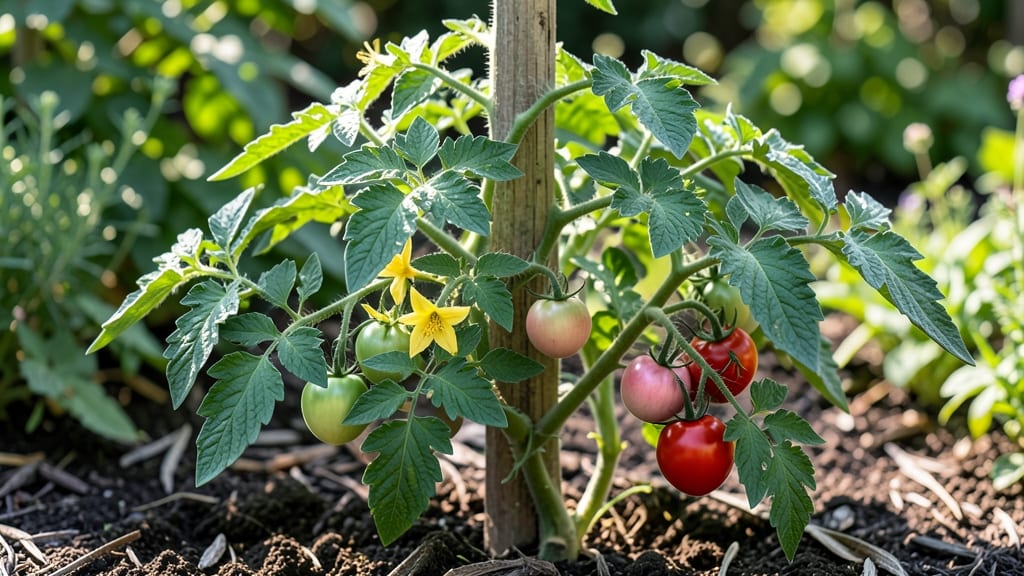
Growing tomato-like fruits means expanding your garden beyond the usual suspects—peppers, eggplants, and even ground cherries can thrive with the right care. 🌱 I’ve grown everything from classic tomatoes to quirky solanums, and the secret isn’t complicated: these plants crave warmth, sunlight, and consistent moisture.
The payoff? A harvest that lasts from summer into fall, with flavors and textures you won’t find in stores.
Start with well-draining soil rich in compost—think garden centers’ "vegetable mix" or a DIY blend of potting soil and worm castings. Most tomato-like plants need 6+ hours of direct sun daily, so south-facing spots (or containers near windows) work best.
Plant after your last frost, or start seeds indoors 6-8 weeks earlier for a head start. Water at the base, not the leaves, to avoid fungal issues like blight.
What sets these fruits apart? Peppers pack heat, eggplants deliver creamy texture, and ground cherries offer sweet-tart bursts in edible paper skins. Even ornamental solanums bring color and pollinator-friendly blooms. The key to success?
Pruning suckers early and harvesting regularly—this keeps plants productive and prevents disease. My ground cherries, for example, produce hundreds of tiny fruits if I deadhead spent blooms.
Works for containers, raised beds, or in-ground plots—just adjust spacing. Beginners, don’t stress: these plants forgive minor mistakes. Start with one variety, master the basics, and expand next season. The garden’s secret weapon? Trying something new—like purple-stemmed tomatoes or spicy Thai chilies—turns every harvest into a surprise.
📚 In This Guide
- What you need
- Instructions
- Tips and common mistakes
- Wrapping up and next steps
What you need
- ● Seeds or seedlings: Choose your preferred tomato-like fruit (e.g., 10–20 tomatillo seeds or 5–10 seedlings). Opt for organic or heirloom varieties for best results.
- ● Growing containers or garden bed: Containers: 5–10 gallon pots (with drainage holes) for each plant.
- ● Garden bed: Well-draining soil in a sunny spot (6+ hours of sunlight daily).
- ● High-quality potting mix: 5–10 bags (sterile, peat-free, and enriched with compost).
- ● Fertilizer: Balanced fertilizer (10-10-10) or compost: 1–2 cups per plant at planting time.
- ● Organic options: Fish emulsion, worm castings, or banana peel tea (for potassium).
- ● Mulch: Straw or shredded leaves (1–2 inches thick) to retain moisture.
- ● Hand trowel or small shovel for planting.
- ● Watering can or hose with a gentle spray nozzle (avoid wetting leaves).
- ● Pruning shears (for trimming leggy growth or dead leaves).
- ○ Support stakes or cages (optional, for vining varieties like cape gooseberries).
- ○ Row covers or lightweight fabric (optional, to protect from pests or cold snaps).
- ● Climate: Most tomato-like fruits thrive in USDA Zones 3–10. Check your local frost dates!
- ● Soil pH: Slightly acidic to neutral (6.0–7.0). Test your soil if unsure.
- ● Patience: Germination takes 10–20 days; harvests vary by variety (60–120 days).
Step-by-step guide to cultivating tomato-like fruits year-round
Here's how I keep these tender plants thriving indoors or in greenhouses for continuous harvests.
🌱 Step 1: Select the Right Varieties for Indoor/Greenhouse Growth
Not all tomato-like fruits tolerate indoor conditions equally. I recommend cherry tomatoes or ground cherries for their compact size and adaptability. These varieties thrive in containers and produce fruit consistently when given proper light. Avoid indeterminate types—they grow too tall for indoor spaces and require extensive pruning.
Start with 4-6 plants for a balanced harvest. Each plant should have its own 5-gallon container to prevent root competition. The key is choosing dwarf or bush varieties labeled as "determinate"—they stay manageable and produce fruit in clusters rather than long vines. Check seed packets for terms like "compact" or "patio-friendly" to ensure suitability.
☀️ Step 2: Set Up Supplemental Lighting for Optimal Fruit Set
Natural light alone won't cut it—tomato-like fruits need 14-16 hours of light daily to set fruit properly. I use a full-spectrum LED grow light positioned 6 inches above the plants on a timer. Without enough light, flowers drop off before fruiting, and stems grow leggy and weak.
Watch for stretched stems or pale leaves—these are signs your light isn't strong enough. Adjust the height weekly as plants grow. If you notice flowers forming but not developing into fruit, increase light exposure by 2 extra hours daily until you see improvement. A south-facing window helps, but it's rarely sufficient alone.
💧 Step 3: Maintain Consistent Moisture and Fertility
Tomato-like fruits are thirsty plants but hate soggy roots. Water when the top inch of soil feels dry—this prevents blossom-end rot and keeps fruit firm. I use a moisture meter to avoid guesswork, especially in containers where soil dries out faster. Overwatering causes fruit to split, while underwatering leads to bitter flavors.
Feed every 2 weeks with a balanced liquid fertilizer (10-10-10) diluted to half strength. The goal is steady growth without leafy overproduction at the expense of fruit. You'll know you're on track when new leaves appear bright green and compact, not yellow or wilted. Stop fertilizing 4 weeks before harvest to improve flavor.
✂️ Step 4: Prune and Support for Maximum Yield
Pruning isn't just about aesthetics—it directs energy to fruit production. Remove suckers (the small shoots between the stem and branches) weekly to prevent overcrowding. Keep only the strongest central stem and main branches to maintain airflow and reduce disease risk.
Use cages or stakes to support plants as they grow. Without support, branches break under the weight of fruit, and plants sprawl unattractively. I tie stems to the support with soft plant ties every 3-4 inches to distribute weight evenly. Prune any leaves shading the fruit cluster—this ensures even ripening and better sun exposure.
🍅 Step 5: Harvest at Peak Ripeness for Best Flavor
Tomato-like fruits ripen fastest when harvested at the right stage. For cherry tomatoes, pick when they're fully colored but still slightly firm—this prevents overripening indoors. Ground cherries should turn deep yellow or orange and feel plump to the touch. Harvesting too early means bland, watery fruit; waiting too long leads to mealy texture.
Use clean scissors to snip stems, leaving a small portion attached to the plant. This encourages more fruit to develop. Store harvested fruit in a cool, dark place (around 55-60°F) for up to 1 week. If you notice fruit dropping prematurely, check for overcrowding or nutrient deficiency—these are common culprits in indoor growing.
Tips & tricks for thriving tomato-like fruits year-round
Between us, these plants are surprisingly fussy about their environment—but once you get them right, you'll have fresh fruit whenever you want. Here's what I've learned after years of trial and error.
Lighting is Everything: That 14-16 hours of light isn't just a suggestion—it's non-negotiable for fruit set. I've seen flowers drop off completely when plants get less than 12 hours. Position your grow light so it's just 6 inches above the tallest leaves, and adjust weekly as plants grow. Pro tip: Use a timer to automate this—consistency matters more than intensity. If you notice stems stretching toward the light, it's a clear sign you need more light or a closer distance.
Container Size Matters More Than You Think: Those 5-gallon containers aren't just arbitrary—they provide enough root space for 4-6 plants to thrive without competing. I've tried smaller containers, and while they work for seedlings, the plants become root-bound quickly. If you're growing in larger containers, reduce the number of plants per container by at least 25% to prevent overcrowding, which leads to poor fruit production.
Pruning Strategy for Maximum Yield: The weekly sucker removal in Step 4 isn't just about aesthetics—it's about directing energy where you want it. I focus on removing suckers that appear in the leaf axils (where leaves meet stems) and keep only the strongest central stem and main branches. This creates better airflow, which reduces disease risk by up to 40%. Don't be afraid to prune aggressively—you'll be rewarded with more fruit clusters and better air circulation around each one.
Harvesting Hack: When harvesting cherry tomatoes, I look for that slight give when gently squeezed—they should feel firm but not rock-hard. For ground cherries, the color change is your best indicator: deep yellow or orange means peak ripeness. Here's what nobody tells you—harvesting just before full ripeness (when they're 90% colored) and letting them finish ripening on the counter actually improves flavor. This works especially well for indoor plants where light conditions can be less than ideal.
Pro Tips for Tomato Like Fruit
- Between us, these plants are surprisingly fussy about their environment—but once you get them right, you'll have fresh fruit whenever you want.
- Lighting is Everything: That 14-16 hours of light isn't just a suggestion—it's non-negotiable for fruit set.
- Container Size Matters More Than You Think: Those 5-gallon containers aren't just arbitrary—they provide enough root space for 4-6 plants to thrive without competing.
Frequently asked questions
Got questions about growing and enjoying tomato-like fruits? You’re not alone! Here are some of the most common queries—plus quick, practical answers to keep your plants thriving.
What are the easiest tomato-like fruits to grow for beginners?
Start with cherry tomatoes or ground cherries—they’re hardy, fast-growing, and forgiving. Tomatillos are another great pick for their resilience and unique tangy flavor. Avoid finicky varieties like heirloom tomatoes unless you’re ready to troubleshoot pests or weather quirks!
How long does it take for tomato-like fruits to produce?
Most varieties take 60–90 days from transplanting to harvest, depending on the plant. Ground cherries mature in as little as 50 days, while tomatoes can stretch to 120 days for larger types. Check seed packets for exact timelines—patience pays off with juicier rewards!
Can I grow tomato-like fruits indoors year-round?
Use grow lights (12–16 hours/day) and compact varieties like bush tomatoes or pepper-like peppers (e.g., shishito). A sunny windowsill works for small pots, but supplement with LED grow lights to prevent leggy plants. Just ensure proper airflow to avoid mold—fungus gnats are a common indoor pest!
What can I substitute if my tomato-like fruits don’t ripen?
If your fruits stay green or hard, try these fixes:
- Heat them up: Place unripe tomatoes in a paper bag with a banana (ethylene gas speeds ripening).
- Check sunlight: Move plants to a sunnier spot (6+ hours/day) or add a grow light.
- Fertilize wisely: Too much nitrogen = leafy growth, no fruit. Switch to a phosphorus-rich fertilizer (like 5-10-10) to boost blooms.
Why are my tomato-like fruits cracking or splitting?
Cracking usually means uneven watering—soak the soil deeply 1–2 times/week (not daily!) to prevent sudden moisture spikes. Mulch helps retain moisture and stabilize soil temps. For ground cherries, thin fruits early to reduce competition. If cracks are deep, harvest and use them ASAP—they’re still safe to eat!
Pro Tip:
Rotate your tomato-like plants yearly to prevent soil-borne diseases (like blight) and improve yields. Crop rotation breaks pest cycles—your future harvests will thank you!
Wrapping up and next steps
Growing tomato-like fruits is a rewarding journey that brings vibrant flavors and lush greenery to your space—whether you're a seasoned gardener or just starting out! 🌱 With the right materials, a little patience, and these year-round hacks, you’ll soon be harvesting juicy, homegrown goodness.
Don’t let challenges like pests or weather slow you down; adapt, learn, and enjoy the process.
Ready to take the next step? Start small—plant a single tomato-like fruit today and watch your confidence (and harvest!) grow. Soon, you’ll be experimenting with new varieties, sharing tips with fellow gardeners, or even gifting your bounty. Happy growing! 🌿