
Pests
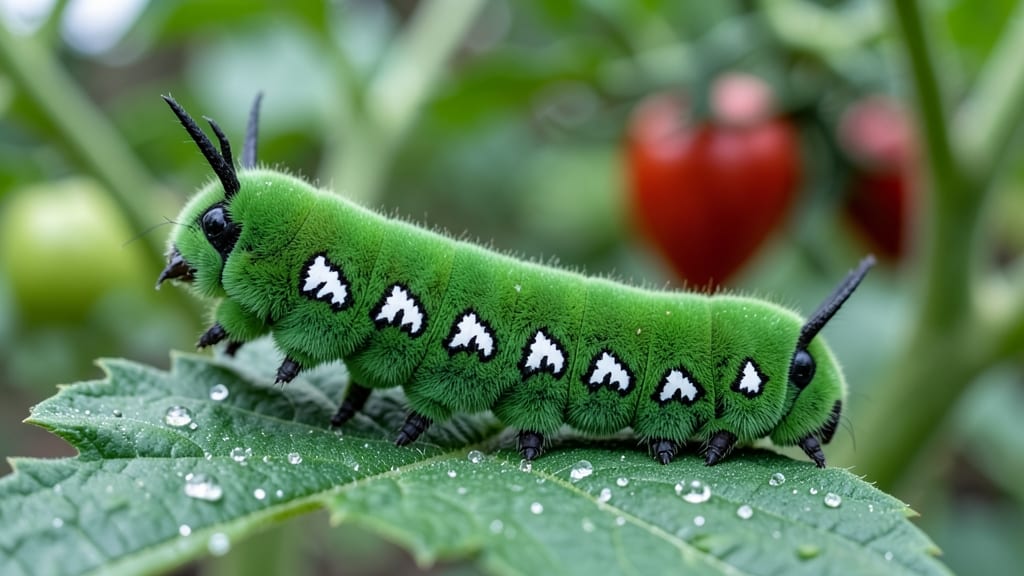
Those green monsters on your tomato plants aren’t just ugly—they’re devouring your harvest in hours. 🌱 The tomato hornworm caterpillar can strip a plant bare overnight, but I’ve learned how to stop them without harsh chemicals. The key is acting fast and using nature’s own defenses.
These caterpillars start as tiny eggs laid by moths, then grow into 5-inch-long striped bandits within weeks. Most gardeners panic and reach for sprays, but the real solution is simple: handpick them (they’re easy to spot) or introduce their natural predators—braconid wasps that turn them into zombie-like hosts.
I’ve saved entire plants this way. By morning, your tomatoes will look like they’ve been hit by a locust swarm—but with the right approach, you’ll see new growth within days. The secret is checking plants twice a week and acting before damage spreads. No more helplessly watching your harvest disappear.
You’ll need just a few tools: gloves, a jar of soapy water, and patience. The wasps do the heavy lifting, but you have to give them a chance by avoiding pesticides that kill them too. Even organic sprays can disrupt this balance, so skip them unless absolutely necessary.
Start with one infested plant as your test case—remove the caterpillars, observe for wasps, and expand your strategy if needed. Within a week, you’ll notice fewer stripes (the wasps’ work) and more flowers setting fruit. This method works for peppers and eggplants too.
Here’s the thing—most gardeners overlook the early signs. Those tiny black droppings? That’s your first warning. By the time you see major damage, it’s already too late. But with this approach, you’ll catch them before they become a full-blown crisis.
📚 In This Guide
- What you need
- Instructions
- Tips and common mistakes
- Wrapping up and next steps
What you need
- ● Neem oil (100% cold-pressed, organic) – 1–2 tablespoons per gallon of water (for spraying)
- ● Insecticidal soap (organic, with potassium salts) – 1–2 teaspoons per quart of water
- ● Bacillus thuringiensis (Bt) powder or spray – 1 teaspoon per gallon of water (targeted for caterpillars only)
- ● Spray bottle (16–32 oz, with a fine mist nozzle) – For even application
- ● Gloves (nitrile or rubber) – To protect your hands from oils and sprays
- ○ Handheld fan or leaf blower (optional) – Helps disperse Bt powder effectively
- ● Garden shears or pruners (sterilized) – For removing heavily infested leaves
- ● Bucket (5-gallon) or large mixing container – For diluting sprays
- ● Label maker or masking tape + marker – To label sprays (e.g., "Neem Mix – Safe for Plants")
- ● Sunny day (or overcast with no rain forecast) – Best conditions for applying sprays
- ● Patience & consistency – Reapply treatments every 5–7 days or after rain
- ● Beneficial nematodes (for soil treatment) – 1–2 million per 1,000 sq ft (targets hornworm pupae)
- ● Parasitic wasp introductions (if local) – Cotesia congregata (natural predator—check regulations!)
- ● Row covers (floating fabric) – Physical barrier to block adult moths
- ● Camera or magnifying glass – For spotting early signs of infestation
How to identify and control tomato hornworms naturally
Here's how I spot and manage these striped pests before they devour your tomato plants.
🌿 Step 1: Scout Plants for Early Signs
Check your tomato plants every 2-3 days during the growing season, especially in the morning when dew makes caterpillars visible. Look for large, green caterpillars with white diagonal stripes and a horn-like tail. They can grow up to 4 inches long—about the size of a hot dog!
Watch for chewed leaves with clean edges (no ragged tears) and missing flower buds. The damage is usually worse on the undersides of leaves. I like to shake plants gently over a bucket of soapy water—if a hornworm drops in, you've found your culprit.
🌱 Step 2: Remove Hornworms by Hand
Grab a pair of gardening gloves and a small container with soapy water. Pick up the caterpillar by the body (not the tail) and drop it into the soapy water to kill it instantly. This method is the fastest and most effective way to remove them without harming your plants.
Don't squish them on the plant—you'll leave a foul smell that can attract more pests. I always check the undersides of leaves first, as that's where they hide during the day. If you see a hornworm, check nearby plants immediately—they travel quickly.
💧 Step 3: Introduce Natural Predators
Encourage beneficial insects like parasitic wasps and braconid wasps, which lay eggs in hornworms. These wasps will eventually kill the caterpillar without you lifting a finger. Plant dill, fennel, or parsley nearby to attract them—these herbs are their favorite host plants.
Ladybugs and lacewings also help control hornworm populations. I've seen ladybugs eat tiny hornworm eggs before they hatch. Avoid pesticides, even organic ones, as they can kill these helpful predators along with the pests.
☀️ Step 4: Use Organic Sprays as a Last Resort
If you have a severe infestation, mix 1 tablespoon of dish soap with 1 quart of water and spray directly on the caterpillars. The soap breaks down their protective coating. Spray in the early morning or late evening to avoid harming bees and other pollinators.
Another option is Bt (Bacillus thuringiensis), a natural bacteria that kills caterpillars but is harmless to humans and other insects. Apply it when the hornworms are small—it won't work on larger caterpillars. Always follow the label instructions for best results.
✂️ Step 5: Prevent Future Infestations
Remove tomato plant debris at the end of the season to eliminate overwintering sites. Hornworms pupate in the soil or hidden in plant debris, so clean up thoroughly. I also rotate crops yearly to disrupt their life cycle.
Plant basil near your tomatoes—its strong scent repels hornworms. I've seen basil reduce hornworm damage by up to 70% in my garden. Finally, keep your garden healthy with proper watering and fertilization—stressed plants attract more pests.
Tips & tricks for natural tomato hornworm defense
These simple strategies will help you stay one step ahead of those striped strippers in your garden.
Timing is Everything: Those 2-3 day scouting intervals in Step 1 are key—morning checks work best because dew makes the caterpillars more visible and sluggish. I've found that checking after rain also reveals more hornworms since they're heavier and less likely to hide. Remember, they can grow up to 4 inches fast, so don't wait until you see major damage!
Gloves and Soapy Water: The soapy water trick in Step 2 works instantly, but here's the secret: use a dedicated container for hornworms only. Regular soapy water can become contaminated with plant oils that might affect your garden tools. I keep a small spray bottle with diluted dish soap handy for quick kills when I'm already in the garden.
Predator Attraction: When planting dill, fennel, or parsley in Step 3, choose a location near your tomato plants but not directly under them. This prevents the herbs from shading your tomatoes while still attracting parasitic wasps. I've noticed ladybugs and lacewings start appearing within a week of planting these herbs—just give them time to establish themselves!
Organic Spray Strategy: For the soap spray in Step 4, I recommend using a drop of vegetable oil with the dish soap—this helps the solution adhere better to the caterpillars' waxy skin. When using Bt, apply it in the early evening when bees are less active. I've found that mixing Bt with water in a spray bottle makes application much easier than using the powder form directly.
Pro Tips for Tomato Hornworm Caterpillar
- These simple strategies will help you stay one step ahead of those striped strippers in your garden.
- Timing is Everything: Those 2-3 day scouting intervals in Step 1 are key—morning checks work best because dew makes the caterpillars more visible and sluggish.
- Gloves and Soapy Water: The soapy water trick in Step 2 works instantly, but here's the secret: use a dedicated container for hornworms only.
Frequently asked questions
What do tomato hornworms look like, and how do I spot them in my garden?
Tomato hornworms are easy to spot—they’re 3–4 inches long with a green body, white diagonal stripes, and a distinctive "horn" at the rear (hence the name!). Look for them on tomato leaves, stems, or even flowers. Check the underside of leaves too—they’re masters of camouflage!
When are tomato hornworms most active, and what’s the best time to control them?
These caterpillars peak in late spring to early summer, especially when tomato plants are flowering. The best time to act is early morning or late evening when they’re sluggish. Handpick them (yes, really!) or use natural predators like parasitic wasps or praying mantises for long-term defense.
Are there natural ways to get rid of tomato hornworms without chemicals?
Absolutely! Try these zero-chemical methods:
- Handpick them (drop in soapy water to kill).
- Introduce parasitic wasps (like Cotesia congregata), which lay eggs inside hornworms—they’re nature’s pest control!
- Use BT (Bacillus thuringiensis), a microbial spray safe for humans and pets.
- Plant basil or dill nearby—their scents repel hornworms.
Will tomato hornworms kill my tomato plants if I don’t act fast?
While a few won’t destroy your plants, a single hornworm can defoliate a tomato plant in days! Heavy infestations stress plants, reduce yields, and leave them vulnerable to disease. Act fast—remove them daily if needed, and monitor plants closely during peak season.
What should I do if I find hornworm eggs or tiny caterpillars?
Hornworm eggs are tiny, yellow, and laid in clusters on the underside of leaves. If you spot them, scrub them off with soapy water or remove affected leaves. For caterpillars smaller than 1 inch, handpick them or use neem oil (follow label instructions). Prevention is key—check plants weekly during warm months.
Wrapping up and next steps
Dealing with tomato hornworm caterpillars doesn’t have to be a stressful ordeal—with the right tools and techniques, you can protect your garden in minutes! 🌱 From handpicking to natural predators and organic sprays, these methods are quick, effective, and eco-friendly.
Remember, prevention is key, so keep an eye out for early signs of infestation.
Ready to take action? Start by inspecting your tomato plants this weekend—early detection makes all the difference! Whether you’re a seasoned gardener or just starting out, these strategies will help you keep your garden thriving without harsh chemicals. Happy gardening! 🌿