
How To
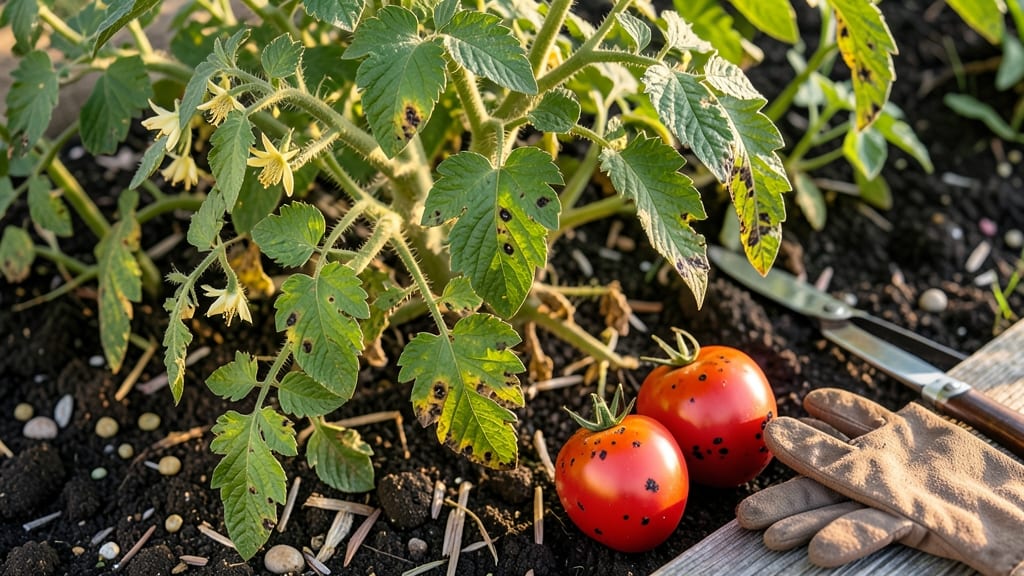
The tomato has black spots—don’t panic, but act fast to save your harvest. 🌱 I’ve rescued multiple seasons of plants from fungal diseases by catching this early, and the same steps work for you too, whether it’s early blight, late blight, or even sunscald.
The culprits are usually overwatering, poor airflow, or infected plant debris from last year. You’ll need to prune infected leaves, adjust your watering schedule, and clean up garden debris to stop the spread. The key is acting fast—once the spots spread to the fruit, it’s too late for those tomatoes.
With the right approach, you’ll see new growth emerge within 2-3 weeks, and your plants will bounce back stronger than ever. The best part? These methods work for both organic and conventional gardeners, so you can choose what fits your style.
Here’s how to diagnose the problem and take action—before it’s too late for your season.
Root Causes Behind Black Spots
Black spots on tomatoes aren’t just unsightly—they’re often a cry for help from your plants! Understanding the why behind these blemishes is the first step to saving your harvest. Below, we break down the most common culprits, backed by science and actionable insights.
Fungi like Alternaria (early blight) and Phytophthora (late blight) thrive in warm, damp conditions and are the #1 reason for black spots. Here’s how they strike:
- Early Blight (Alternaria solani): - How it spreads: Spores land on lower leaves, creating concentric "target" spots that turn black and crusty.
As the disease progresses, it moves upward, damaging fruit. - Why it happens: Overhead watering (💦) splashes spores onto leaves, and poor air circulation traps humidity near the plant. - Red flag: Spots start small, brown, and water-soaked before turning black with gray centers.
- Late Blight (Phytophthora infestans): - How it spreads: This aggressive fungus thrives in cool (60–77°F), wet conditions and can destroy plants in days.
It causes large, greasy-looking black spots that spread rapidly. - Why it happens: Stagnant water (e.g., from poor drainage or rain) creates the perfect breeding ground.
It’s especially rampant in humid climates or greenhouses. - Red flag: Spots appear on both leaves and fruit, often with a white, fuzzy mold underneath.
💡 Pro Tip: If you see black spots and yellowing leaves withering, late blight is likely. Act fast—this one spreads like wildfire!
Caused by Xanthomonas or Pseudomonas bacteria, this issue leaves raised, water-soaked black spots that ooze when squeezed. Unlike fungi, bacteria don’t need humidity—they just need a single opening (like a wound or rain droplet) to invade.
- Why it happens:
- Poor hygiene: Contaminated tools, soil, or even wind can carry bacteria from infected plants.
- Wet foliage: Bacteria hitchhike on water droplets, especially during high humidity (75%+) or frequent rain.
- Weak plants: Stress from overcrowding, nutrient deficiencies, or drought makes tomatoes more susceptible.
🔍 Spot the difference:
| Fungal Spots | Bacterial Spots |
|---|---|
| Soft, sunken, crusty | Firm, raised, greasy |
| Gray/white fuzzy edges | Yellow halos around spots |
| Spreads slowly | Spreads rapidly in wet weather |
Not all black spots are from pathogens! Sometimes, your tomatoes are overheating or struggling to handle their own growth.
- Sun Scorch:
- Why it happens: Tomatoes left unprotected in intense heat (above 90°F) develop blackened, leathery patches where sunlight concentrates. Thin-skinned varieties (like cherry tomatoes) are most vulnerable.
- Where it strikes: Usually on exposed sides (e.g., south-facing fruit) or near the stem.
- Blossom-End Rot (BER): - Why it happens: A calcium deficiency (not always from soil!) causes dark, sunken spots at the blossom end of tomatoes.
It’s triggered by: - Fluctuating moisture: Too much water followed by drought stresses roots, blocking calcium uptake. - Poor soil structure: Compacted or rocky soil limits root growth, starving the plant. - Red flag: Spots start small and expand into large, leathery black patches.
💡 Fix it fast:
- For sun scorch: Use shade cloth or mulch to regulate soil temp.
- For BER: Water consistently (1–1.5 inches per week) and side-dress with crushed eggshells or calcium-rich compost.
Tiny pests can leave black spots as a "signature" of their feeding habits:
- Aphids & Spider Mites: - How they cause spots: These sap-suckers inject toxins that create blackened, crinkled areas on leaves and fruit.
Heavy infestations weaken plants, making them prone to secondary infections. - Why it happens: Dry, dusty conditions or lack of beneficial insects (like ladybugs) let populations explode.
- Fruitworms (e.g., Hornworms):
- How they cause spots: Larvae bite into tomatoes, leaving behind dark, irregular holes and fecal matter that attracts fungi.
- Why it happens: Over-fertilizing with nitrogen creates lush, tender foliage—a buffet for pests.
🐜 Pest patrol:
- Inspect leaves undersides for eggs or webbing.
- Use neem oil or row covers to deter chewers.
Black spots can also signal soil-related stress:
- Over-Fertilization:
- Why it happens: Too much nitrogen (especially synthetic fertilizers) leads to soft, thin-skinned tomatoes prone to cracking and fungal entry points.
- Solution: Switch to balanced organic fertilizer (e.g., 5-5-5) and focus on potassium (helps disease resistance).
- pH Imbalances: - Why it happens: Tomatoes prefer pH 6.0–6.8.
Soil too acidic (below 5.5) or alkaline (above 7.5) locks out nutrients like calcium and magnesium, weakening plants. - Test it: Use a soil pH kit and amend with lime (to raise pH) or sulfur (to lower pH).
Tomatoes are 95% water—mess with their hydration, and spots appear.
- Overwatering:
- Why it happens: Soggy soil drowns roots, cutting off oxygen and inviting fungi. Waterlogged plants also split, creating wounds for pathogens.
- Fix: Ensure 6-inch-deep drainage and water at the base (not overhead).
- Underwatering:
- Why it happens: Stress from drought causes blossom-end rot (calcium uptake fails) or sunscald (plants wilt, exposing fruit to heat).
- Fix: Mulch heavily to retain moisture and water deeply 2–3 times per week (not daily light sprinkles).
Fixing Black Spots on Tomatoes
Now that you know the root causes behind those pesky black spots on your tomatoes, it’s time to roll up your sleeves and get your garden back in shape!
Whether it’s fungal infections, environmental stress, or poor growing conditions, each issue has a targeted solution—plus some pro tips to keep your tomatoes thriving. Let’s dive in.
Fungi like early blight, late blight, and alternaria thrive in damp, warm conditions, turning your tomatoes into a spotted mess. Here’s how to tackle them:
🔥 Remove Infected Plants Immediately
- ⚠️ Warning: Don’t compost diseased plants—the spores can survive and reinfect your soil.
- 👨🍳 Action: Pull up severely infected plants and dispose of them in the trash (not the compost bin).
- 🌱 Prevention: Space plants properly (18–24 inches apart) to improve airflow and reduce humidity.
🍳 Apply Fungicidal Sprays
- 💡 Pro Tip: Copper-based sprays or neem oil are organic and effective against early blight.
- 🔪 For severe cases: Use a fungicide like chlorothalonil (follow label instructions).
- ⏰ Timing: Spray preventatively every 7–10 days, especially after rain or overhead watering.
🌡️ Adjust Watering Habits
- 💦 Water at the base (never the leaves) to keep foliage dry.
- 🌞 Water in the morning so leaves have time to dry before evening humidity sets in.
Black spots from cold damage or sunscald are often a sign your tomatoes are struggling with temperature swings. Here’s how to fix it:
🌿 Protect from Late Frost
- 🛡️ Cover young plants with frost cloth if temperatures dip below 50°F (10°C).
- 🌱 Wait to plant until after the last frost date in your area.
🔥 Shield from Scorching Sun
- 🌞 Use shade cloth (30–50% coverage) if your region has intense afternoon sun.
- 🍅 Prune lower leaves to reduce direct sunlight exposure to the fruit.
🌡️ Maintain Consistent Soil Temps
- 💡 Pro Tip: Mulch with straw or grass clippings to keep soil temps stable.
- 🚫 Avoid cold soil: If planting in spring, wait until soil reaches at least 60°F (15°C).
Black spots can also signal a lack of key nutrients. Let’s balance things out:
📊 Boost Calcium Levels
- 🥛 Use crushed eggshells (bake and grind) or calcium nitrate for a quick fix.
- 🌱 Prevention: Add lime to soil before planting (test pH first—aim for 6.0–6.8).
💪 Improve Soil Drainage
- 🌧️ If soil stays soggy: Mix in compost or sand to improve aeration.
- 🚫 Avoid overwatering: Let the top inch of soil dry out between waterings.
🍎 Balance Fertilizer Use
- ⚠️ Warning: Too much nitrogen = weak plants prone to disease.
- 💡 Pro Tip: Switch to a low-nitrogen, high-phosphorus fertilizer (like 5-10-10) during flowering/fruiting.
Once you’ve treated the current issue, set up your garden for success:
| Problem | Prevention Tip | When to Do It |
|---|---|---|
| Fungal diseases | Crop rotation (avoid planting tomatoes in the same spot yearly) | Before planting season |
| Cold damage | Choose cold-tolerant varieties (like ‘Mountain Merit’) | At planting time |
| Sunscald | Use shade cloth or plant in partial shade | Early season setup |
| Nutrient deficiencies | Test soil and amend with compost/fertilizer | Before planting |
💡 Bonus Tip: Interplant tomatoes with basil or marigolds—they repel pests and improve airflow, reducing disease risk!
By addressing the root cause and following these steps, your tomatoes should bounce back stronger than ever. Keep an eye on your plants, adjust as needed, and soon you’ll be harvesting spot-free, juicy tomatoes all season long! 🍅✨
Frequently asked questions
Can I still eat tomatoes with black spots?
It depends on the cause! If spots are from fungal diseases (like early blight), avoid eating affected fruit—they may contain toxins. For sun scorch or blossom-end rot, cut off the blackened areas and eat the rest. When in doubt, peel and discard spotted sections.
How do I tell if black spots are from fungus or bacteria?
Check the texture and edges: Fungal spots are soft, sunken, and often have fuzzy gray edges. Bacterial spots are firm, raised, and surrounded by yellow halos. Fungi spread slowly; bacteria spread rapidly in wet weather. Test with a clean cloth—fungus leaves a powdery residue.
Will pruning infected leaves stop the spread?
Yes! Remove infected leaves immediately (especially lower ones) and dispose of them in the trash—not compost. Prune 2-3 inches below the spots to prevent spores from spreading. Thin foliage to improve airflow, which reduces humidity (fungi’s favorite environment).
Can I use household items to treat black spots?
Try these organic fixes: Milk spray (1:9 milk-to-water ratio) for fungal prevention, or baking soda mix (1 tsp baking soda + 1 quart water + few drops of soap). For bacterial spots, use copper soap (1 tsp copper sulfate per gallon of water). Spray every 7-10 days during wet conditions.
Why do my tomatoes get black spots even with good care?
Environmental factors like temperature swings (above 90°F or below 50°F) or poor soil drainage can trigger stress-related spots. Test your soil pH (ideal: 6.0-6.8) and ensure consistent watering (1-1.5 inches per week). Even resistant varieties can develop spots if humidity exceeds 75%.