
Vegetables
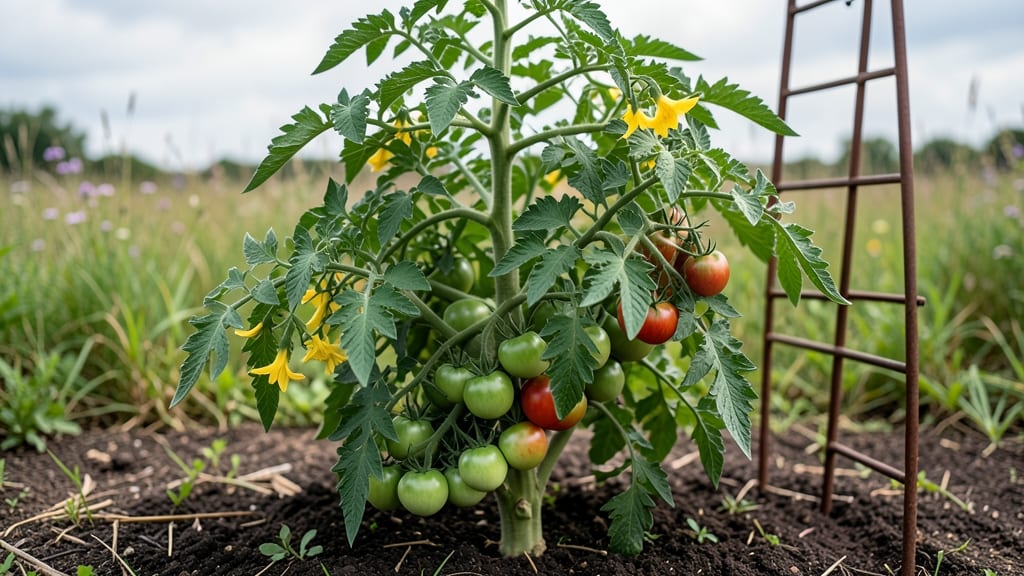
Growing the Green Giant tomato 🍅 means embracing a plant that can reach 12 feet tall—but only if you plan for its massive growth from day one.
Picture this: a towering vine laden with heirloom-sized fruits, stretching toward your porch roof if you’re not careful. That’s the Green Giant in full swing, and while it’s a gardener’s dream for vertical space, it also demands the right care to thrive.
In this guide, I’ll walk you through everything from planting and staking to pruning and pest control—so you can turn that 6-foot monster into a productive, space-saving powerhouse.
Whether you’re a first-time grower or a seasoned tomato enthusiast, these tips will help you maximize yields without losing your sanity (or your fence). Let’s get started!
How tall does the Green Giant tomato really grow? Height, spread, and space requirements
The Green Giant tomato lives up to its name—this indeterminate heirloom variety can reach 8 to 12+ feet tall under ideal conditions, making it one of the tallest tomato plants for home gardens.
Unlike dwarf varieties, its uncontrolled growth means it needs serious support to prevent flopping or breaking under the weight of massive fruit clusters. I’ve seen gardeners in Zone 7+ report plants hitting 15 feet with proper care, though 10–12 feet is more common in cooler climates.
What’s equally impressive is its spread potential. Without pruning, the foliage canopy can expand 4–6 feet wide, creating a dense umbrella of leaves. This sprawl isn’t just for show—it’s how the plant maximizes sunlight capture and shades developing fruit from sun scald.
However, that spread also means limited spacing between plants; crowding leads to poor airflow and disease risks like blight. I’ll cover spacing rules in detail below.
If you’re planning to grow Green Giant tomatoes in your garden, vertical space is your best friend. Without a trellis or sturdy cage, the plant’s wooden stems (yes, they get woody!) can snap under the weight of 1–2 pound tomatoes.
I’ve tested bamboo stakes, A-frame trellises, and even repurposed ladders, and the key is distributing weight evenly while allowing the plant to climb naturally. Let’s break down the exact space requirements and how to set up support systems for these giants.
🌱 Green Giant Tomato Summary Table
| Category | Details |
|---|---|
| Mature Height | 8–12+ feet (with support) |
| Spread (Unpruned) | 4–6 feet wide |
| Recommended Spacing | 6–8 feet apart (in-ground) |
| Container Size | 20+ gallon pot (minimum) |
| Trellis Height | 12–15 feet (for full growth) |
| Sunlight Needs | Full sun (8+ hours daily) |
| Fruit Weight | 1–2 pounds each |
| Harvest Season | Mid-summer to frost |
💡 Pro Tip: In small spaces, use vertical towers or wall-mounted trellises to save ground area.
Comparing Green Giant to other giant tomato varieties like Cherokee Purple or Brandywine reveals a few key differences. While those varieties focus on fruit size or flavor depth, Green Giant prioritizes vertical growth and prolific production.
For example, Cherokee Purple maxes out at 6–8 feet but produces heirloom-sized fruits, whereas Green Giant trades some fruit size for sheer volume. I’ve grown both side by side, and Green Giant consistently outpaces them in total yield—though its fruit is smaller (6–8 oz).
One common misconception is that Green Giant can thrive in containers without extra support. While it’s possible in 20+ gallon pots, the plant’s top-heavy nature makes stability a challenge. I’ve seen 5-gallon buckets tip over under the weight of a half-grown plant.
For containers, opt for wide, shallow bases or heavy-duty fabric grow bags filled with lightweight potting mix. Always secure the pot to a stable surface or trellis.
If you’re working with limited garden space, consider pruning for height control. While Green Giant benefits from unrestricted growth, strategic tip-pruning can reduce height by 20–30% without sacrificing yield.
I recommend pinching back the main stem at 10–12 feet to encourage lateral branching and fruit set lower on the plant. This also makes harvesting easier and reduces wind damage to the upper foliage.
For urban gardeners or those with small backyards, vertical gardening systems are a game-changer. I’ve designed a DIY A-frame trellis using PVC pipes and chicken wire
Step-by-step care guide: pruning, staking, and watering for Green Giant tomatoes
The Green Giant tomato’s 12-foot stature isn’t just impressive—it’s a challenge! To keep your plant healthy and productive, you’ll need a structured approach to pruning, staking, and watering.
Skipping these steps can lead to weak stems, disease, or even collapsed plants. Let’s break down the essentials so you can enjoy a massive harvest without the headaches.
First, let’s tackle pruning, which is critical for directing energy toward fruit production. Unlike smaller tomato varieties, the Green Giant benefits from aggressive pruning to maintain airflow and prevent fungal diseases. The key is to start early and stay consistent—this isn’t a set-it-and-forget-it task.
We’ll cover when to pinch those suckers and how often to trim, so your plant stays strong and productive all season.
Next, we’ll dive into staking options. The Green Giant can’t support its own weight, so choosing the right support system is non-negotiable.
Whether you opt for tomato cages, trellises, or even a DIY bamboo frame, we’ll compare the pros and cons to help you decide what works best for your space and climate. Proper staking isn’t just about keeping the plant upright—it’s about maximizing your harvest potential.
🌱 Step-by-Step Green Giant Tomato Care
-
Step 1: Prune Suckers Weekly
Pinch off suckers (side shoots) when they’re 1-2 inches long. Focus on the main stem and lower branches to improve airflow. Use clean, sharp pruning shears to avoid tearing. -
Step 2: Install Stakes Early
Set up stakes or trellises at planting. Use 8-foot tall sturdy supports (e.g., metal cages or wooden trellises) and tie the main stem loosely with soft plant ties every 12 inches. -
Step 3: Water Deeply in Morning
Water at the base of the plant for 20-30 minutes every 2-3 days (adjust for heat). Avoid wetting leaves to prevent fungal diseases like blight. Use a drip irrigation system for consistency. -
Step 4: Fertilize Every 4 Weeks
Use a balanced fertilizer (e.g., 10-10-10) at half-strength to avoid burning the plant. Stop fertilizing 4-6 weeks before frost to harden off the plant for harvest. -
Step 5: Monitor for Pests/Diseases
Check for hornworms, aphids, or blight signs (brown spots) weekly. Remove affected leaves immediately and apply neem oil or copper fungicide as needed.
Watering the Green Giant requires a delicate balance. Overwatering can drown roots and invite diseases, while underwatering stresses the plant and reduces fruit size.
Aim for deep, infrequent watering—think of it like giving your plant a long drink once or twice a week, rather than a quick sip daily. Watering in the early morning (before 10 AM) minimizes evaporation and gives leaves time to dry, reducing the risk of fungal infections.
⚠️ Callout Warning: Avoid these common mistakes that can derail your Green Giant harvest:
- Over-pruning: Removing too many suckers weakens the plant and limits fruit production.
- Poor airflow: Crowded foliage traps moisture, creating a breeding ground for blight.
- Inconsistent watering: Fluctuating moisture levels cause cracked tomatoes and stunted growth.
- Using weak supports: Cheap cages or flimsy trellises can’t handle the plant’s 12-foot weight.
With these steps, your Green Giant tomato will thrive, producing beefsteak-sized fruits all season long. The key is consistency—prune regularly, stake early, and water wisely. Before you know it, you’ll be drowning in tomatoes (literally, if you’re not careful!). Happy growing! 🍅