
Planting
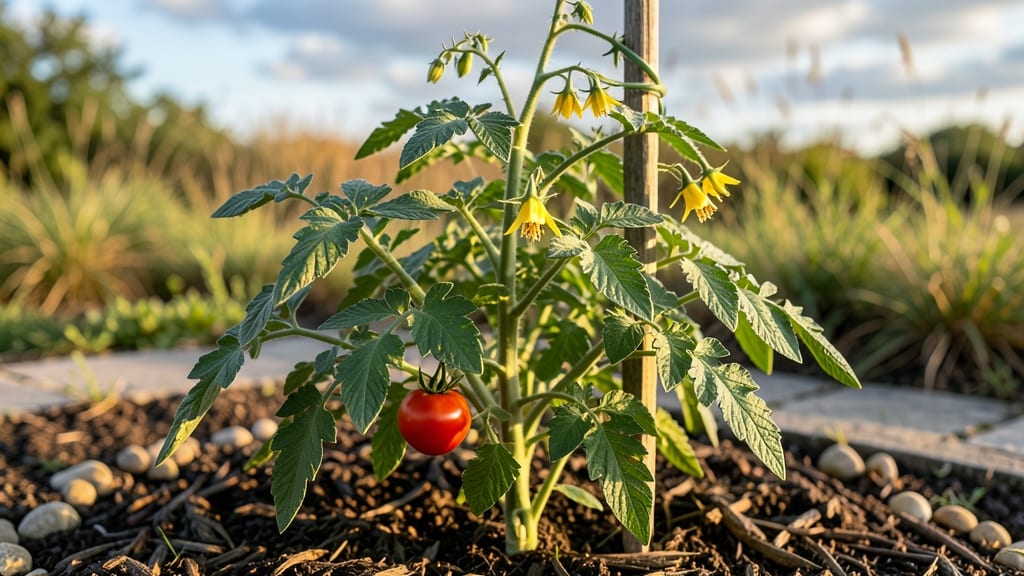
When your tomato flowering plant finally sends out those first delicate blossoms, it’s your cue to shift into high gear—because what comes next determines whether you’ll end up with a handful of tomatoes or a bounty that makes your neighbors green with envy. 🌱 I’ve watched my own plants go from hopeful blooms to nothing but dropped flowers, and trust me, it’s heartbreaking.
The difference between success and disappointment often comes down to understanding the hidden triggers that turn those blossoms into fruit.
Light, temperature, and even how you prune play starring roles in this process. Too much heat? Flowers drop like they’re playing hot potato. Not enough light? They’ll just sit there, wilting under the weight of their own potential.
And don’t even get me started on pollination—sometimes the bees aren’t enough, and you’ll need to lend a hand. The key is creating the perfect conditions where every flower gets a fighting chance to become a tomato.
What you’ll end up with is a plant that doesn’t just produce fruit but loads of it—plump, juicy tomatoes that taste like summer in every bite. The secret isn’t some fancy trick; it’s about paying attention to the little details that most gardeners overlook.
Think of it as giving your plant a VIP treatment during its most critical phase.
This works whether you’re growing in a backyard plot, a container on your patio, or even under grow lights indoors. The principles stay the same, and once you master them, you’ll never look at a tomato plant the same way again. Let’s get those flowers turning into fruit!
📚 In This Guide
- What you need
- Instructions
- Tips and common mistakes
- Wrapping up and next steps
What you need
- ● Tomato seedlings or seeds: Choose disease-resistant varieties (e.g., Beefsteak, Cherry, Roma). For seeds, soak them in warm water for 24 hours to speed up germination.
- ● Growing containers or garden bed: Containers: 5-gallon pots (minimum) with drainage holes—1 plant per pot.
- ● Garden beds: Well-draining soil with 6+ inches of organic matter (compost or aged manure).
- ● High-quality potting mix: Look for a blend labeled for vegetables or tomatoes (avoid generic garden soil).
- ● Slow-release fertilizer: 10-10-10 or tomato-specific fertilizer (e.g., Espoma Tomato-Tone). Follow package rates for application.
- ● Watering can or hose with gentle nozzle: Avoid blasting flowers—aim for deep, even moisture.
- ● Pruning shears: Sharp, clean pair (sterilize with rubbing alcohol between uses).
- ● Grow lights or sun lamp: If indoors, provide 12–16 hours of light daily (LED or fluorescent bulbs work best).
- ● Cage or stakes: 6-foot tall tomato cages or bamboo stakes to support vining varieties.
- ● pH test kit: Ideal soil pH for tomatoes: 6.0–6.8. Adjust with lime (to raise pH) or sulfur (to lower) if needed.
- ● Calcium supplement: Epsom salt (magnesium sulfate) or crushed eggshells to prevent blossom-end rot.
- ● Shade cloth (30–50% coverage): For hot climates—protects flowers from excessive heat (above 90°F/32°C).
- ● Pollination aid: Small paintbrush or electric toothbrush to manually pollinate flowers if bees are scarce.
Step-by-step guide to triggering heavy blooms on tomato plants
Here’s how I coax tomatoes into producing abundant flowers—and turn those blooms into fruit.
🌱 Step 1: Start with the Right Variety and Planting Conditions
Choose a determinate variety if you want compact plants with all fruit ripening at once, or indeterminate for continuous harvests. I always plant mine after the last frost when soil reaches 60°F—cooler temps delay flowering. Use a balanced 10-10-10 fertilizer at planting to give roots a nutrient boost right away.
Tomatoes need full sun (6-8 hours daily) to set flowers. If your garden gets less, supplement with a grow light for 14 hours a day. I test sunlight by placing a white sheet of paper in the spot—if shadows are crisp, you’ve got enough light.
☀️ Step 2: Manage Light and Temperature for Optimal Flowering
Tomatoes stop flowering when nights stay above 75°F for more than a week. To prevent this, I use shade cloth (30-50%) during peak afternoon heat. Watch for yellowing leaves—this is your first sign of heat stress.
Morning sunlight is gentler, so position plants to catch east-facing light first. If your garden gets afternoon shade, indeterminate varieties will keep producing flowers longer than determinate ones.
💧 Step 3: Water Deeply and Consistently
Flowering tomatoes need 1-1.5 inches of water weekly, delivered at the base of the plant (never overhead). I water in the early morning to let foliage dry before evening—wet leaves invite fungal diseases like early blight.
Let the top 2 inches of soil dry between waterings. You’ll see wilting leaves if they’re thirsty, but yellowing lower leaves means you’re overwatering. Mulch with 2-3 inches of straw to retain moisture and keep roots cool.
✂️ Step 4: Prune and Fertilize for Heavy Blooms
Pinch off suckers (the shoots growing between the stem and branches) to redirect energy to fruit production. I leave 1-2 leaves above each pruning point so the plant can photosynthesize enough to support new growth.
When flowers appear, switch to a low-nitrogen, high-phosphorus fertilizer (5-10-10) to encourage blooming. I fertilize every 2 weeks during flowering, always watering before and after to prevent root burn.
🌿 Step 5: Hand-Pollinate and Protect Flowers
If your garden lacks bees, gently shake plants in the morning to release pollen. On cloudy days, I use a small paintbrush to transfer pollen from one flower to another—this ensures even heavy bloomers like ‘Sungold’ set fruit.
Protect flowers from wind and pests by staking plants or using cage supports. Remove any damaged or diseased leaves immediately—they steal energy from blooms. A neem oil spray keeps aphids away without harming pollinators.
Tips & tricks for heavy tomato blooms
Took me years to figure out why some tomato plants flowered like crazy while others barely budded—here's what actually works.
Variety Matters: Determinate varieties like 'Roma' or 'Celebrity' focus all their energy on one flush of blooms, while indeterminate types like 'Sungold' keep producing flowers all season. If you're growing determinates, give them a head start with a 10-10-10 fertilizer at planting to build root strength for that big flowering push. The 60°F soil temperature is non-negotiable—cooler soil slows root activity, which directly impacts flowering.
Light Strategy: The 6-8 hours of daily sunlight is your baseline, but morning sun is gold. Position plants to catch east-facing light first—it's less intense than afternoon heat. I've had plants with afternoon shade still produce well because they're not stressed by the midday sun. For containers or shady spots, that 14-hour grow light makes all the difference—just place it 6-12 inches above the plants.
Heat Management: That 75°F nighttime threshold is real. When temps creep above it consistently, tomatoes go into survival mode and drop flowers. My secret weapon? A 30-50% shade cloth draped over plants during peak afternoon heat (usually 1-4 PM). You'll see the difference immediately—plants keep flowering instead of wilting.
Pruning Precision: When you pinch those suckers, leave 1-2 leaves above each pruning point—this is where the plant makes energy to fuel new blooms. I prune aggressively on indeterminates but leave more foliage on determinates since they flower all at once. And here's the kicker: stop pruning once flowers appear—you want all that leaf surface capturing sunlight for fruit development.
Pro Tips for Tomato Flowering Plant
- Took me years to figure out why some tomato plants flowered like crazy while others barely budded—here's what actually works.
- Variety Matters: Determinate varieties like 'Roma' or 'Celebrity' focus all their energy on one flush of blooms, while indeterminate types like 'Sungold' keep producing flowers all season.
- Light Strategy: The 6-8 hours of daily sunlight is your baseline, but morning sun is gold.
Frequently asked questions
Got questions about getting your tomato flowering plant to burst with blooms and fruit?
You’re in the right place! Here are some of the most common concerns—plus quick, actionable answers to keep your plants thriving.
Why aren’t my tomato flowers turning into fruit?
This is usually due to pollination issues or environmental stress. Tomato flowers need gentle vibrations (like wind or bees) to release pollen. If your plants are indoors or in a greenhouse, try shaking the stems lightly near the flowers daily. Also, check for pests or extreme temps—both can cause flower drop.
How long does it take for tomato plants to flower after transplanting?
Most tomato varieties start flowering 6–8 weeks after transplanting, but this depends on light, warmth, and care. Determinate types (bush tomatoes) often bloom faster (4–6 weeks), while indeterminate varieties (vining) may take longer. Use grow lights if natural light is weak to speed things up!
Can I force tomato plants to flower faster?
Yes! Tomato plants need 12+ hours of sunlight daily and consistent warmth (70–85°F). Use grow lights for 14–16 hours/day if natural light is limited. Avoid over-fertilizing with nitrogen (it promotes leaves over flowers)—switch to a phosphorus-rich fertilizer (like 5-10-10) to encourage blooms.
What should I do if my tomato plant only has leaves and no flowers?
This often happens when plants get too much nitrogen or not enough light. Prune any suckers (side shoots) to redirect energy to flowering. Move the plant to a sunniest spot and reduce nitrogen-heavy fertilizers. A pinch of bloom booster (like calcium or potassium) can also help trigger flowers.
Are there tomato varieties that flower and fruit more easily for beginners?
Try these beginner-friendly varieties:
- Cherry Tomatoes (e.g., 'Sweet 100' or 'Sun Gold') – Prolific bloomers with minimal fuss.
- Bush Beefsteak – Compact, determinate, and fast to produce.
- Early Girl – Hybrid that flowers quickly (50–60 days) and handles cooler temps.
Wrapping up and next steps
Growing a thriving tomato flowering plant is all about understanding—and embracing—the delicate dance between nature and nurture. 🌱 From optimizing light and temperature to mastering pollination tricks, every step you take brings you closer to a bountiful harvest. Don’t let setbacks discourage you—even the most seasoned gardeners face challenges, but persistence pays off in juicy, vine-ripened rewards!
Ready to level up your garden game? Start by experimenting with one new technique—whether it’s hand-pollinating flowers, adjusting your watering schedule, or testing a DIY bloom booster. Track what works, celebrate small wins, and soon, your tomato plants will be flowering like never before. Happy gardening! 🍅✨