
Flowers
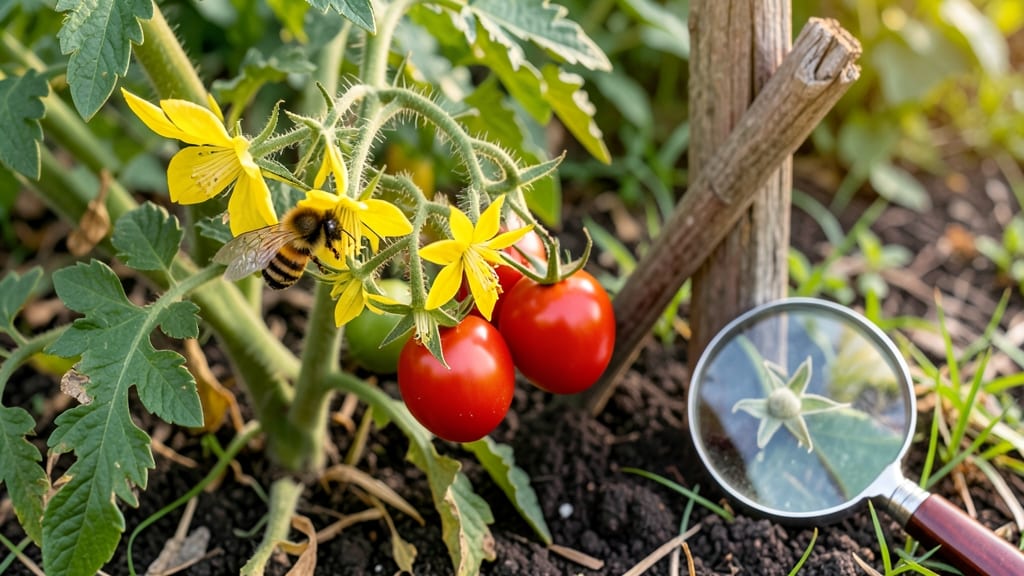
Tomato flower pollination is the secret weapon behind those beefy, vine-ripened slices you dream about—especially when bees are scarce. 🌱 I’ve watched my greenhouse tomatoes go from drooping flowers to fruitless stems, and the fix is simpler than you’d think: a little manual help at the right moment.
The trick isn’t complicated—just timing and technique. Flowers open best in the morning, when humidity is high and pollen is fresh. A soft brush or your fingertip can transfer pollen from one flower’s center to another’s stigma, mimicking nature’s process.
No fancy tools, just a steady hand and a watchful eye. Within 7-10 days, those pollinated flowers swell into plump green tomatoes, and your harvest explodes. The best part? This method works indoors, in greenhouses, or even on balcony plants where pollinators never visit.
For container growers or urban gardeners, this is your shortcut to a bounty. Let’s get those flowers talking to each other!
Why it happens
Tomato flowers may fail to set fruit due to a mix of environmental, biological, and human factors. Understanding these causes helps gardeners take corrective action before it’s too late. Here’s a breakdown of why pollination can go wrong—and how to fix it.
🌬️ Poor Weather Conditions
Tomato flowers rely on wind, bees, or human intervention to transfer pollen. When conditions are less than ideal, pollination suffers:
- Low Humidity: Dry air can cause pollen to dry out before it reaches the stigma (the flower’s receptive surface). In arid climates or during heatwaves, pollen may become too brittle to stick.
- High Heat: Temperatures above 90°F (32°C) can stunt flower development or cause pollen to fail to mature. This is why greenhouse-grown tomatoes often need extra attention in summer.
- Rain or Wind: Heavy rain can wash away pollen, while strong winds may disperse it too aggressively, reducing its chances of landing on the stigma.
Pro Tip: 🌡️ Monitor your local weather forecast. If humidity drops below 40% or temps soar, hand-pollinate flowers in the early morning when pollen is freshest.
🐝 Lack of Pollinators
While tomatoes are self-pollinating, they still benefit from external help. Without pollinators or manual assistance, flowers may drop without setting fruit:
- Bee Decline: Industrial agriculture and pesticide use have reduced bee populations. Even in home gardens, fewer bees mean fewer visits to tomato flowers.
- Indoor or Greenhouse Growing: Tomatoes grown in controlled environments lack natural pollinators entirely, relying solely on wind or human intervention.
- Timing Mismatch: Some tomato varieties (like cherry tomatoes) have flowers that open in the evening or at night, when bees are less active.
Action Step: 🐝 Attract bees with companion plants like basil, marigolds, or borage. If growing indoors, use a small paintbrush or cotton swab to transfer pollen manually.
🌱 Plant Stress or Poor Health
A tomato plant under stress is less likely to produce viable pollen or receptive stigmas. Common stressors include:
- Nutrient Deficiencies: A lack of phosphorus (P) or potassium (K) can weaken flower development. Yellowing leaves or stunted growth are red flags.
- Overwatering or Underwatering: Both extremes disrupt root health, leading to poor pollen production. Tomato roots need consistent moisture but hate soggy soil.
- Pests or Diseases: Aphids, whiteflies, or fungal infections (like early blight) drain the plant’s energy, leaving little for fruit set.
- Transplant Shock: Recently transplanted tomatoes may drop flowers for 1–2 weeks as they recover.
Fix It: 💡 Test your soil’s pH (ideal: 6.0–6.8) and amend with compost or a balanced fertilizer (10-10-10). Prune damaged leaves and water at the base, not overhead.
🌿 Genetic or Varietal Factors
Not all tomato varieties pollinate with equal ease. Some traits make certain plants more prone to pollination failures:
- Self-Sterile Lines: Some heirloom or hybrid tomatoes (like ‘Black Krim’) require cross-pollination with a compatible variety to set fruit.
- Parthenocarpy: While rare in traditional tomatoes, some modern varieties (e.g., ‘Solar Fire’) produce fruit without pollination—but these may have fewer seeds or weaker flavor.
- Flower Drop: Young tomato plants may shed flowers if they’re not yet mature enough to support fruit. This is normal for the first 3–4 weeks of flowering.
Solution: ✨ Choose determinate varieties (like ‘Roma’) for heavy fruit set or opt for indeterminate types (like ‘Sungold’) if you’re willing to hand-pollinate.
👨🌾 Human Errors in Hand-Pollination
Even with the best intentions, mistakes can sabotage pollination efforts:
- Wrong Timing: Pollen is most viable just after the flower opens (usually morning). Waiting too long reduces success rates.
- Improper Technique: Using a tool that’s too rough (like a fork) can damage the flower’s delicate parts. A soft paintbrush or cotton swab is ideal.
- Skipping Steps: Forgetting to gently shake the plant (for wind pollination) or repeating the process every 2–3 days can leave flowers unpollinated.
Remember: ⏰ For greenhouse tomatoes, pollinate every 2–3 days during peak flowering. Keep a small notebook to track which flowers you’ve already pollinated!
Fixing Poor Pollination Fast
When your tomato flowers aren’t setting fruit, quick action can save your harvest. Below are targeted solutions for common causes—from environmental fixes to hands-on techniques—plus prevention tips to keep your plants thriving.
If humidity, wind, or rain are blocking pollinators, take control with these steps:
💡 Boost Pollen Transfer in Still Air
- Gently shake plants 🌿: Lightly shake tomato stems (especially in greenhouses or indoor setups) to dislodge pollen.
Do this in the morning when flowers are open. - Use a small paintbrush 🎨: Brush the anthers (pollen-bearing parts) of one flower onto the stigma (center of another flower) to mimic bee activity. - Try a handheld fan 🌀: A low-speed fan near plants can simulate wind, helping pollen drift naturally.
🌧️ Combat Rain or High Humidity
- Cover plants temporarily ☔: Use clear plastic domes or row covers during heavy rain to protect blooms. Remove them when dry to avoid trapping excess moisture.
- Space plants for airflow 🌬️: Prune lower leaves to improve ventilation, reducing humidity around flowers.
Aim for 12–18 inches between plants. - Water at the base 💦: Avoid wetting flowers, which can wash away pollen. Use drip irrigation or water early in the day.
🔥 Pro Tip: If rain is frequent, hand-pollinate before storms hit to give pollen a fighting chance.
Even with bees around, sometimes they’re not enough. Try these backup methods:
👨🍳 DIY Hand-Pollination Techniques
- Morning is key ⏰: Pollinate between 8–10 AM when flowers are fully open and sticky with nectar.
- Pick a dry day 🌞: Wait for dew to evaporate to avoid smearing pollen.
- Use the "finger method" 🖐️: - Gently grasp a flower’s anther (the yellow tip) between your thumb and index finger. - Roll it over the stigma (the white/tipped center) of another flower. - Repeat for 5–10 flowers per plant to maximize success.
- Try a cotton swab 🧴: Dip it in water, then roll it over anthers to pick up pollen. Tap the swab onto the stigma of another flower.
🐝 Attract More Pollinators
- Plant companion flowers 🌸: Add bee-friendly blooms like basil, marigolds, or borage near tomatoes.
Avoid double-flowered varieties—they often lack pollen! - Provide water sources 💧: A shallow dish with pebbles and water invites bees to visit. - Skip pesticides 🚫: Even "organic" sprays can harm pollinators. Opt for neem oil only at night when bees are inactive.
✨ Prevention Tip: Start hand-pollinating before flowers open to build a pollen reserve for future blooms.
Extreme heat or cold can stunt pollination. Here’s how to compensate:
🔥 Handling Heat Stress (Above 90°F)
- Shade young plants 🌿: Use shade cloth (30–50% coverage) to protect flowers from wilting.
- Pollinate early ⏰: Do it by 9 AM when temperatures are cooler.
- Mulch heavily 🌱: Keep soil moist to reduce heat stress on roots, which affects flower health.
❄️ Reviving Cold-Damaged Flowers
- Move potted tomatoes 🏠: Bring them indoors or to a sheltered spot if frost is forecast.
- Use row covers 🧥: Lightweight fabric can protect blooms from chilly winds.
- Focus on hand-pollination 🖐️: Cold can slow bee activity, so manual methods become critical.
💡 Quick Fix: If flowers drop after pollination, they may have been stressed. Try pollinating again the next day—sometimes it takes two tries!
Weak or diseased plants struggle to pollinate. Revive them with these steps:
🍽️ Correcting Nutrient Imbalances
- Test your soil 📊: Tomatoes need balanced NPK (10-10-10 or 5-10-10 fertilizer).
Too much nitrogen = lush leaves, few flowers. - Feed at the right time ⏳: Switch to a low-nitrogen, high-phosphorus fertilizer (like 3-6-6) when flowers appear. - Avoid over-fertilizing 🚫: More isn’t better—burnt roots = fewer blooms.
🦠 Treating Pests or Diseases
- Remove affected leaves 🍃: Prune yellowed or spotted leaves to redirect energy to flowers.
- Use systemic fungicides 🍄: For early blight or powdery mildew, apply neem oil or copper spray before flowers open.
- Inspect for pests 🐜: Spider mites and aphids suck sap, weakening plants.
Blast them off with water or use insecticidal soap.
🎯 Prevention Tip: Rotate crops yearly to avoid soil-borne diseases that stress tomato plants.
If nothing works, try these unconventional (but effective!) methods:
- 🍯 Sugar water spray: Mix 1 tsp sugar in 1 cup water and lightly mist flowers.
The sugar attracts bees and may stimulate pollen release. - 🔥 "Flower jiggle" hack: For indeterminate varieties, gently twist the stem of a flower cluster to encourage pollen drop. - 🌱 Prune strategically: Remove suckers (side shoots) to focus the plant’s energy on existing flowers and fruit.
🔥 Remember: Consistency is key! Check flowers daily during peak blooming (6–8 weeks after transplanting) and pollinate every 2–3 days for heavy-set varieties like 'Beefsteak' or 'Cherokee Purple'. With these fixes, you’ll go from frustrated gardener to fruit-load champion in no time!
Frequently asked questions
Why do some tomato flowers drop without setting fruit?
Flower drop happens when pollination fails or the plant is stressed. Common causes include poor weather (high heat or low humidity), lack of pollinators, or nutrient deficiencies. Young plants may also shed flowers if they're not yet mature enough to support fruit development.
Can I use any tool for hand-pollination, or are there best practices?
Use soft tools like a paintbrush, cotton swab, or even your fingertip to avoid damaging delicate flower parts. Avoid rough tools like forks—they can crush anthers or stigmas. The key is gentle pressure to transfer pollen from anther to stigma without harming the flower structure.
How often should I check and pollinate tomato flowers?
Inspect flowers daily during peak blooming (typically 6-8 weeks after transplanting). For greenhouse or indoor plants, pollinate every 2-3 days since natural pollinators won't visit. Outdoor plants may need help only during dry spells or when bees are scarce.
Will hand-pollination work for all tomato varieties?
Most varieties respond well, but some self-sterile heirlooms (like 'Black Krim') need cross-pollination with compatible plants. Modern hybrids usually pollinate easily. If you're growing indeterminate types (like 'Sungold'), consistent hand-pollination yields the best results for heavy fruit set.
What's the best time of day to hand-pollinate?
Morning (between 8-10 AM) is ideal when flowers are fully open and pollen is freshest. Avoid pollinating after midday when flowers may start wilting. For evening-blooming varieties, pollinate just after they open in the evening hours.