How To
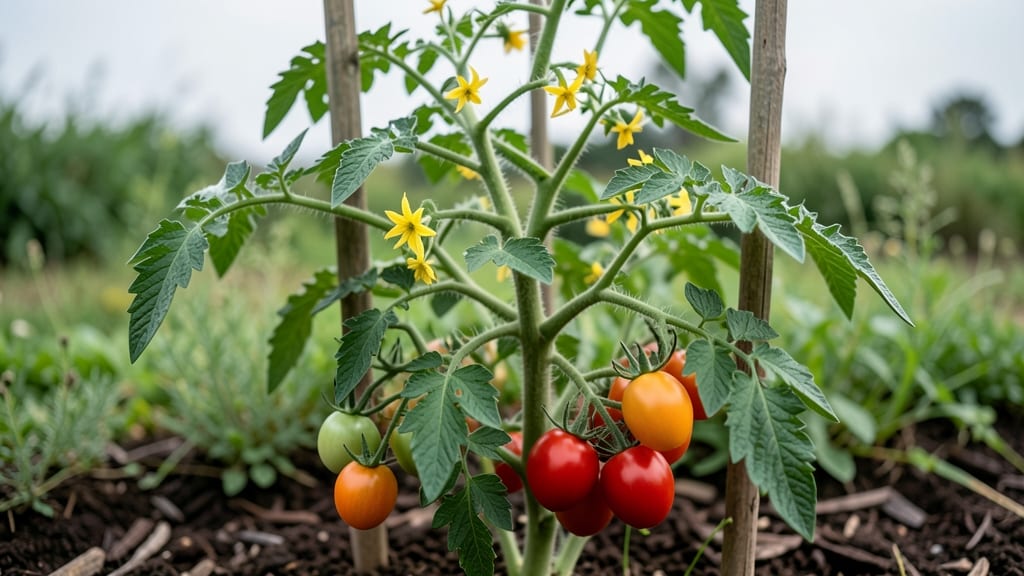
Understanding tomato days to maturity is the difference between a garden full of ripe 🍅 and one where your plants bolt before they produce.
You’ve probably picked a variety you love, only to watch it linger green long past the first frost. That’s where maturity timelines come in — they tell you exactly when to expect fruit, so you can time your planting for a harvest, not disappointment.
In Zone 6a, where spring planting kicks off in April, a 60-day variety like ‘Early Girl’ will be ready by early June, while a 90-day heirloom like ‘Brandywine’ needs a later start or a season-extending trick to avoid the cold.
Below, I’ll break down how to match varieties to your growing season, adjust for short or long summers, and even troubleshoot delays — so you can plan with confidence and enjoy tomatoes at their peak.
Tomato days to maturity: fastest to slowest varieties compared
Understanding tomato days to maturity helps you plan your garden like a pro. This number tells you how many days it takes from transplanting (or direct sowing) until you can harvest ripe fruit.
For tomatoes, this range spans from 40 days for the fastest varieties to over 100 days for heirlooms. Your last frost date and growing season length will determine which varieties work best in your zone.
Fast-maturing varieties are perfect for short-season gardens or container growing, while longer-season tomatoes reward patient gardeners with bigger yields. Let’s break down the spectrum so you can choose wisely. Whether you’re growing cherry tomatoes for snacks or beefsteak varieties for sandwiches, timing is everything!
Here’s the comparison table of tomato maturity timelines, organized by category and including real-world growing conditions:
Notice how cherry tomatoes often mature faster than slicing varieties? This is because their smaller size requires less energy to develop. For example, 'Sweet Million' (55 days) will ripen before 'Brandywine' (90 days), but the latter produces larger, meatier fruit.
If you’re in Zone 5 or cooler, prioritize varieties under 60 days to maturity to avoid frost.
Hybrid varieties like 'Early Girl' (60 days) are bred for speed and disease resistance, making them ideal for beginners. Meanwhile, heirloom tomatoes often take longer but offer unmatched flavor. For instance, 'Cherokee Purple' requires 85 days but delivers deep, smoky notes perfect for gourmet dishes.
Balance your garden with a mix of fast and slow varieties to extend your harvest window!
Pro tip: Check seed packets for days to maturity and subtract from your frost-free days. In Zone 7 with 180 frost-free days, a 60-day tomato will ripen by early August, while a 90-day variety might need a late start or greenhouse. Adjust your planting schedule accordingly to avoid disappointment.
Don’t forget that growing conditions like sunlight, soil temperature, and water consistency can tweak maturity timelines by 5-10 days. For example, container-grown tomatoes may mature slightly faster due to warmer root zones
How to adjust your planting schedule based on days to maturity
Understanding tomato days to maturity transforms your garden from a guessing game into a precision-planned harvest. Short-season varieties like Early Girl (55 days) need quick action, while heirlooms like Brandywine (85 days) demand patience and strategic timing.
The key is matching your last frost date with each variety's timeline to avoid frost damage or wasted space.
Start by calculating your frost-free growing season—subtract your average first frost date from your last frost date. For example, in USDA Zone 6a (like my garden), we have about 165 frost-free days.
If you plant Cherry Tomato 'Sweet 100' (50 days) on May 1st, you’ll harvest by June 20th—perfect for early salads but not ideal for late-season varieties.
- Step 1: 📅 Note your last frost date (e.g., April 15 in Zone 6a) and first frost date (e.g., October 15). Calculate your frost-free window (165 days).
- Step 2: 🌱 Subtract the days to maturity from your frost-free window. For a 70-day tomato, plant 95 days before frost (e.g., July 1 in Zone 6a).
- Step 3: ⏰ For short-season varieties (<60 days), plant 2-3 weeks after last frost to avoid early blight. For long-season varieties (>80 days), start indoors 6-8 weeks before last frost.
- Step 4: 🌡️ Adjust for soil temperature. Tomatoes need 60°F+ soil to germinate. Use a seedling heat mat if planting early.
- Step 5: 📋 Stagger plantings for a continuous harvest. Plant Sweet 100 (50 days) every 2 weeks from May to June for tomatoes all summer.
For short-season gardens (like mine in Zone 5), focus on fast-maturing varieties like Patio Princess (49 days) or Tiny Tim (50 days). These thrive in containers and can be planted as late as June 15 for a late-summer harvest.
Meanwhile, heirlooms like Cherokee Purple (80 days) need early starts—either direct-sow in April or transplant sturdy seedlings by May 1st.
Don’t forget to extend your season with row covers or cold frames for late varieties. I’ve used floating row covers to protect Beefsteak tomatoes (75 days) planted in early July, adding 2-3 extra weeks of growth before frost.
This simple trick turns a failed harvest into a bountiful late-season feast.
Pro tip: Keep a gardening journal to track your actual harvest dates versus the days to maturity listed on seed packets. Last year, my Sungold tomatoes (55 days) ripened 5 days early due to warm soil—now I adjust my schedule accordingly.
Your garden’s microclimate matters more than the seed company’s averages!
By mastering days to maturity, you’ll maximize space, avoid waste, and harvest tomatoes at peak flavor. Start with one variety per planting date, observe its progress, and refine your schedule each year. Happy planting—your tomato harvest is just a few weeks away! 🌱