
How To
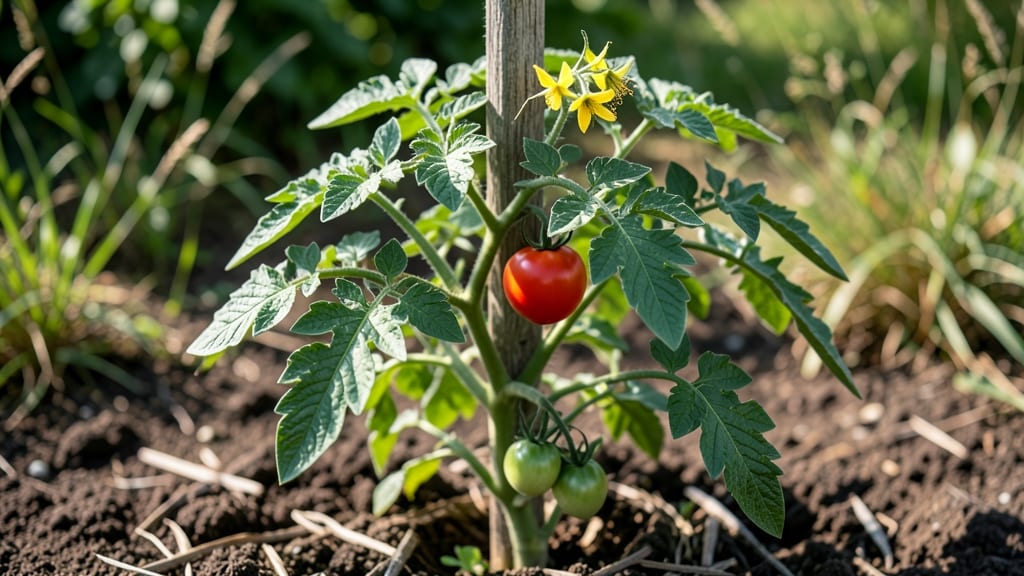
Harvesting tomatoes at the right time means knowing their exact days to maturity—and skipping the guesswork could mean the difference between a burst of sweet flavor and a bland, underripe bite.
Picture this: You’ve nurtured your 🍅 tomato plants all season, watching blossoms turn into tiny green fruits, only to wonder, "When will they finally ripen?" The answer isn’t just about counting days—it’s about matching your variety to your climate, adjusting for early or late starts, and spotting the subtle cues that tell you it’s time to pick.
From cherry tomatoes that mature in as few as 50 days to heirlooms that take 90 days or more, each type has its own timeline. Throw in factors like soil warmth, sunlight, and even your last frost date, and suddenly, those harvest windows start to shift.
Below, I’ll break down the exact timelines by variety, how to calculate your personal harvest date, and the telltale signs your tomatoes are ready to go from vine to table.
No more waiting too long or picking too soon—just peak flavor every time, tailored to your garden’s unique conditions.


Tomato variety harvest times: fastest to longest days to maturity
If you're eager to enjoy homegrown tomatoes, timing is everything. The days to maturity vary wildly between varieties—from 45-day cherry tomatoes to 90-day beefsteaks. These differences aren't just about patience; they directly impact flavor, yield, and even whether your plants finish before frost.
Let's break down the fastest to longest harvest timelines so you can plan your garden like a pro.
First, understand that days to maturity refers to the time from transplanting seedlings to harvest. This excludes the seed-starting window (usually 6-8 weeks indoors).
For example, a 50-day variety planted on May 1st will likely produce its first tomatoes by mid-June, while a 90-day heirloom might not ripen until late September. Your local climate plays a huge role—warmer regions can shave off 10-15 days from maturity timelines.
Here’s the key insight: cherry tomatoes and early hybrids are your fastest bets, while heirlooms and large slicing types need more time. Even within categories, a 45-day cherry like 'Tiny Tim' will outpace a 60-day beefsteak like 'Brandywine'.
Let’s dive into the exact timelines so you can match varieties to your growing season.
| Variety Type | Days to Maturity | Flavor Peak Window | Best For | Climate Notes |
|---|---|---|---|---|
| Cherry Tomatoes | 45-55 days | First 2-3 weeks after maturity | Containers, salads, snacking | Fastest in warm climates (Zone 8+) |
| Early Hybrid Slicers | 55-65 days | Weeks 3-5 after maturity | Sandwiches, short seasons | Ideal for Zone 5-7 |
| Heirloom Tomatoes | 75-90 days | Weeks 4-6 after maturity | Gourmet dishes, sauces | Longer seasons (Zone 7+) |
| Beefsteak Tomatoes | td style="padding: 10px; border-bottom: 1px solid #ddd;">80-90 daysWeeks 5-7 after maturity | Burgers, large slices | Needs warm, long growing season | |
| Indeterminate Varieties | 60-100+ days | Ongoing until frost | Continuous harvest | Best in frost-free climates |
Notice how cherry tomatoes and early hybrids mature in just 45-65 days, making them perfect for short seasons or container growing. These varieties often produce sweetest flavors early in their harvest window—ideal if you're racing against frost.
For example, 'Sweet 100' cherries hit peak flavor just 2 weeks after maturity, while 'Early Girl' slicers shine 3-4 weeks in.
Heirlooms and beefsteaks, however, require 75-90 days to reach maturity, with flavor peaking later. This means planning is critical—plant these in warmer microclimates or use row covers to extend the season.
A Brandywine heirloom, for instance, won’t deliver its signature rich taste until 6 weeks after maturity, so don’t harvest early just because the days are ticking by!
One pro tip: Adjust timelines by 5-10 days if you're in a cooler climate. For example, in Zone 5, a 60-day tomato might take 70 days to mature due to slower growth.
Conversely, in Zone 9, you could shave off 10 days from the timeline. Always check your last frost date and count backward from maturity to decide when to plant.
Flavor is another critical factor. While early hybrids may produce faster, their taste often peaks 3-4 weeks after maturity. Heirlooms, on the other hand, develop deeper flavors 5-6 weeks in, rewarding patience with complex, sweet profiles.
If you're growing for sauces or salsas, wait until the last week of the harvest window—that’s when sugars concentrate the most.
For container growers, focus on determinate varieties like 'Patio' or 'Tiny Tim', which mature in 50-60 days and thrive in pots. These compact plants also produce a burst of fruit early, giving you a quick harvest before space becomes limited. If
How to calculate your tomatoes’ exact harvest window based on planting date
Predicting your tomato harvest window isn’t just about counting days—it’s about understanding your local frost dates, variety-specific maturity, and how early or late planting affects ripening.
Whether you’re growing cherry tomatoes in containers or heirloom varieties in raised beds, this method ensures you’ll know exactly when to expect juicy, vine-ripened fruit. The key? Start with your last spring frost date and work backward (or forward) from there.
First, find your average last frost date for your USDA zone—this is the cutoff for planting most tomato varieties. For example, in Zone 6a, the last frost typically occurs around April 15. Add 4-6 weeks to this date to determine your ideal planting window.
If you’re starting seeds indoors, factor in 6-8 weeks before transplanting outdoors. Once you’ve planted, the next step is calculating your harvest window using your variety’s days to maturity.
Step-by-Step Harvest Window Calculation
- Step 1: Identify your tomato variety’s days to maturity. For example, ‘Sweet 100’ cherry tomatoes take 60 days, while ‘Brandywine’ heirlooms need 85 days.
- Step 2: Note your planting date (transplanting for seedlings or germination for seeds). If you planted on May 1, use this as your starting point.
- Step 3: Add the days to maturity to your planting date. For ‘Sweet 100’ planted on May 1, this equals June 30 (50 days later + 10 days for flowering).
- Step 4: Adjust for early/late planting. Planting too early (before soil warms to 60°F) delays growth, while late planting risks frost before harvest. Aim to finish 4-6 weeks before your first frost.
- Step 5: Account for climate variations. Hotter summers speed up ripening, while cool weather slows it. In Zone 7+, subtract 5-7 days; in Zone 5-, add 7-10 days.
- Step 6: Mark your harvest window on a calendar. For ‘Early Girl’ tomatoes (55 days), planted on April 20, your window opens around June 15. Plan to harvest 2-3 weeks before frost for late-season varieties.
💡 Pro Tip: Use a gardening journal to track actual harvest dates—this helps refine future predictions!
If you’re planting early varieties like ‘Stupice’ (50 days) or ‘Tiny Tim’ (55 days), you can often harvest as early as late June in warmer zones. For late-season varieties like ‘Black Krim’ (80 days) or ‘Cherokee Purple’ (85 days), aim to plant by mid-May to avoid frost.
In cooler climates, consider row covers or greenhouses to extend your growing season by 2-4 weeks.
Don’t forget to account for flowering delays caused by stress—heatwaves, drought, or poor soil can push back your harvest by 1-2 weeks. If your plants flower but drop blossoms, check for temperature fluctuations (tomatoes need consistent 70-85°F for pollination).
For container growers, smaller pots may slow maturity by 5-10 days, so choose 5-gallon containers or larger for optimal growth.
Once you’ve calculated your window, set reminders to monitor fruit development closely. Early harvests (before full color) can be ripened indoors with paper bags, but vine-ripened tomatoes always taste better. Start harvesting when 50-70% of fruit is mature—this prevents overcrowding and ensures continuous production.
In Zone 6a, this might mean staggered harvests from July through September, depending on your varieties.
With this method, you’ll never guess when your tomatoes will be ready again. Whether you’re planning a summer salsa festival or just craving fresh slices, knowing your exact harvest window turns gardening from a gamble into a predictable, rewarding process. Happy growing—and may your tomatoes be plentiful! 🌱