
How To
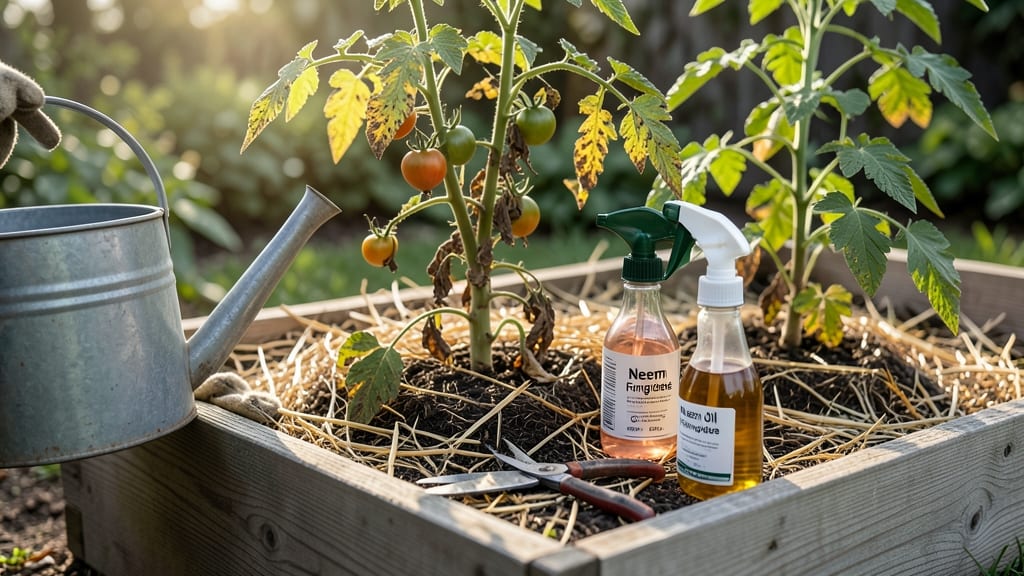
Your tomatoes are showing the first signs of tomato blight treatment—those telltale brown spots and crinkled leaves. 🌱 The copper soak method can rescue your plants before the disease spreads, and I’ve saved multiple harvests using it myself after my first season’s devastating late blight outbreak.
The key is acting fast: copper disrupts the fungal spores without harming your plants, and it works best when applied at the first sign of yellowing or spotting. You’ll need a simple mix of copper fungicide (or homemade solution) and a few minutes of soaking time—no fancy equipment required.
Within a week, you’ll see new growth pushing out, and the existing damage will stop spreading. The plants may look rough at first, but with consistent treatment, they’ll rebound and produce fruit just like before.
This method works for both early and late blight, and it’s safe enough to use right up until harvest. Let’s get those tomatoes back on track!
Root Causes Of Tomato Blight
Tomato blight—especially the dreaded Phytophthora infestans (late blight) and Alternaria solani (early blight)—isn’t just a random attack on your garden. It thrives because of specific conditions that create the perfect storm for fungal spores to spread like wildfire.
Understanding these triggers is half the battle in preventing (and treating) blight before it ruins your harvest. Let’s break down the real culprits behind those telltale crinkled, brown, or moldy leaves.
Blight spores love water—like, obsessively. High humidity (above 75%) and prolonged leaf wetness (more than 4–6 hours) create a spa-like environment for fungal growth. Here’s why:
- Spores need water to germinate. Rain, overhead irrigation, or even morning dew can splash spores from infected plants or soil onto healthy leaves, kickstarting an outbreak.
- Poor airflow = fungal paradise. Dense foliage or crowded plants trap moisture, while compacted or poorly drained soil keeps roots soggy, weakening the plant’s defenses.
- Cool, wet nights accelerate spread. Temperatures between 50–77°F (10–25°C) are ideal for Phytophthora, while Alternaria thrives in warmer, humid conditions (75–85°F / 24–29°C).
Actionable fix: Space plants for airflow, water at the base (not overhead), and avoid planting tomatoes in low-lying areas where water pools.
Blight isn’t just airborne—it hibernates in your soil and garden refuse. Here’s how:
- Surviving spores in soil. Fungal spores can live for years in organic matter, especially in compost, mulch, or old tomato stems left in the ground.
- Infected plant remnants. If you didn’t remove last year’s blighted leaves or haul away compost from a contaminated pile, spores are waiting to reinfect.
- Contaminated tools or hands. Pruners, gloves, or even your shoes can carry spores from one plant to another.
Actionable fix: Practice crop rotation (avoid planting tomatoes or potatoes in the same spot for 3+ years), sterilize tools with a 10% bleach solution, and remove all plant debris by burning or bagging it (not composting).
Blight exploits plants that are already struggling. Common stress factors include:
- Nutrient deficiencies. Low potassium (K) or nitrogen (N) weakens cell walls, making them easier targets. Blight thrives in plants that look yellowing or stunted.
- Physical damage. Hail, pests (like aphids), or rough handling create entry points for spores to invade.
- Extreme temperature swings. Sudden heat or cold shocks (e.g., late spring frosts or summer drought followed by rain) stress plants, lowering their resistance.
Actionable fix: Feed tomatoes with a balanced fertilizer (10-10-10 or 5-10-10) and mulch to stabilize soil temperature. Avoid overwatering during heatwaves.
Blight doesn’t just jump between tomatoes—it hops from other hosts in your garden. Common culprits:
- Potatoes. Phytophthora infestans (the Irish potato famine pathogen) attacks both tomatoes and potatoes. If your spuds had blight, your tomatoes are at risk.
- Peppers, eggplants, and petunias. These solanaceous plants can carry Alternaria or Phytophthora and spread it to tomatoes.
- Weeds. Nightshade weeds (like Solanum nigrum) are blight reservoirs.
Actionable fix: Remove all solanaceous plants from the garden if blight appears, and avoid planting tomatoes near potatoes or peppers.
Blight spreads exponentially—meaning one ignored leaf can become a full plant in days. Common mistakes:
- Delaying removal of infected leaves. Even a single brown, crinkled leaf with white mold (Phytophthora) or dark spots (Alternaria) is a breeding ground.
- Using contaminated compost or manure. Fresh manure or unsterilized compost can introduce spores.
- Skipping preventive sprays. Copper-based fungicides (like the one in this article!) disrupt spore germination before it starts.
Actionable fix: Inspect plants weekly, remove suspect leaves immediately, and apply a copper fungicide every 7–10 days during rainy seasons.
Quick Fixes for Blighted Tomatoes
Got crinkled, spotted, or wilting tomato leaves? Don’t toss those plants just yet! Here’s how to reverse the damage and save your harvest—whether your tomatoes are suffering from early blight, late blight, or bacterial spot.
These solutions are practical, fast, and garden-proof, so you can get back to enjoying fresh, homegrown tomatoes in no time.
Blight spreads like wildfire, so time is tomato (pun intended). The first rule of blight treatment? Stop the spread ASAP. - 🍂 Prune infected leaves immediately – Use sterilized pruners (wipe with rubbing alcohol between cuts) and remove only the damaged parts.
Never compost blighted plant material—toss it in the trash (not your compost bin!). - 🌡️ Isolate affected plants – If possible, move them to a separate area of your garden or even a container to prevent spores from jumping to healthy plants. - 🌧️ Avoid watering overhead – Wet leaves = blight’s favorite breeding ground. Water at the base in the early morning so foliage dries quickly.
Copper is a natural fungicide that disrupts blight spores’ ability to infect your plants.
Here’s how to use it effectively: - 🔪 Mix a copper solution: - Option 1 (Store-Bought): Use a ready-to-use copper fungicide (like Copper Soap or Bordeaux Mixture) and follow label instructions. - Option 2 (DIY): Dissolve 1 tsp of copper sulfate in 1 gallon of water (wear gloves—it’s toxic!).
For a gentler version, use 1 tbsp of baking soda + 1 tsp of vegetable oil + 1 gallon of water (spray on dry leaves only). - 👨🍳 Apply it right: - Spray thoroughly on both sides of leaves, stems, and even the soil around the base. - Reapply every 7–14 days (or after rain) until new growth appears blight-free. - 🌡️ Best time to spray: Early morning or late afternoon (avoid peak sun to prevent leaf burn).
A healthy tomato plant fights back against blight.
Give yours a nutrient boost to outsmart the fungus: - 💪 Fertilize smartly: - Use a balanced fertilizer (10-10-10 or 5-5-5) lightly—too much nitrogen = softer leaves = blight’s dream. - Avoid fresh manure (it can introduce more pathogens). - 🌱 Strengthen roots with compost tea – Brew a compost tea (steep compost in water for 24–48 hours, strain, and dilute 1:1 with water) and water at the base to feed beneficial microbes. - 🍎 Foliar feed with seaweed extract – Spray diluted seaweed extract (1 tsp per gallon of water) to boost natural defenses.
Prevention is key—fix these common mistakes to keep blight at bay:
- 🌿 Space plants properly – Crowded tomatoes = poor airflow = blight’s playground. 3–4 feet apart is ideal.
- 🌅 Rotate crops yearly – Never plant tomatoes (or nightshades like peppers/eggplants) in the same spot two years in a row.
- 🧹 Clean up debris – Remove all plant waste (especially from last year’s garden) to starve blight spores.
- 🌱 Choose resistant varieties – Next season, opt for blight-resistant tomatoes like ‘Mountain Merit,’ ‘Defiant PhR,’ or ‘Bush Early Girl.’
- 🔥 Mulch with straw – Keeps soil moist (blight loves dry soil + wet leaves) and reduces spore splash. - 🎯 Use a reflective mulch – Aluminum foil or white plastic around plants can confuse pests and reduce stress (less stress = stronger plants). - 🌡️ Monitor humidity – Blight thrives in wet, warm conditions.
Use a fan on low near plants if your garden is humid. - 🌱 Companion plant with marigolds – Their natural fungicidal properties can help repel blight spores.
Remember: If your tomatoes are already too far gone, it’s better to remove and replace them than risk spreading blight to your entire garden. But with these steps, most plants bounce back—and you’ll be enjoying juicy, blight-free tomatoes in weeks! 🍅✨
Frequently asked questions
What’s the difference between early blight and late blight in tomatoes?
Early blight (Alternaria solani) shows as concentric brown spots on older leaves, while late blight (Phytophthora infestans) creates greasy-looking, white mold on both leaves and stems. Early blight spreads slowly and affects lower leaves first, while late blight moves rapidly and can destroy plants in days.
Can I still harvest tomatoes from blight-infected plants?
Yes, but only from healthy-looking fruit that’s already formed. Remove all infected leaves and fruit immediately—blight can spread through the plant. Harvest ripe tomatoes first, then prune the rest. Avoid touching healthy fruit with contaminated hands or tools.
How often should I apply copper fungicide for prevention?
Apply a copper solution every 7–10 days during rainy seasons or when humidity is high. For active blight, spray every 5–7 days until new growth appears. Always follow label instructions—overuse can harm plants.
Will baking soda really help with tomato blight?
Yes, but it’s preventative only—not a cure. Mix 1 tbsp baking soda + 1 tsp oil + 1 gallon water and spray on dry leaves. It works best when used before blight appears, not after symptoms show. Reapply weekly during wet conditions.
Can I save my tomato plants if they’re already 50% infected?
It depends! If the blight is late blight (Phytophthora), the plant may not recover—remove it immediately. For early blight, prune aggressively, apply copper, and isolate the plant. If you act fast, some plants bounce back, but expect reduced yield.