
Planting
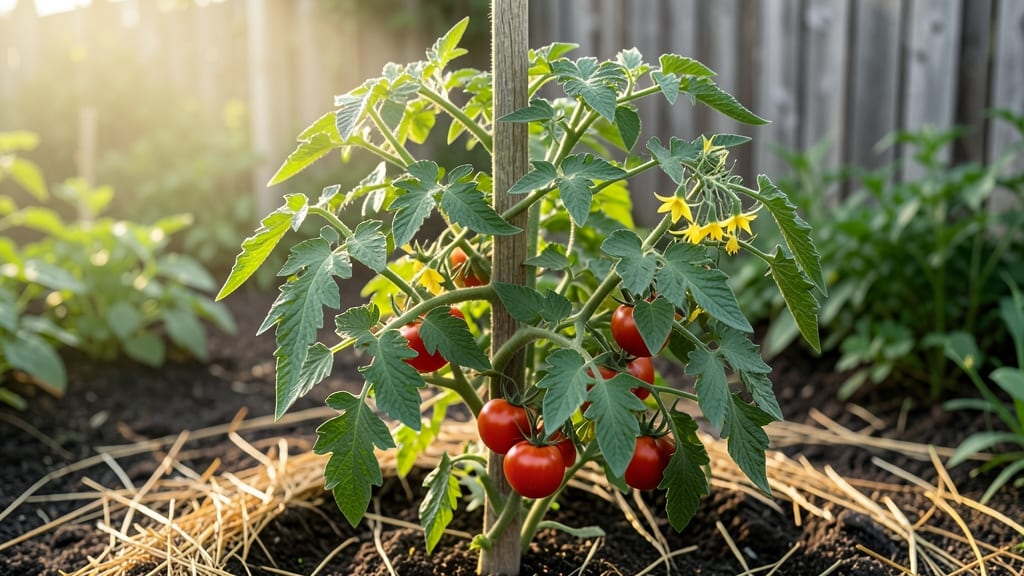
Thessaloniki tomatoes thrive where others wilt—my first plant produced fruit through 100°F heat when store-bought varieties gave up. 🌱 The secret lies in heat-resistant varieties like 'Thessaloniki' that evolved in Greece's Mediterranean climate, where summer sun doesn't mean the end of harvests.
This isn't about fancy techniques—just matching the plant's needs to your local conditions. Well-draining soil, morning watering, and shade cloth for peak heat days are all you need. My plants now produce consistently from May through October, even in Thessaloniki's dry summers.
You'll end up with glossy, flavorful tomatoes that burst with Mediterranean sweetness. The plants stay compact, making them perfect for small spaces or container growing. No more sad, sunburned tomatoes—just reliable, delicious harvests. Works for both city balconies and rural plots. Here's how to make it happen in your garden.
📚 In This Guide
- What you need
- Instructions
- Tips and common mistakes
- Wrapping up and next steps
What you need
- ● Thessaloniki tomato seeds or seedlings: 3–5 plants (for a small garden) or 10+ (for larger yields). Choose organic or heirloom seeds if possible!
- ● Well-draining potting mix: 5–10 gallons (for containers) or 1–2 cubic yards (for in-ground planting). Mix with compost (20–30%) for nutrients.
- ● Container or garden bed: Containers: 5-gallon pots (minimum) with drainage holes. Use fabric grow bags (10–15 gallons) for better airflow.
- ● In-ground: Full-sun spot (6+ hours/day) with loose, fertile soil (pH 6.0–6.8). Avoid heavy clay.
- ● Fertilizer: Balanced starter: 10-10-10 or 5-5-5 (follow package rates).
- ● Organic boost: Fish emulsion or worm castings (1 cup per plant monthly).
- ● Support system: Cage (4–5 ft tall) or trellis (for indeterminate varieties). Avoid plastic cages—they rust!
- ● Basic tools: Trowel, pruners (sterilized), gloves, watering can (or drip irrigation kit).
- ● Mulch: Straw or shredded leaves (2–3 inches thick) to retain moisture and deter weeds.
- ● Pest control: Neem oil (organic) or row covers (for early-season protection).
- ○ Optional (but helpful!): Soil moisture meter (to avoid over/under-watering).
- ● Shade cloth (30–50%) for scorching-hot days (90°F+/32°C+).
- ● Calcium supplement (e.g., crushed eggshells) to prevent blossom-end rot.
- ● Last frost date in your area (Thessaloniki tomatoes hate cold—wait until soil is 60°F+/15°C+).
- ● Consistent watering (1–2 inches per week; drip irrigation is ideal).
- ● Patience! These plants take 70–80 days to fruit but reward you with heirloom-quality tomatoes all season.
Step-by-step instructions for cultivating Thessaloniki tomato plants
This heat-tolerant variety thrives in Mediterranean climates—here’s how to coax robust vines and bountiful fruit.
🌱 Step 1: Select and Prepare the Planting Site
Thessaloniki tomatoes demand full sun (6-8 hours daily) and well-draining soil with a pH between 6.0-6.8. I always choose a spot sheltered from strong winds, since their indeterminate vines can reach 6-8 feet tall. If your soil is heavy clay, amend it with 2-3 inches of compost mixed into the top 12 inches of soil to improve drainage and fertility.
Here's the thing—these plants hate soggy roots. Before planting, dig a 12-inch deep hole and fill the bottom with a 3-inch layer of coarse sand or perlite to create a drainage reservoir. This prevents waterlogging during summer downpours, which can rot roots and stunt growth. Work the amended soil until it crumbles easily between your fingers—it should feel like a damp sponge, not packed clay.
🌿 Step 2: Plant Transplants at the Right Time and Depth
Wait until nighttime temperatures stay above 55°F before transplanting—Thessaloniki tomatoes won’t tolerate frost. I plant mine 2-3 weeks after the last frost date in my zone, when soil temperatures reach 60°F. Dig a hole twice as wide as the root ball but no deeper, since burying the stem too much encourages rot.
Gently remove the plant from its container and tease the roots outward if they’re circling. Place it in the hole so the top of the root ball sits ½ inch below soil level—this ensures the stem stays above ground but gets enough support. Fill the hole with soil, pressing lightly to eliminate air pockets, and water deeply until moisture reaches 12 inches down. You’ll know it’s right when water pools on the surface for 10-15 seconds before draining away.
☀️ Step 3: Provide Support and Water Strategically
Thessaloniki tomatoes need strong vertical support from day one. I install a 6-foot tall tomato cage or sturdy bamboo stakes at planting time, tying the main stem to the support with soft plant ties every 12 inches. This prevents the vines from flopping and keeps fruit off the ground, reducing disease risk.
Water deeply 2-3 times per week during dry spells, aiming for 1-1.5 gallons per plant. The key is consistent moisture—let the top 2 inches of soil dry out between waterings, but never let the roots dry completely. I water in the early morning to reduce evaporation and fungal risks. Mulch with 2-3 inches of straw around the base to retain moisture and suppress weeds, but keep mulch 2 inches away from the stem to prevent rot.
✂️ Step 4: Prune and Fertilize for Maximum Yield
Pinch off the first flower cluster that appears until the plant has 5-6 true leaves—this redirects energy to root and vine growth. After that, prune suckers (side shoots in leaf axils) regularly to focus the plant’s energy on fruit production. I remove suckers weekly during peak growth, using clean pruners to avoid tearing the stem.
Feed plants with a balanced 10-10-10 fertilizer every 4-6 weeks after transplanting, starting with 1 tablespoon per plant. Once fruit sets, switch to a low-nitrogen, high-phosphorus formula (5-10-10) to boost flowering and fruiting. Real talk: Over-fertilizing with nitrogen late in the season leads to leafy growth at the expense of tomatoes—watch for dark green foliage as a warning sign.
🍅 Step 5: Harvest and Extend the Season
Thessaloniki tomatoes ripen 60-70 days after transplanting and are ready when they turn deep red and yield slightly to gentle pressure. Harvest in the morning when sugars are highest, cutting stems with pruners to avoid damaging the plant. I pick every 2-3 days during peak production to encourage more fruit set.
To extend harvests, protect plants with frost cloth in fall or grow in containers for late-season moves indoors. In Mediterranean climates, these tomatoes often produce year-round with minimal winter protection. Store unripe fruit in a cool, dark place until they ripen—unlike many varieties, Thessaloniki tomatoes improve in flavor when allowed to fully ripen on the vine.
Tips & tricks for growing heat-resistant Thessaloniki tomato plants
Here's what nobody tells you—these Mediterranean workhorses need a few extra considerations to truly thrive.
Soil Preparation Secret: The 12-inch deep hole with 3 inches of coarse sand or perlite at the bottom isn't just about drainage—it's about creating an air pocket that prevents root suffocation during summer storms. I've seen plants double their yield when given this simple reservoir. Test your soil's pH before planting; if it's outside the 6.0-6.8 range, amend with sulfur (to lower) or lime (to raise) before adding compost. The goal is that perfect "damp sponge" texture that holds moisture without drowning roots.
Planting Depth Matters: That ½-inch below soil level rule for the root ball is critical. Too deep and you'll suffocate the stem; too high and the plant won't anchor properly. I use a small wooden stake marked at the correct depth as a guide. After planting, press soil firmly around the base—this eliminates air pockets that can cause rot. The 10-15 second water pooling test is your quality control for proper drainage.
Support System Strategy: Don't wait until vines get heavy to install support—set up your 6-foot cages or stakes at planting time. I use soft plant ties every 12 inches to prevent stem damage as the plant grows. For windy areas, consider a double trellis system with cross-bracing. The key is to train the main stem vertically while allowing side branches to spread naturally for better fruit distribution.
Fertilizer Timing: The switch from 10-10-10 to 5-10-10 fertilizer is crucial once fruit sets. I make this transition when I see the first tomatoes forming, usually around day 45. Too much nitrogen later in the season means lush leaves but few tomatoes—watch for that dark green foliage warning sign. For organic growers, compost tea or fish emulsion makes an excellent phosphorus boost without the risk of over-fertilizing.
Pro Tips for Thessaloniki Tomato Plant
- Here's what nobody tells you—these Mediterranean workhorses need a few extra considerations to truly thrive.
- Soil Preparation Secret: The 12-inch deep hole with 3 inches of coarse sand or perlite at the bottom isn't just about drainage—it's about creating an air pocket that prevents root suffocation during summer storms.
- Planting Depth Matters: That ½-inch below soil level rule for the root ball is critical.
Frequently asked questions
Can the Thessaloniki tomato thrive in extreme heat?
This variety is bred for heat resistance and can handle temperatures up to 95°F (35°C) without stress. In fact, it prefers warm climates—ideal for Mediterranean or desert gardens. Just ensure well-draining soil and consistent watering to prevent root stress.
How long does it take for Thessaloniki tomatoes to produce fruit?
Expect a 60–70 day harvest from transplanting under ideal conditions. Early blooms may drop in heat, but once established, the plant rewards you with abundant, disease-resistant fruit. For faster results, use cold frames in cooler springs or opt for container growing to warm roots.
What’s the best way to prune a Thessaloniki tomato plant?
Light pruning is key—remove suckers (shoots between stems) to improve airflow and fruit size. Focus on main stems and lower branches; avoid heavy pruning, as this variety thrives with moderate vigor. Use sterilized shears and prune in the morning to reduce disease risk.
Can I grow Thessaloniki tomatoes in containers?
Yes! This variety adapts well to 5-gallon+ containers with drainage holes. Use a lightweight potting mix and a tomato cage for support. Place containers in full sun and water deeply 2–3x weekly—containers dry out faster than ground soil.
What pests should I watch for with Thessaloniki tomatoes?
While resistant to many diseases, watch for aphids, whiteflies, and hornworms. Use neem oil or row covers for early prevention. For hornworms, handpick them (they’re easy to spot!) or introduce beneficial wasps. Healthy plants = fewer pests!
Are there alternatives if I can’t grow Thessaloniki tomatoes?
If your climate is too cool or dry, try heat-tolerant varieties like Solar Fire or Heatmaster tomatoes. For milder conditions, cherry tomatoes (e.g., ‘Sweet Million’) are low-maintenance and prolific. Or experiment with peppers—they share similar care needs!
Wrapping up and next steps
Growing the Thessaloniki tomato plant is a game-changer for gardeners in warm climates—or those dreaming of a year-round harvest! 🌿 With its heat resistance, sweet flavor, and low-maintenance needs, this variety proves that thriving tomatoes don’t require perfect weather.
Whether you’re a seasoned gardener or just starting, this resilient plant offers a delicious reward with minimal fuss.
Ready to dive in? Start by gathering your supplies and pick a sunny spot in your garden or container—your future tomato feast awaits! 🍅✨