
Companion Plants
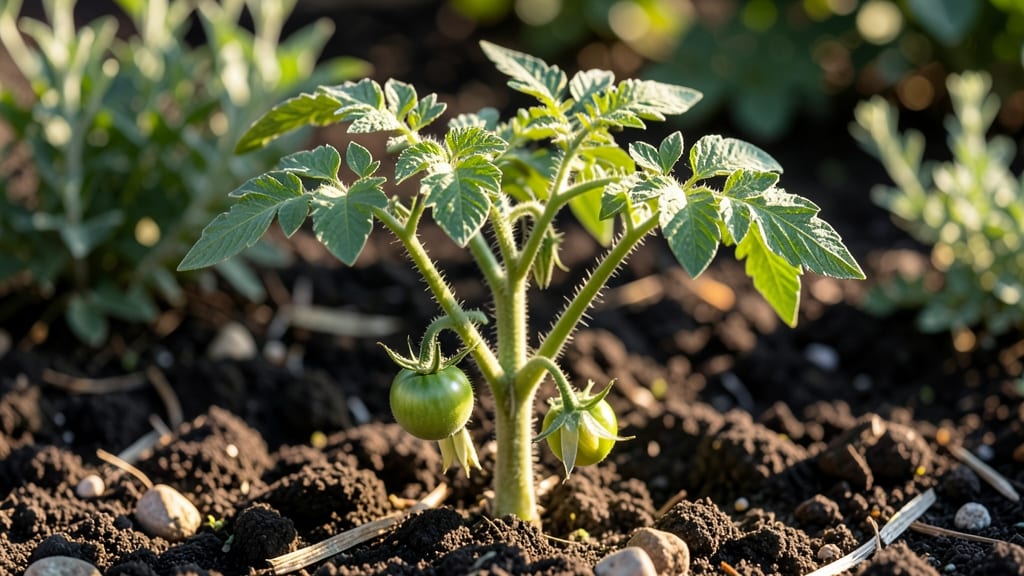
Slow growing tomato plants frustrate even the most patient gardeners—until you learn the pruning secrets that turn leggy stems into bushy, productive powerhouses. 🌱 I’ve nursed back more than a dozen struggling plants using these simple techniques, and the difference is shocking: plants that once looked half-dead now burst with new growth within weeks.
The real fix starts with pruning at the right time and in the right way—not just hacking away, but redirecting energy to where it matters.
You’ll focus on removing suckers (those little shoots between stems) and thinning crowded branches, which forces the plant to put its energy into fewer, stronger stems. This isn’t about cutting everything back—it’s about strategic pruning to encourage a stockier, more resilient plant.
By the end of summer, you’ll see thicker vines, more flowers, and heavier fruit than you’ve ever had before. The key is consistency: check your plants weekly, and you’ll catch problems before they spiral. Even my blackest thumbs have turned around slow-growing tomatoes this way.
Works for both determinate (bush) and indeterminate (vining) varieties, whether you’re growing in pots or garden beds. Let’s get those plants growing like they should!
📚 In This Guide
- What you need
- Instructions
- Tips and common mistakes
- Wrapping up and next steps
What you need
- ● Tomato plants: Choose slow-growing varieties like Sungold or Roma (1-3 plants, depending on space).
- ● Pruning shears: Sharp, clean bypass pruners (avoid anvil types—they crush stems).
- ● Garden gloves: Durable, breathable pair to protect hands from thorns.
- ● Organic mulch: Straw or shredded leaves (2-3 inches thick) to retain moisture.
- ● Balanced fertilizer: 10-10-10 or compost (1 cup per plant, every 4-6 weeks).
- ● Support system: Cages (5-6 ft tall) or stakes (6 ft long) for vertical growth.
- ● Watering can or hose: With a gentle spray nozzle for hydration.
- ● Plant ties: Soft fabric strips to secure vines to stakes.
- ● Aspirin water: 1 crushed aspirin in 1 gallon of water (spray on cuts to prevent disease).
- ● Companion plants: Basil or marigolds (plant nearby to deter pests).
- ○ Growth regulator: Optional pinch-off spray to slow early flowering.
Step-by-step pruning guide for revitalizing slow-growing tomato plants
Here’s how I transform leggy, underperforming tomato plants into bushy, productive powerhouses—no fancy tools required.
✂️ Step 1: Identify and Remove Suckers Early
Suckers are the small shoots that form in the leaf axils (where stems meet leaves). These energy vampires divert nutrients from fruit production. I prune them when they’re no bigger than a pencil—this prevents stress on the plant and keeps growth focused on your tomatoes. Use clean, sharp pruners or your fingers to pinch them off at the base.
Real talk: If you wait until suckers are 3-4 inches long, you’ll stunt your plant’s recovery. I check for them every 5-7 days during the growing season. Focus on the lower third of the plant first—those suckers are the biggest culprits for leggy growth.
🌿 Step 2: Thin Out Overcrowded Leaves
Slow-growing tomatoes often have dense foliage that blocks sunlight and air circulation. I target yellowing or shaded leaves first—these are the ones stealing energy from fruit production. Use your pruners to trim back one-third of the foliage at the plant’s base, working upward. This opens the canopy and lets light reach the lower fruit clusters.
Watch for mushrooming (when leaves grow in dense clusters). These areas trap moisture and invite disease. Thin them out aggressively—your plant will reward you with stronger stems and more sunlight exposure for existing fruit.
☀️ Step 3: Prune for Better Airflow and Light Penetration
After removing suckers and thinning leaves, step back and assess the plant’s structure. You want light to reach the inner branches and air to circulate freely. I prune any branches growing straight upward (called “wolf shoots”) or those crossing over others—these compete for resources and create shade.
Leave 3-4 main stems (for indeterminate varieties) or 1-2 strong stems (for determinate varieties). This ensures the plant’s energy goes into fruit development rather than supporting unnecessary growth. You’ll see thicker stems and fewer leggy branches within 2-3 weeks of consistent pruning.
💧 Step 4: Support and Train Remaining Growth
Now that you’ve pruned, it’s time to guide the plant’s remaining energy toward productive growth. Tie the main stems to a sturdy stake or trellis (I use 6-foot bamboo stakes for indeterminate varieties). This prevents stems from flopping and encourages upward growth rather than sprawling.
For indeterminate tomatoes, I pinch off the top growth once the plant reaches the top of the stake. This redirects energy to lower branches and boosts flowering and fruiting. You’ll notice new side shoots forming within 10-14 days—these will produce more fruit clusters.
⏰ Step 5: Monitor and Adjust for Continuous Growth
Pruning isn’t a one-time fix—it’s an ongoing conversation with your plant. Check your tomatoes weekly for new suckers or overcrowded leaves. In late summer, reduce pruning to allow the plant to harden off for fall. Stop pruning 4-6 weeks before your first frost to let the plant focus on ripening existing fruit.
Here’s the thing—if your plant still looks slow after 3 weeks, it might need more sunlight (tomatoes crave 6-8 hours of direct sun daily) or better soil nutrition (a balanced fertilizer like 10-10-10 applied mid-season works wonders). Adjust accordingly, and you’ll see bushier, more productive growth in no time.
Tips & tricks for revitalizing leggy tomato plants
These pruning secrets will transform your sprawling tomato plants into vigorous, high-yielding bushes—without sacrificing a single fruit.
Timing Secret: The 5-7 day sucker-check interval is non-negotiable for indeterminate varieties. I've seen plants recover completely in just 2-3 weeks when you stay consistent—think of it like a garden gym routine. For determinate varieties, you can stretch this to 7-10 days since they naturally stop growing. The key is to catch those pencil-sized suckers before they become resource hogs.
Pruning Technique: When thinning leaves in Step 2, I make my cuts at a 45-degree angle just above a leaf node. This prevents water from pooling on the cut and invites new growth from that exact spot. For stubborn mushrooming clusters, I use a one-third rule: remove every third leaf in the dense area to maintain airflow while keeping enough foliage for photosynthesis. This creates that perfect balance between light penetration and leaf coverage.
Equipment Upgrade: Skip the fancy pruners—your fingers work perfectly for suckers, but invest in a small pair of bypass pruners for thicker stems. I keep a pair tucked in my gardening apron at all times. For larger plants, a folding saw (like the Felco F-2) handles those thick stems like butter. Always sterilize your tools with rubbing alcohol between plants to prevent disease spread.
Seasonal Strategy: The 4-6 weeks before frost cutoff is your plant's final push to mature fruit. I mark my calendar with colored flags to remind myself when to start tapering off aggressive pruning. For late-season plants, I focus only on removing diseased leaves and yellow foliage—no more suckers! This lets the plant redirect all its energy to ripening what's already there. Think of it as giving your tomato a final growth spurt before winter.
Pro Tips for Slow Growing Tomato Plants
- These pruning secrets will transform your sprawling tomato plants into vigorous, high-yielding bushes—without sacrificing a single fruit.
- Timing Secret: The 5-7 day sucker-check interval is non-negotiable for indeterminate varieties.
- Pruning Technique: When thinning leaves in Step 2, I make my cuts at a 45-degree angle just above a leaf node.
Frequently asked questions
Got questions about slow-growing tomato plants? You’re not alone!
Here are some of the most common concerns—and practical solutions—to keep your tomatoes thriving and productive.
Why is my tomato plant growing so slowly?
Slow growth often stems from underwatering, poor soil nutrition, or insufficient sunlight. Check if your plant’s soil is dry an inch below the surface and amend it with compost or a balanced fertilizer (like 10-10-10). If space is limited, consider companion planting to maximize sunlight exposure.
How long does it take for pruned tomato plants to recover?
With proper care, pruned tomato plants typically bounce back in 2–4 weeks. Focus on watering deeply 2–3 times per week and avoiding over-pruning (never remove more than 1/3 of the foliage at once). Look for new growth within 7–10 days—if not, check for pests or nutrient deficiencies.
Can I still get a good harvest if my plant is slow-growing?
Slow-growing plants often produce smaller but sweeter tomatoes with concentrated flavor. Prune strategically to encourage bushier growth (remove suckers and lower leaves) and use companion plants like basil or marigolds to boost yields. Patience pays off—focus on quality over speed!
What if my slow-growing tomato plant gets stressed by weather?
Extreme heat, cold, or drought can stall growth. Mulch heavily to retain moisture, provide shade cloth in scorching climates, and avoid fertilizing during stress. For cold snaps, use row covers or move potted plants to a sheltered spot. Recovery depends on how quickly you address the issue—consistency is key!
Are there slow-growing tomato varieties worth trying?
Yes! If you prefer low-maintenance plants, try ‘Solar Fire,’ ‘Mountain Merit,’ or ‘Celebrity’—these are disease-resistant and thrive in cooler climates. For bush varieties, ‘Patio Princess’ or ‘Tiny Tim’ are compact and productive. Always check your hardiness zone for best results.
Still stuck? Drop your question in the comments—we’re happy to help!
Wrapping up and next steps
Growing slow tomato plants doesn’t mean sacrificing a bountiful harvest—it just means working smarter, not harder! With the right pruning techniques, companion plants, and a little patience, you’ll transform those leggy stems into lush, productive bushes bursting with flavorful fruit. 🌱✨
Ready to turn your garden into a tomato powerhouse? Start by applying these pruning secrets this week, then experiment with companion plants like basil or marigolds to boost growth naturally.
Every snip and companion pairing brings you one step closer to a sun-ripened, homegrown feast—so grab those shears and get growing!