
Vegetables
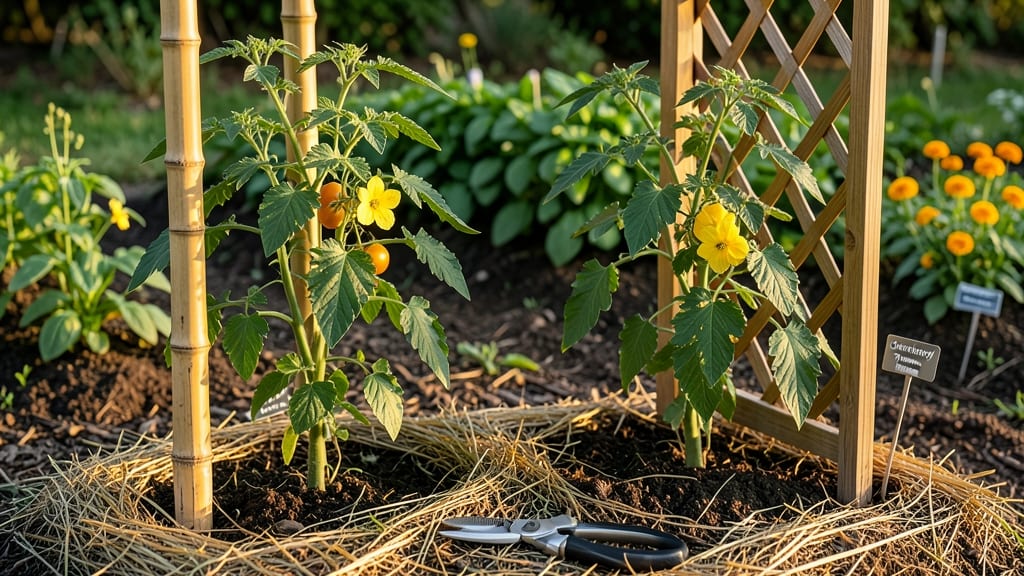
Choosing between Rutgers tomatoes and beefsteak varieties comes down to space and ambition. 🌱 The Rutgers is a compact, determinate bush that tops out at 4 feet, while beefsteaks are indeterminate vines that can climb 6-10 feet with proper support.
If your yard is small or you prefer tidy plants, Rutgers delivers reliable harvests without the sprawl.
Both thrive in full sun and well-draining soil, but beefsteaks demand more attention—sturdy cages, regular pruning, and consistent watering to support their towering growth. Rutgers, meanwhile, produces heirloom-style fruit in clusters, making them perfect for containers or tight spaces. They ripen all at once, ideal for canning or fresh eating.
Flavor-wise, Rutgers offers a sweet, balanced taste with fewer seeds, while beefsteaks deliver bold, meaty slices perfect for sandwiches. Rutgers yield 50-100 lbs per plant in a season, while beefsteaks produce fewer but larger fruits—1-2 lbs each—when given proper care.
Pests like blight and hornworms target both, but beefsteaks’ sprawling habit can make them harder to monitor.
For small gardens or beginners, Rutgers is the foolproof choice. If you have vertical space and dream of showstopper slices, beefsteaks reward patience with restaurant-quality harvests. Either way, both varieties bring big flavor to your table—just choose your battlefield wisely.
The first product explained
Meet the Rutger tomato—the unsung hero of home gardens and small-space growers! 🌱🍅 This heirloom variety is a dwarf powerhouse, perfect for containers, balconies, or tight garden plots. Let’s break down why this compact tomato steals the spotlight in any veggie patch.
📏 Specs & Features
- Height: Typically grows 2–3 feet tall, making it ideal for vertical gardening or small pots.
- Fruit Size: Medium-sized tomatoes, averaging 3–5 inches in diameter, with a classic red hue.
- Flavor Profile: Sweet, balanced, and slightly tangy—great for slicing, salads, or sauces.
- Growth Habit: Indeterminate (but stays compact), producing fruit all season long.
- Days to Maturity: Around 70–80 days from transplant.
- Cold Tolerance: More resilient than many varieties, handling cooler temps better.
🎯 Target Users
The Rutger tomato is a gardener’s best friend for:
- 🏡 Urban gardeners with limited space (balconies, patios, or rooftops).
- 🌿 Container growers who love big flavor in small pots (5-gallon containers work great!).
- 👩🍳 Home cooks who crave fresh, vine-ripened tomatoes for sandwiches, salsas, or pasta sauces.
- 🌍 Sustainability-focused growers—its compact size reduces water and space waste.
💰 Price Point
Seeds for Rutger tomatoes are affordable and widely available, typically ranging from:
- $2–$4 per packet (organic or heirloom seeds).
- $5–$10 for young plants at nurseries (seasonal pricing may vary).
💡 Pro Tip: Buy seeds in bulk or swap with fellow gardeners to save even more!
🌟 Why It Stands Out
Unlike its towering cousin (the Beefsteak), the Rutger tomato proves that great things come in small packages. Its disease resistance, prolific production, and versatility make it a top pick for both beginners and seasoned growers. Plus, its classic flavor holds up in recipes—no fancy heirloom pretensions required!
The second product explained
Meet the Beefsteak Tomato—the hefty, juicy giant of the tomato world! 🍅💪 If Rutger tomatoes are the compact, efficient workers of the garden, Beefsteaks are the showstopping, flavor-packed superstars that turn every meal into a gourmet experience. This heirloom variety is famous for its massive size, rich taste, and versatility, making it a favorite among home gardeners, chefs, and tomato lovers who crave that unmistakable, old-school tomato flavor.
📏 Specs & Features: The Numbers Behind the Beef
Beefsteak tomatoes are serious business in terms of size and yield. Here’s what sets them apart:
- Plant Height: Towering 4–6 feet tall (or more with support!), making them the tallest of the two varieties. They’re indeterminate, meaning they’ll keep growing and producing fruit all season long.
- Fruit Size: Expect 12–14 ounces per tomato—that’s nearly the size of a softball! Some varieties even reach 16+ ounces.
- Color & Appearance: Classic deep red when ripe, with thick, meaty walls and few seeds. Some heirloom varieties may have striped or pink hues.
- Flavor Profile: Sweet, tangy, and complex—often described as juicier and more aromatic than commercial tomatoes. The flavor intensifies as it ripens!
- Yield: High-producing if given proper care, with 20–30+ tomatoes per plant in a single season.
- Growth Time: 70–90 days to maturity, depending on climate and growing conditions.
🎯 Who’s This For?
Beefsteak tomatoes are the ultimate choice for:
- Home gardeners with space—they need strong stakes, cages, or trellises to support their height.
- Chefs and foodies who want bold, restaurant-quality flavor for salads, sandwiches, and sauces.
- Tomato purists who prefer heirloom varieties over hybrid options.
- Families or large households—their huge yield means plenty of tomatoes to share or preserve.
- DIY canners and fermenters—their thick flesh holds up well to processing.
💰 Price Point: Worth Every Penny
Beefsteak tomato seeds or young plants typically cost $2–$5 per packet (seeds) or $3–$8 per plant (starts), depending on where you buy them.
While they may be pricier than Rutger seeds, the payoff in flavor and size is unmatched. Pro tip: 💡 Buy from reputable seed companies or local nurseries to ensure you’re getting high-quality, disease-resistant varieties.
Ready to grow a tomato that’ll make your neighbors jealous? Beefsteaks deliver big on taste, texture, and drama—just be prepared for some serious garden real estate! 🌱🍅
Head-to-head comparison
When it comes to tomatoes, size isn’t everything—but it sure makes a difference in the garden and on your plate! 🌱🍅 The Rutger tomato and the Beefsteak tomato are like the David and Goliath of the tomato world: one is a compact, reliable dwarf, while the other is a towering, meaty giant.
Below, we break down their key differences in a side-by-side comparison so you can decide which one rules your garden (or your salad bowl).
🌱 Growth Habits & Size
The most obvious difference between these two tomatoes is their stature—and how they grow. The Rutger is a determinate variety, meaning it grows in a compact bush shape, typically reaching 3–4 feet tall. It’s the perfect choice for small gardens, containers, or urban farming spaces.
On the other hand, the Beefsteak is an indeterminate variety, which means it grows vines that can climb 6–10 feet or more if given support. If you have vertical space (like a trellis or cage), the Beefsteak will put on a show with its sprawling, productive vines.
Winner for space? Rutger if you’re tight on room; Beefsteak if you’ve got vertical real estate to spare!
🍅 Fruit Characteristics
Now, let’s talk about the star of the show—the tomatoes themselves! The Rutger produces medium-sized, round fruits (about 2–3 inches in diameter) with a classic red hue when ripe. They’re known for their sweet, balanced flavor and firm texture, making them great for slicing, canning, or eating fresh.
Meanwhile, the Beefsteak lives up to its name with large, flat, meaty tomatoes (often 4–6 inches wide). These giants are juicy, low-acid, and perfect for sandwiches, burgers, or thick slices.
If you love a tomato that can hold up to heavy use (like BLTs or bruschetta), the Beefsteak is your champion.
Winner for flavor? Rutger for versatility; Beefsteak for sheer tomato-ness!
🌡️ Growing Conditions & Care
Both tomatoes thrive in similar conditions, but their care needs vary slightly based on their growth habits.
- Sunlight: Both need full sun (6–8 hours daily), but Beefsteaks may benefit from a little extra shade in hot climates to prevent sunscald.
- Watering: Rutgers, being smaller, have shallower roots and need consistent moisture to prevent cracking. Beefsteaks, with their deep roots, are slightly more drought-tolerant but still need regular watering, especially during fruiting.
- Support: Rutgers don’t need staking (their bushy growth holds them up), while Beefsteaks require trellises or cages to support their heavy vines and fruit.
- Pruning: Rutgers benefit from light pruning to improve airflow, while Beefsteaks can be pruned more aggressively to focus energy on fewer, larger fruits.
Winner for low-maintenance? Rutger—it’s the set-it-and-forget-it tomato!
💰 Cost & Availability
When it comes to seeds or seedlings, both tomatoes are widely available, but there are some differences in pricing and accessibility.
- Seeds: Rutger tomato seeds are often cheaper and easier to find, especially from heirloom seed sellers. Beefsteak seeds may cost a bit more, particularly if you’re looking for specific heirloom varieties like the classic Brandywine.
- Seedlings: At nurseries, Rutger seedlings might be slightly more common in smaller pots or flats, while Beefsteak seedlings are often sold as larger plants due to their vigorous growth.
- Yield: Beefsteaks produce fewer but larger tomatoes per plant, while Rutgers yield more medium-sized fruits. If you’re growing for quantity, Rutgers win; for showstopping slices, Beefsteaks take the crown.
Winner for budget-friendly? Rutger—more affordable and easier to find!
🛡️ Disease Resistance & Durability
Neither tomato is immune to pests or diseases, but they have different strengths when it comes to resilience.
- Rutger: Known for its moderate disease resistance, particularly to verticillium and fusarium wilt. However, it can still succumb to common tomato issues like blight or aphids if not cared for properly.
- Beefsteak: Generally more susceptible to cracking due to their large size and high water content. They also require sturdy support to prevent the vines from breaking under the weight of the fruit. Some heirloom Beefsteaks are more prone to disease, so choosing disease-resistant hybrids (like Big Beef) can help.
Winner for durability? Rutger—it’s the tougher little tomato!
🍽️ Best Uses in the Kitchen
Finally, let’s talk about how these tomatoes shine in the kitchen!
- Rutger:
- Perfect for slicing sandwiches or caprese salads.
- Great for canning or sauces due to their consistent size and sweetness.
- Ideal for urban gardeners or small-space growers who want reliable yields.
- Beefsteak:
- The ultimate burger or BLT tomato—thick slices hold up perfectly.
- Excels in bruschetta, steak toppings, or thick tomato sandwiches.
- Less ideal for sauces (due to high water content) but unmatched for fresh eating.
Winner for versatility? Rutger for all-around use; Beefsteak for showstopping fresh applications!
So, which tomato takes the crown in your garden? If you’re after easy care, reliability, and versatility, the Rutger is your best bet.
But if you’re dreaming of giant, meaty slices and don’t mind putting in a little extra effort, the Beefsteak will deliver the drama (and the flavor) you crave. 🌟
Which one should you choose?
So, which tomato reigns supreme in your garden—or your salad bowl? 🌱🍅 The Rutger tomato and Beefsteak tomato offer distinct strengths, and the "winner" depends entirely on what you’re growing for. Let’s break it down to help you make the best choice for your needs.
🌟 Best for Home Gardeners & Small Spaces
If you’re working with limited space or prefer a manageable plant, the Rutger tomato is your MVP. 🏆 Its compact, bushy growth makes it ideal for containers, balconies, or small gardens. Plus, its disease resistance means fewer headaches and more tomatoes! Perfect for beginners or urban gardeners.
🍽️ Best for Large Harvests & Meal Prep
Need volume? The Beefsteak tomato delivers—literally. 🥊 Its towering vines and massive fruit make it the king of quantity. If you’re canning, grilling, or feeding a crowd, this tomato is your go-to. Just be ready for the space and support it demands!
🍴 Best for Flavor & Versatility
Here’s where it gets tricky: Rutger tomatoes win for consistency and mild sweetness, while Beefsteak tomatoes offer a richer, meatier texture (hence the name!).
If you’re after bold, juicy slices for burgers or sandwiches, Beefsteak takes the crown. 🍔 For salads or sauces where uniform flavor matters, Rutger is the steady performer.
🌡️ Best for Climate & Care
Rutgers thrive in almost any climate (thanks to that disease resistance!), making them the low-maintenance champ. Beefsteaks, however, need warmth, staking, and pruning to reach their full potential. If you’re in a cooler zone or short on time, Rutger is the clear winner.
🎯 Final Verdict: Pick Your Champion!
Still undecided? Here’s a quick cheat sheet:
| Choose Rutger If... | Choose Beefsteak If... |
|---|---|
| ✅ You have limited space | ✅ You want massive, flavorful slices |
| ✅ You’re a beginner or busy gardener | ✅ You’re canning or meal prepping for a crowd |
| ✅ You need reliable, disease-resistant plants | ✅ You love rich, beefy tomato flavor |
| ✅ You’re in a cooler climate | ✅ You’re willing to invest in staking and pruning |
Why not both? Many gardeners grow one of each—Rutgers for salads and sauces, Beefsteaks for sandwiches and grilling. 🌟 The ultimate tomato duo!