
Companion Plants
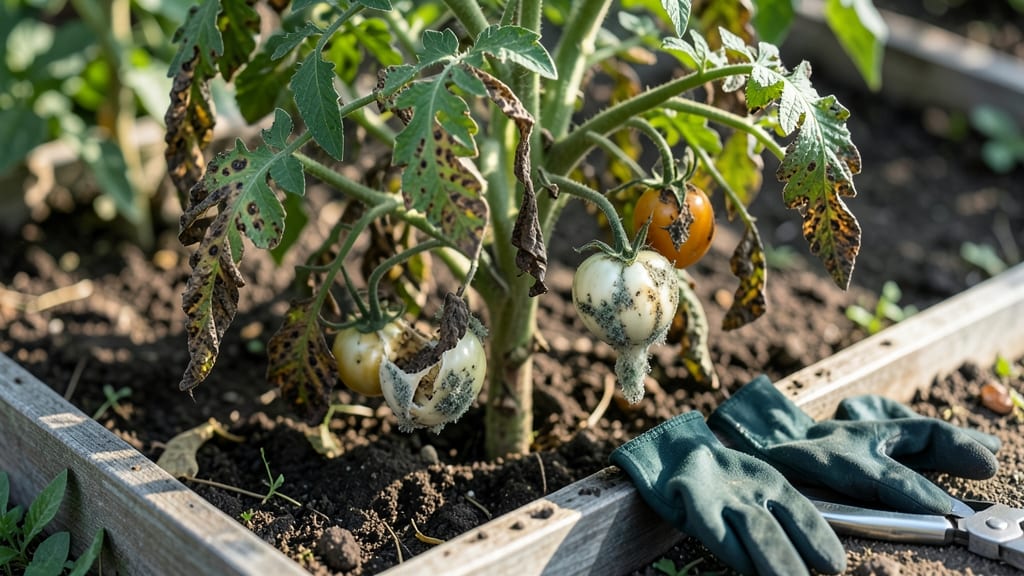
My tomato plants rotting at the base? That’s happened to me three times—until I learned the revival tricks that turn mushy stems into sturdy growth again. 🌱 The first step is identifying whether it’s fungal (like early blight), bacterial, or just overwatering, because each needs a different fix.
I’ve saved plants that looked doomed by adjusting water, soil, and even pruning the wrong way.
Most rot starts with soggy soil or poor airflow between plants. I now water at the base in the morning, never overhead, and space my tomatoes 18-24 inches apart—that’s the difference between healthy stems and slimy collapse.
If you see dark spots or wilting leaves, act fast: prune infected areas with clean shears and add a 2-inch layer of mulch to keep roots dry. For stubborn cases, a mix of copper fungicide (organic) or chlorothalonil (chemical) works, but only after you’ve fixed the watering habits.
You’ll know it’s working when new green shoots appear at the top of the plant—sometimes within a week if you catch it early. The key is consistency: keep the soil moist but not soaked, remove any remaining infected leaves, and give your tomatoes room to breathe.
Even if you lose a few plants, this method saves the rest of your harvest. Trust me, I’ve gone from zero tomatoes to bushels using these same steps.
For prevention next season, rotate crops, test your soil pH (tomatoes like 6.0-6.8), and avoid planting where nightshades grew last year. If your plants are already rotting, don’t give up—salvage what you can and learn from the mistake.
The difference between a failed garden and a thriving one is often just how quickly you act.
Root Causes of Plant Decay
When your tomato plants start looking sad—leaves yellowing, stems wilting, or fruit turning mushy—it’s often a sign of underlying stress or disease. Understanding the why behind rotting tomato plants is the first step to saving them.
Below, we break down the most common culprits, from environmental factors to biological threats, with clear explanations of how they damage your plants.
Tomatoes need consistent moisture, but too much water is a fast track to rot. When soil stays soggy for days, roots suffocate from a lack of oxygen, leading to:
- Root rot: Fungal pathogens like Phytophthora and Pythium thrive in waterlogged soil, attacking roots and cutting off nutrient uptake. Look for black, mushy roots or a foul smell.
- Blossom-end rot: While often linked to calcium deficiency, overwatering can also disrupt nutrient absorption, causing the fruit’s bottom to turn brown and leathery.
- Stem collapse: Excess moisture weakens cell walls, making stems prone to snapping or developing soft, watery patches.
Why it happens: Most garden soils don’t drain fast enough, especially clay-heavy or compacted dirt. Even well-draining soil can become waterlogged after heavy rain or overzealous watering.
Actionable fix: Test your soil’s drainage by digging a hole, filling it with water, and timing how long it takes to drain. If it’s slower than 4 hours, amend with compost or sand. Water deeply but infrequently, aiming for 1–1.5 inches per week (adjust for rain).
Fungi are the silent saboteurs of tomato gardens, thriving in humid, damp conditions. The most destructive offenders include:
| Fungus | Symptoms | How It Spreads |
|---|---|---|
| Early Blight (Alternaria solani) | Brown, concentric "target" spots on leaves; stems may develop dark lesions. | Spores spread via water splashes, tools, or contaminated soil. |
| Late Blight (Phytophthora infestans) | Rapid leaf collapse (dark, greasy spots); fruit rots quickly. | Cool, wet weather + wind or water dispersal. |
| Fusarium Wilt (Fusarium oxysporum) | Wilting (even with wet soil), yellowing leaves, vascular discoloration. | Survives in soil for years; enters through roots. |
Why it happens: Fungi spores are everywhere, but they activate when conditions are ideal: temperatures between 60–80°F, high humidity, and poor airflow. Overhead watering or dense plantings create the perfect petri dish.
Actionable fix:
- 💡 Prevent spread: Remove infected leaves immediately (don’t compost them!). Space plants 18–24 inches apart for airflow.
- 🌡️ Adjust moisture: Water at the base in the morning to let foliage dry quickly. Use drip irrigation to avoid wetting leaves.
- ✨ Fungicides: Copper-based sprays or neem oil can suppress early signs. For late blight, organic options like Serenade (with Bacillus subtilis) may help.
While pests like aphids or hornworms might seem like minor annoyances, their feeding can open doors for rot-causing pathogens. Here’s how:
- Sap-sucking insects (aphids, whiteflies): Their saliva contains sugars that promote fungal growth, like Botrytis (gray mold). Infested plants wilt faster and are more susceptible to stress.
- Chewy pests (tomato hornworms, cutworms): They sever stems or strip leaves, reducing the plant’s ability to photosynthesize. Weakened plants can’t fight off infections.
- Nematodes: Microscopic worms in the soil attack roots, creating entry points for rot. Infested roots turn gnarled and brown.
Why it happens: Pests thrive in crowded, nutrient-rich gardens. Stress from drought or poor soil also makes plants more attractive targets. Once pests compromise the plant’s defenses, fungi or bacteria move in to finish the job.
Actionable fix:
- 🔥 Handpick pests: Check leaves daily for hornworms or eggs. Drop them into soapy water.
- 👨🍳 Natural repellents: Spray with neem oil or introduce beneficial insects like ladybugs or parasitic wasps.
- 🌱 Soil health: Solarize soil in fall (cover with clear plastic for 4–6 weeks) to kill nematodes. Plant marigolds or nasturtiums as trap crops.
Tomatoes are tropical plants at heart—they hate being pushed beyond their comfort zone. Both heat and cold can trigger rot indirectly by:
- Heat stress (above 90°F): Leaves scorch, reducing photosynthesis. The plant diverts energy to survival, neglecting fruit development. Overripe fruit on the vine becomes a magnet for Botrytis (gray mold).
- Cold stress (below 50°F): Chilling injury disrupts cell membranes, making stems and fruit more susceptible to rot. Early blight thrives in cool, wet conditions.
- Sudden temperature swings: Causes sunscald on fruit (white, leathery patches) or blossom drop, wasting energy and leaving the plant vulnerable.
Why it happens: Tomatoes originate from South America and prefer stable, warm conditions. When temperatures fluctuate or exceed their range, the plant’s metabolic processes break down, weakening its immune response.
Actionable fix:
- 🌿 Shade cloth: Use 30–50% shade fabric during heatwaves to protect leaves (not fruit).
- 🌡️ Mulch heavily: Straw or black plastic mulch keeps soil temps stable and conserves moisture.
- 🎯 Timing matters: Plant tomatoes after the last frost when soil temps are consistently above 60°F. In hot climates, choose heat-tolerant varieties like Solar Fire or Heatmaster.
A tomato plant’s diet is more nuanced than just water and sunlight. Deficiencies or excesses of key nutrients can directly contribute to rot:
| Nutrient | Deficiency Signs | How It Causes Rot
Revive Your Tomato Plants NowWhen your tomato plants start looking sad with drooping stems and dark spots, it’s time to roll up your sleeves and take action. The good news? Most issues—whether from disease, pests, or environmental stress—can be turned around with the right care. Below, we’ll break down practical fixes for common causes of rotting tomato plants, plus prevention tips to keep your garden thriving. Cause: Moisture-loving fungi thrive in damp conditions, causing brown spots, wilting, or soft rot at the plant’s base. How to Treat It:
💡 Prevention Tips: ✔ Water at the base (avoid overhead sprinkling). ✔ Mulch with straw (keeps soil dry and blocks spore splash). ✔ Rotate crops—don’t plant tomatoes in the same spot yearly. Cause: Chewing insects and slugs create holes, weaken stems, and invite rot by damaging plant tissue. How to Treat It:
💡 Prevention Tips: ✔ Install row covers early in the season to block pests. ✔ Plant basil or marigolds nearby—they repel insects naturally. ✔ Remove garden debris where pests hide. Cause: Soggy soil suffocates roots, leading to root rot (black, mushy stems) or blossom end rot (leathery, dark bottoms on tomatoes). How to Treat It:
💡 Prevention Tips: ✔ Use drip irrigation instead of hose watering. ✔ Test your soil’s pH (aim for 6.0–6.8—too acidic causes rot). ✔ Avoid compacting soil (walk around plants, don’t step on beds). Cause: Too much sun or sudden heat waves cause wilting, scorch marks, or stem collapse. How to Treat It:
💡 Prevention Tips: ✔ Choose heat-tolerant varieties like ‘Solar Fire’ or ‘Heatmaster’. ✔ Plant in late spring (after last frost) to avoid early heat shocks. ✔ Use reflective mulch (like white plastic) to deflect sunlight. If your tomato plant is already toppled but roots are firm: 1. 🔥 Prop It Up – Use a tomato cage or bamboo stakes to support the stem.
✨ Pro Tip: If the entire plant is mushy, it’s likely too far gone—pull and compost it (don’t reuse soil in the same spot). Final Thought: Most tomato plant woes are fixable with quick action. The key? Catch problems early, adjust care routines, and keep your garden healthy with smart prevention. Now grab your pruners and get reviving! 🍅✨ Frequently asked questions about rotting tomato plants
1
Why do my tomato stems turn soft and mushy overnight?This is usually a sign of bacterial soft rot or fungal infection like late blight. Overwatering or poor drainage creates the perfect conditions for these pathogens to thrive. Check for dark, watery spots on stems and leaves—if you see them, act fast by pruning infected areas and improving airflow around your plants.
2
Can I save a tomato plant with rotting roots?Sometimes! If only the outer roots are affected, you can gently dig up the plant, trim away the black, mushy roots with clean shears, and replant in fresh, well-draining soil. For severe cases, the plant may be too far gone—look for firm, white roots deeper in the soil. If you see mostly rot, it's best to remove the plant to prevent spreading disease.
3
How often should I water tomatoes to prevent rot?Water deeply 2-3 times per week (adjust based on rain) rather than daily shallow watering. The key is keeping soil consistently moist but never soggy. Water at the base in the morning to allow foliage to dry quickly—this prevents fungal spores from thriving. Use a moisture meter or stick your finger 1 inch deep to check soil moisture.
4
What's the difference between early blight and late blight on tomato plants?Early blight shows as brown, concentric rings on older leaves and stems, while late blight causes dark, greasy spots that spread rapidly in cool, wet weather. Late blight can destroy plants in days, so remove infected plants immediately and space your tomatoes 18-24 inches apart for better airflow. Both diseases thrive in damp conditions, so avoid overhead watering.
5
Will compost tea help prevent tomato plant rot?Compost tea can help boost beneficial microbes in the soil, which may improve plant health and resistance to some diseases. However, it won't replace proper watering practices or fungicide treatments for active infections. For best results, use compost tea as a preventative measure alongside good drainage and proper spacing between plants. |
|---|