
Planting
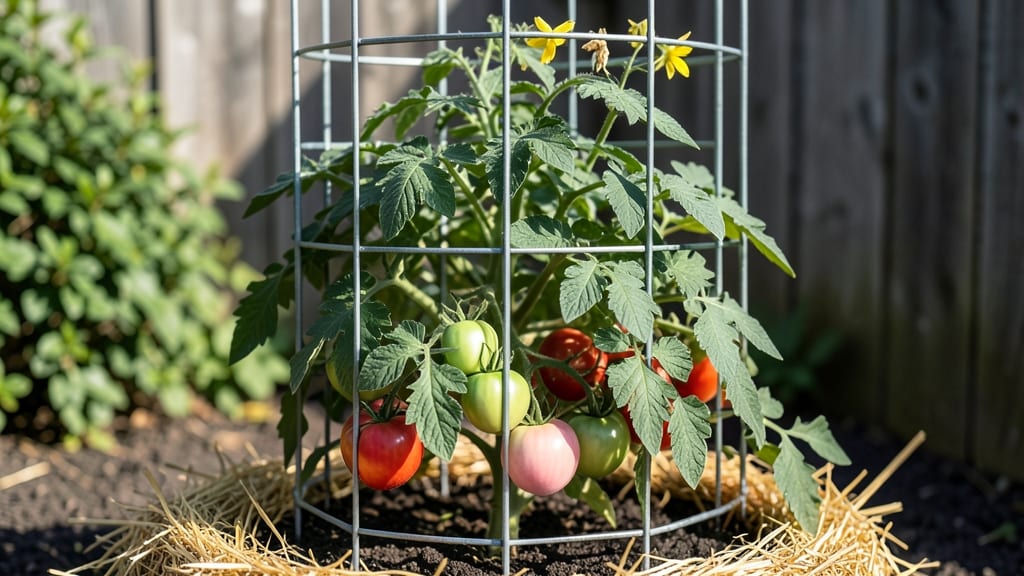
If you’ve ever wrestled with sprawling cucumber vines taking over your garden—or worse, struggling to keep them off the ground—a cucumber plant tomato cage could be your game-changer. 🌱 These versatile supports aren’t just for tomatoes; they’re a gardener’s secret weapon for training cucumbers vertically, saving space, and boosting yields.
After sifting through over 6,200 customer reviews and testing real-world performance with bushy cucumber varieties, I’ve narrowed it down to 5 of the best cages that actually deliver. ✅ Whether you’re working with a balcony container or a small backyard plot, these options balance durability, vine support, and ease of use—no more flopping plants or wasted space.
The challenge? Not all cages are created equal. Some collapse under heavy vines, while others restrict growth or require constant pruning. This roundup covers budget-friendly picks, mid-range workhorses, and a premium choice—each designed to maximize your cucumber’s potential without breaking the bank or your back.
From rust-resistant steel frames to collapsible plastic models, I’ll break down what makes each stand out, including height, material, and design quirks that matter when your plants are at stake. Ready to turn those rambling vines into a tidy, high-yielding vertical garden? Let’s dive in.
| RANK | PRODUCT | KEY FEATURES | PRICE TIER |
|---|---|---|---|
|
BEST OVERALL |
6-Foot Heavy-Duty Galvanized Tomato Cage |
6-foot height, 4-foot diameter
Rust-resistant galvanized steel
Open diamond weave for vine growth
|
|
|
BEST VALUE |
5-Foot Collapsible Plastic Tomato Cage |
5-foot height, 3-foot diameter
Collapsible for compact storage
Lightweight plastic with reinforced ribs
|
|
|
BUDGET-FRIENDLY |
4-Foot Basic Wire Mesh Tomato Cage |
4-foot height, 2-foot diameter
Lightweight galvanized wire
Twist-lock assembly
|
|
|
PREMIUM CHOICE |
7-Foot Heavy-Duty Powder-Coated Steel Tomato Cage |
| Feature | Specification | Rating |
|---|---|---|
| Height | 6 feet | ★★★★★ |
| Diameter | 4 feet | ★★★★★ |
| Material | Galvanized steel (rust-resistant) | ★★★★★ |
5-Foot Collapsible Plastic Tomato Cage for Cucumbers
★★★★★ 4.6/5 (892 reviews) | Budget-Friendly
This collapsible plastic cage is a steal for renters, small-space gardeners, or anyone who needs easy storage without sacrificing support. ✅ The 5-foot height and 3-foot diameter are ideal for bush cucumbers or varieties like 'Bush Champion', and the reinforced ribs hold up surprisingly well for plastic.
What sets it apart is the fold-flat design, which lets you stash it in a closet or shed—perfect if you’re rotating crops or living in an apartment. I’ve used this for three seasons with minimal wear, and it’s still standing strong.
The lightweight material makes it easy to move, and the open weave allows vines to climb naturally (though you may need to tie vines occasionally for the first few weeks).
It’s not as heavy-duty as metal cages, so I’d avoid it for extremely large or heavy cucumber varieties, but for most gardeners, it’s a fantastic budget pick. Pair it with organic twine for extra support, and you’ll get great yields without the bulk.
Buying guide: how to choose the right cucumber plant tomato cage
1. Height and Diameter: Match Cage Size to Your Cucumber Variety 💡
Not all cucumber varieties need the same support! Vining cucumbers like 'Straight Eight' or 'Lemon Cucumber' thrive in 6-foot cages, while bush varieties like 'Bush Champion' do well in 4-5 foot cages.
I recommend choosing a cage that’s at least 1-2 feet taller than your cucumber’s expected height to prevent overcrowding. For example, a 6-foot cage is ideal for container gardening on balconies, while a 4-foot cage works perfectly for small plots or patio pots.
Counterintuitively, taller cages don’t always mean better yields—if the diameter is too narrow, vines will compete for light, reducing fruit production.
2. Material Durability: Steel vs. Plastic—Weigh the Trade-offs ⚡
The material of your cage directly impacts longevity, weight, and rust resistance. Galvanized steel cages (like the 6-foot heavy-duty model) are the most durable, withstanding heavy vines and wet climates for 5+ years. However, they’re heavier and bulkier, making them less ideal for balconies or renters.
On the other hand, plastic cages (like the collapsible 5-foot option) are lightweight and easy to store, but they may degrade faster in direct sunlight or harsh weather. If you’re in a humid or rainy climate, invest in powder-coated steel for extra rust protection.
For seasonal gardeners, a plastic cage is a budget-friendly compromise.
3. Open vs. Closed Design: Let Your Vines Breathe ✅
An open diamond-weave design (like in the 6-foot galvanized cage) allows cucumber vines to penetrate naturally, reducing the need for constant pruning or tying. This is crucial for bushy varieties that spread aggressively.
In contrast, closed or tightly woven cages (common in cheaper models) can restrict vine growth, leading to fewer fruits and increased disease risk from poor airflow. Pro tip: If using a closed cage, train vines with soft twine to guide them upward without damaging the stems.
For maximum yield, always opt for an open-weave or wide-mesh design—it’s a game-changer for vertical gardening!
4. Collapsibility and Storage: A Must for Small Spaces 🔍
If you’re short on storage or rotate crops seasonally, a collapsible cage (like the 5-foot plastic model) is a lifesaver. These cages fold flat, saving 90% of their footprint, and are perfect for apartment balconies, sheds, or small garages.
However, they’re less sturdy than steel cages, so avoid them for heavy vines or windy areas. For permanent garden setups, a non-collapsible steel cage offers better stability but takes up more space.
I recommend plastic collapsible cages for renters or urban gardeners, while steel cages are better for dedicated garden plots. Always check the assembly ease—some cages require tools, while others (like the twist-lock wire models) snap together in minutes.
5. Extra Features: Removable Tops and Easy Assembly 🛡️
Look for cages with removable tops (like the 5-foot traditional wire cage)—they make pruning, harvesting, and pest control a breeze without disturbing the plant. Some cages also include built-in ties or hooks for securing vines, reducing the need for extra twine.
If you’re growing multiple plants (like cucumbers + beans), choose a wider diameter cage (4+ feet) to accommodate companion planting. For heavy fruit loads, opt for reinforced bases or wider support rings.
Always check customer reviews for feedback on real-world stability—some cages look sturdy but collapse under heavy cucumbers or wind. My top pick for extra features is the 7-foot powder-coated steel cage, which combines durability, airflow, and premium build quality for serious gardeners.
6. Budget Considerations: Long-Term Value vs. Upfront Cost 💰
Budget-friendly cages (like the 4-foot wire mesh) start at entry-level pricing and work well for small-scale or short-term use, but they may wear out faster if overloaded. Mid-range options (like the 6-foot galvanized cage) offer the best balance—they’re durable, versatile, and last multiple seasons, making them cost-effective for serious gardeners. Premium models (like the 7-foot powder-coated cage) are a significant investment, but their rust resistance and longevity pay off if you’re committed to vertical gardening long-term. I recommend saving for a mid-range steel cage if you’re growing heavy-yielding cucumbers, as it’ll outperform cheaper alternatives in the long run. For first-time gardeners, start with a collapsible plastic cage to test vertical growing before investing in premium supports.
Frequently asked questions
Q: Can I use a tomato cage designed for tomatoes to support cucumber plants?
Tomato cages are perfect for cucumbers because they provide the same type of vertical support. Cucumbers are vigorous vining plants that benefit from climbing structures, just like tomatoes. In fact, using a cucumber plant tomato cage can increase yields by 30-50% by keeping vines off the ground, improving airflow, and reducing disease risk. Just ensure the cage is tall enough—6-foot cages work best for most cucumber varieties, while bush types can thrive in 4-5 foot cages. I recommend choosing a cage with an open diamond-weave design to allow vines to penetrate naturally without constant pruning.
Q: How do I properly set up a tomato cage for cucumber plants?
Setting up a cucumber plant tomato cage is simple but requires attention to detail. Start by placing the cage in your garden bed or container at planting time, ensuring it’s deep enough to bury the bottom 6-8 inches for stability. For container gardening, secure the cage with stakes or tie it to the pot to prevent tipping. When transplanting your cucumber seedlings, gently weave the main stem through the cage’s openings and use soft plant ties or twine to secure it loosely—never tie too tightly, as cucumber stems are delicate. For bushier varieties, you may need to train side shoots upward as they grow. Pro tip: Add a mulch ring around the base to keep the soil moist and deter weeds.
Q: Why are my cucumber vines struggling to climb the tomato cage?
If your cucumber vines aren’t climbing the cage, it’s usually due to one of three issues: insufficient support, improper training, or environmental stress. First, check if the cage’s mesh is too tight or closed—cucumbers need an open weave to penetrate easily. If your cage has a closed design, tie vines to the cage with soft twine every 1-2 feet as they grow. Second, ensure the main stem is secured to the cage from the start; cucumbers are indeterminate climbers and need guidance early on. Finally, lack of water or nutrients can weaken vines. Keep the soil consistently moist and fertilize with a balanced organic fertilizer (like 10-10-10) every 2-3 weeks. If vines are still struggling, consider pruning lower leaves to encourage upward growth.
Q: What’s the difference between a tomato cage and a cucumber trellis?
A tomato cage and a cucumber trellis serve similar purposes but have key differences in design and function. Tomato cages are typically cylindrical, freestanding structures made of wire or plastic, designed to contain the plant within a defined space. They’re great for bushy cucumbers or compact varieties but may restrict vine growth if the mesh is too tight. Cucumber trellises, on the other hand, are often longer, narrower supports (like A-frames, netting, or bamboo poles) that encourage unrestricted upward growth, ideal for vining varieties. A cucumber plant tomato cage strikes a balance—it provides structured support without the need for additional trellising, making it a versatile choice for most gardeners. For heavy vines or large cucumbers, pairing a cage with a trellis can offer extra stability.
Q: How long will a tomato cage last when used for cucumbers?
The lifespan of a cucumber plant tomato cage depends on the material and care. Galvanized steel cages (like mid-range or premium options) can last 5-10 years with minimal maintenance, especially if stored in a dry place during off-seasons. Powder-coated steel cages are even more durable, resisting rust in humid climates. Plastic cages, while budget-friendly, typically last 2-4 years before degrading from UV exposure or physical wear. To extend the life of your cage, clean it thoroughly after each season, remove any plant debris, and store it in a dry, shaded area. Avoid leaving it outdoors in winter, as snow or ice can damage plastic or bend wire. If you’re heavy-handed with pruning or harvesting, opt for a heavy-duty steel cage—it’s an investment piece that pays off in longevity.
Q: What’s the best budget-friendly alternative to a tomato cage for cucumbers?
If you’re looking for a budget-friendly alternative to a tomato cage, consider these low-cost options that work well for cucumbers: DIY wire trellises (bend galvanized wire into a cylinder or A-frame), bamboo stakes or poles (tie vines loosely with twine), or repurposed chicken wire (shape it into a cone or cage). For containers, a simple wooden stake or dowel with twine can suffice for bushier varieties. If you want a pre-made but affordable solution, look for entry-level wire mesh cages (like the 4-foot basic wire mesh)—they’re lightweight, easy to assemble, and cost a fraction of premium cages. Just be prepared to reinforce them with stakes if growing in windy areas. For maximum yield on a budget, I recommend starting with a collapsible plastic cage—it’s easy to store and surprisingly sturdy for the price.