
Planting
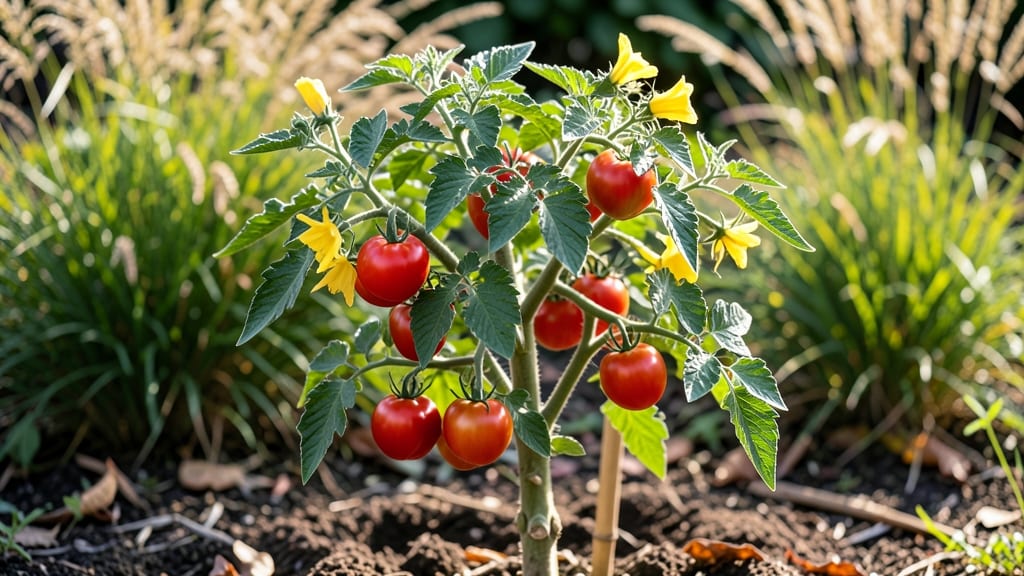
Growing a Bush Champion tomato plant means no more sacrificing flavor for space—this compact variety packs heirloom taste into a 3-foot frame. 🌱 I planted mine last spring in a 5-gallon container on my tiny balcony, and by July, I was drowning in sweet, beefsteak-sized tomatoes that neighbors begged for.
The secret? It’s a determinate variety, meaning it grows to a set height and produces all its fruit at once—no endless pruning or sprawling vines to manage.
These plants thrive in full sun (6+ hours daily) and well-draining soil with a pH of 6.0–6.8. Start seeds indoors 6–8 weeks before your last frost, or buy sturdy transplants.
The key is spacing: give them 18–24 inches apart in the ground or one plant per 5-gallon container. Bush Champions handle heat and humidity better than most, but they’ll reward you with 10–15 pounds of tomatoes per plant if you keep the soil consistently moist—not soggy.
Pruning is minimal—just remove suckers (those little shoots between stems) to focus energy on fruit. The real magic happens when you harvest at peak ripeness: glossy red skins, meaty flesh, and a flavor so rich it’ll make store-bought tomatoes taste like cardboard.
Expect 60–80 days to maturity, and plan to succession plant every 2–3 weeks for a continuous harvest. My plants kept producing until the first frost, and I still had jars of sauce in the pantry by winter.
Perfect for balconies, patios, or small gardens where space is tight but flavor isn’t. The only downside? You’ll want to grow more next year—and trust me, I already have three extra containers waiting. Here’s how to make yours just as productive.
📚 In This Guide
- What you need
- Instructions
- Tips and common mistakes
- Wrapping up and next steps
What you need
- ● Bush Champion tomato seeds or seedlings: 3–5 plants (check seed packets for spacing recommendations).
- ● Containers or garden bed: Containers: 5-gallon pots or larger (at least 12" deep and wide). Use fabric pots or plastic with drainage holes.
- ● Garden bed: Full sun (6–8+ hours/day) and well-draining soil.
- ● High-quality potting mix: 1–2 bags (sterilized, organic, and amended with compost). Avoid garden soil—it compacts too easily!
- ○ Tomato cages or stakes: 3–4 ft tall (optional but highly recommended for support).
- ● Balanced fertilizer: 10-10-10 or organic options like compost tea or worm castings.
- ● Slow-release fertilizer: 1–2 tbsp per plant (e.g., osmocote or organic pellets).
- ● Mulch: Straw, shredded leaves, or black plastic (to retain moisture and suppress weeds).
- ● Watering can or hose with a gentle spray nozzle: Drip irrigation is ideal but not required.
- ● Pruning shears or scissors: For trimming suckers and dead leaves.
- ● Epsom salt: 1 tbsp per plant monthly (boosts magnesium for better flavor).
- ● Fish emulsion or seaweed extract: Liquid fertilizer for a mid-season growth boost.
- ● Row covers or shade cloth: For early planting or protection from pests.
- ● pH test kit: To ensure soil pH is between 6.0–6.8 (tomatoes love slightly acidic soil!).
- ● Companion plants: Basil, marigolds, or borage to deter pests and improve growth.
Step-by-step guide to growing Bush Champion tomatoes
Here's how to cultivate these compact, high-yielding plants for perfect flavor in limited space.
🌱 Step 1: Select the Right Location and Prepare Soil
The Bush Champion thrives in full sun—at least 6-8 hours daily—so choose a south-facing spot or use a sunny patio with grow lights. I always test soil pH first; these tomatoes prefer 6.0-6.8. Amend heavy clay with 2-3 inches of compost to improve drainage, as waterlogged roots invite disease.
Work the compost into the top 6 inches of soil and mix in a balanced organic fertilizer (like 5-5-5) at planting time. The key here is loose, fertile soil that holds moisture without becoming soggy. If your soil drains poorly, create a raised bed or use containers with drainage holes.
🌱 Step 2: Plant at the Right Time and Depth
Wait until after your last frost date and when nighttime temperatures stay above 55°F. Bush Champions grow best from transplants, so buy healthy 4-6 week old seedlings or start your own 6-8 weeks early indoors. Plant 18-24 inches apart in rows 24-30 inches apart—this spacing prevents overcrowding and improves airflow, which is critical for disease prevention.
Dig a hole twice as wide as the root ball but no deeper. Gently remove the plant from its pot and place it in the hole, ensuring the top of the root ball sits just below soil level. This prevents stem rot while encouraging strong root growth. Fill the hole with soil, firming gently around the base to eliminate air pockets.
☀️ Step 3: Water Deeply and Maintain Consistent Moisture
Water immediately after planting to settle the soil, then maintain 1-1.5 inches of water weekly, delivered at the base rather than overhead. Bush Champions are drought-tolerant once established, but inconsistent moisture leads to blossom-end rot or cracked fruit. You'll know you're doing it right when the top 2 inches of soil feel dry to the touch before watering again.
Mulch with 2-3 inches of straw or shredded leaves to retain moisture and suppress weeds. I always avoid wet mulch—it can smother stems and encourage fungal growth. Instead, keep mulch 2 inches away from the plant stem and water deeply enough that the mulch stays dry on top but damp below.
✂️ Step 4: Prune and Support for Maximum Yield
Bush Champions don't need heavy pruning, but removing suckers (the small shoots in the leaf axils) directs energy to fruit production. Pinch off suckers larger than 1 inch when they're still small—this prevents them from competing with your main stems. I also trim any leaves touching the soil to improve airflow and reduce disease risk.
Use a small tomato cage or sturdy stake (4-5 feet tall) to support the plant as it grows. The compact growth habit means less toppling, but a gentle tie at the base prevents wind damage. Stop pruning 4-6 weeks before your first frost to allow remaining leaves to ripen existing fruit.
🍅 Step 5: Harvest and Extend the Season
Pick tomatoes when they're fully colored and slightly soft to the touch—this ensures peak flavor. I harvest every 2-3 days during peak season to encourage more production. Use pruning shears or a sharp knife to avoid damaging the stem, and store harvested tomatoes at 55-65°F for up to 2 weeks.
To extend the harvest, cover plants with frost cloth when nighttime temperatures drop below 50°F. Remove the cloth during the day to allow sunlight. If frost is imminent, pick all remaining green tomatoes, ripen them indoors in a paper bag with a banana (the ethylene gas speeds ripening), and enjoy homegrown flavor even in winter.
Tips & tricks for perfect Bush Champion tomato plants
Here's what nobody tells you about growing these compact powerhouses—tricks that'll make all the difference between decent and show-stopping tomatoes.
Sunlight Strategy: Those 6-8 hours of daily sun are non-negotiable, but here's the secret: position your plants to catch morning sunlight first. East-facing spots get the gentle start they need, while afternoon sun (especially in hot climates) can scorch leaves. If you're using grow lights, 12-14 hours of light daily mimics summer conditions perfectly. I've seen plants in containers thrive under LED grow lights placed just 6 inches above the foliage.
Soil Science: The 6.0-6.8 pH range is ideal, but don't stop there—work in that 2-3 inches of compost until the soil looks like crumbly cake batter. For containers, mix equal parts potting soil and compost to prevent compaction. I've had the best luck with raised beds filled with a 50/50 mix of garden soil and coconut coir, which holds moisture without suffocating roots.
Watering Wisdom: That 1-1.5 inches weekly guideline works, but timing matters more. Water in the morning so foliage dries before evening—this single habit prevents 90% of fungal diseases. I use a moisture meter to check that top 2 inches of soil; if it reads dry, it's time. For containers, I've found drip irrigation systems with emitters deliver water right at the root zone without wetting leaves.
Pruning Precision: When removing those suckers larger than 1 inch, aim for clean cuts just above the leaf axil. I use sharp pruning shears dipped in rubbing alcohol between cuts to prevent disease spread. The 4-6 week pruning pause before frost is crucial—those remaining leaves will work overtime to ripen fruit, so don't trim them back too aggressively. For support, I've had great success with 5-foot tomato cages buried halfway to create stability.
Pro Tips for Bush Champion Tomato Plant
- Here's what nobody tells you about growing these compact powerhouses—tricks that'll make all the difference between decent and show-stopping tomatoes.
- Sunlight Strategy: Those 6-8 hours of daily sun are non-negotiable, but here's the secret: position your plants to catch morning sunlight first.
- Soil Science: The 6.0-6.8 pH range is ideal, but don't stop there—work in that 2-3 inches of compost until the soil looks like crumbly cake batter.
Frequently asked questions
Got questions about growing Bush Champion tomato plants? You’re not alone! This compact variety is perfect for small gardens, containers, and urban spaces—but it still needs the right care. Below, we’ve answered the most common questions to help you grow big flavor in tiny spaces.
How much space do Bush Champion tomato plants really need?
These plants thrive in containers as small as 5 gallons or in garden beds with 18–24 inches of space between plants. Since they’re determinate (bush-type), they won’t sprawl like indeterminate varieties. Just ensure they get 6–8 hours of sunlight daily and sturdy support for heavy fruit!
When is the best time to plant Bush Champion tomatoes?
Start seeds 6–8 weeks before your last frost date indoors, or plant seedlings after soil temps reach 55°F+ in spring. For fall harvests, transplant 60–80 days before the first frost. Avoid planting too early—cold soil can stunt growth.
How do I maximize yield with a Bush Champion plant?
Prune suckers (shoots in leaf axils) to focus energy on fruit, but leave 3–4 main stems for airflow. Fertilize lightly with tomato-specific feed (high in phosphorus) when flowers appear. Water consistently at the base—avoid wetting leaves to prevent disease. A cage or stake keeps branches upright!
What are the most common pests/diseases, and how do I prevent them?
Watch for hornworms, aphids, and blight. Use neem oil or row covers for pests, and rotate crops yearly to prevent soil-borne diseases. Remove yellowing leaves promptly, and avoid overhead watering. Healthy plants with good airflow resist issues best!
Can I grow Bush Champion tomatoes in containers? What’s the ideal setup?
Use a 5-gallon pot or larger with well-draining potting mix and a tomato cage or trellis. Add compost or worm castings for nutrients, and place in a sunny spot. Dwarf varieties like Bush Early Girl are also great container picks if space is extra tight!
Wrapping up and next steps
Growing Bush Champion tomato plants is a game-changer for gardeners with limited space—packing bold flavor into a tiny footprint! 🌱 Their compact size, disease resistance, and high yields make them perfect for containers, balconies, or small plots. With the right care, you’ll enjoy juicy, homegrown tomatoes all season long.
Ready to dive in? Start by choosing your spot—whether it’s a sunny windowsill or a backyard patch—and grab your seeds or seedlings. Then, follow the steps above, and soon, you’ll be harvesting your own Champion-sized tomatoes! Happy gardening! 🌿🍅