
Vegetables
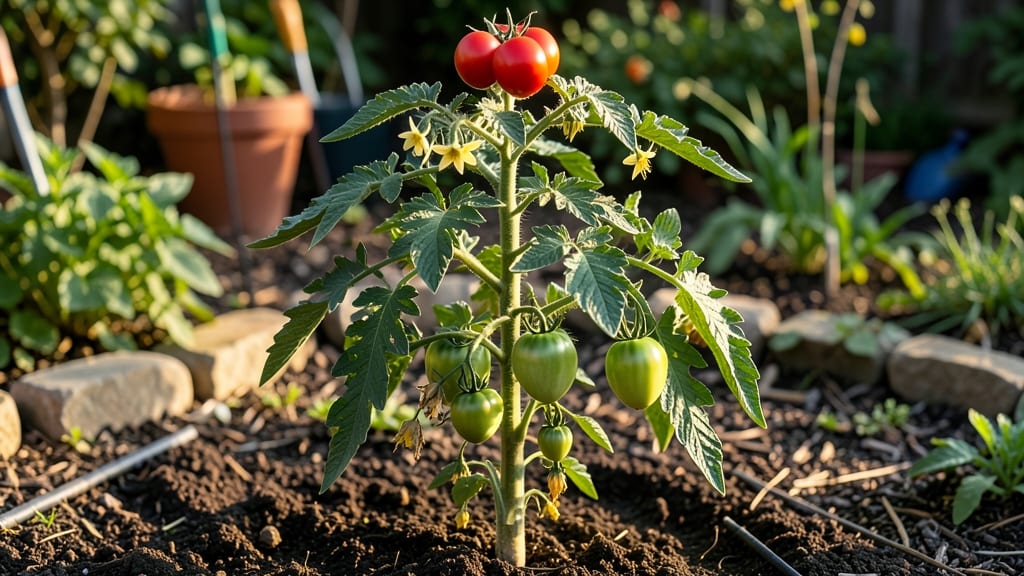
Understanding Roma tomato growth stages transforms your harvest from hopeful to guaranteed. 🌱 From the first green shoot to vine-bending fruit, each phase demands different care—and I’ve learned the exact timing and tricks to keep plants thriving through all of them.
The journey starts with seeds sprouting in 7-14 days, then moves to sturdy seedlings ready for transplanting at 4-6 weeks. Here’s where most gardeners trip up: too much water, not enough sun, or pruning at the wrong time.
I’ll show you how to avoid those mistakes and keep your plants growing strong through flowering and fruit set.
By 60-70 days after transplanting, you’ll see those first plump, glossy Roma tomatoes forming. The key now is consistent watering, strategic pruning, and watching for pests—because one missed step can turn a productive vine into a sad, leafy disappointment.
Whether you’re growing in containers or garden beds, these stages apply the same way. The payoff? A heavy harvest of sweet, meaty tomatoes that’ll have your neighbors begging for cuttings. Let’s break it down step by step so you never miss a milestone again.
📚 In This Guide
- What you need
- Instructions
- Tips and common mistakes
- Wrapping up and next steps
What you need
- ● Roma tomato seeds – Choose heirloom or hybrid varieties (e.g., 'Roma,' 'Plum,' or 'San Marzano'). Start with 5-10 seeds for a small harvest or 20+ seeds for a larger yield.
- ● Seed-starting soil mix – A sterile, well-draining potting mix (e.g., 50% peat moss, 30% perlite, 20% vermiculite). Avoid garden soil to prevent disease.
- ● Seed trays or biodegradable pots – 2-4 inch deep with drainage holes. Use 1-2 trays for 5-10 seeds.
- ● Grow lights or sunny windowsill – 12-16 hours of light daily for seedlings (a LED grow light works best).
- ● Watering can with a fine rose – For gentle, even watering (avoid over-saturating soil).
- ● Fertilizer (balanced or tomato-specific) – Use a 5-10-10 or 10-10-10 NPK fertilizer (e.g., 1 tsp per gallon of water when seedlings are 2-3 inches tall).
- ● Transplanting pots or garden space – 5-gallon containers (for indoor/container growing) or full sun garden bed (6+ hours of sunlight daily).
- ● Stakes or cages – 6-foot tall bamboo stakes or tomato cages (1 per plant to support vines).
- ● Mulch (straw or shredded leaves) – 2-3 inches thick to retain moisture and suppress weeds.
- ● pH testing kit – Ideal soil pH for tomatoes: 6.0-6.8 (adjust with lime or sulfur if needed).
- ● Heat mat – Keeps soil 70-80°F for faster germination (especially in cool climates).
- ● Pruning shears – For removing suckers and dead leaves (sterilize with rubbing alcohol).
- ● Drip irrigation system – Automates watering and reduces disease risk (water at soil level, not leaves).
- ● Row covers or shade cloth – Protects seedlings from pests or excessive heat (use 30-50% shade in hot climates).
- ● Compost or worm castings – Boosts soil fertility (mix 1-2 cups per plant at transplanting).
Instructions: tracking Roma tomato growth stages
Watch your plants transform through these distinct phases—each brings its own rewards.
🌱 Step 1: Germination and Seedling Emergence
After sowing, keep soil consistently moist at 75-85°F until you see sprouts in 7-14 days. The first leaves to appear are called cotyledons—these tiny, rounded leaves store energy for the young plant. Roma tomatoes are particularly sensitive at this stage, so avoid disturbing the soil once planted.
Once seedlings emerge, remove the humidity dome immediately to prevent fungal diseases. You'll notice the seedlings lean toward light—this is normal. Position them under grow lights 2-3 inches away for 14-16 hours daily. Weak, leggy seedlings signal insufficient light or uneven watering.
🌿 Step 2: Vegetative Growth and True Leaf Formation
After 4-6 weeks, when the seedlings develop their first true leaves (the serrated, tomato-shaped leaves), they're ready for transplanting. Roma tomatoes thrive in full sun (6-8 hours daily) and well-draining soil with a pH of 6.0-6.8. Harden off seedlings by gradually exposing them to outdoor conditions over 7-10 days.
Transplant carefully, burying the stem up to the first set of true leaves to encourage stronger root development. Roma tomatoes grow determinate, meaning they produce fruit on a compact plant rather than vining indefinitely. You'll see rapid stem thickening and leaf expansion during this phase—this is when they build the energy reserves for flowering.
☀️ Step 3: Flowering and Fruit Set
When your plant reaches 18-24 inches tall and has 6-8 sets of leaves, it will begin flowering. Roma tomatoes produce clusters of small, yellow blossoms that develop into fruit over 3-5 days. To maximize yield, hand-pollinate flowers by gently shaking the plant or using a small brush to transfer pollen.
Watch for fruit set—tiny green tomatoes forming in the clusters. This stage requires consistent watering (1-1.5 inches per week) to prevent blossom-end rot. Roma tomatoes are heat-tolerant but may drop flowers if temperatures exceed 90°F for extended periods. Provide afternoon shade if needed.
🍅 Step 4: Fruit Development and Maturity
Roma tomatoes transition from green to red over 45-55 days after flowering, depending on variety and growing conditions. The fruit will firm up and develop a glossy, deep red skin. Harvest when the tomatoes are fully colored and slightly soft to the touch—this ensures peak flavor and prevents overripening on the vine.
Roma tomatoes are prolific producers, so expect clusters of 3-5 tomatoes per truss. Prune suckers (the shoots that grow in the leaf axils) regularly to redirect energy to fruit production. You'll notice the plant's growth slow as it focuses on ripening existing fruit—this is normal and signals it's time to harvest.
Tips & tricks for growing Roma tomatoes
These practical insights will help you nurture healthy, productive Roma tomato plants from seed to harvest.
Germination Precision: Maintain that 75-85°F soil temperature range consistently—even slight drops can delay sprouting by days. I use a seedling heat mat during cool nights to maintain optimal conditions. The 7-14 day window is when Roma tomatoes are most vulnerable to damping off, so avoid overhead watering once planted. A spray bottle with fine mist works best for keeping soil moist without disturbing seeds.
Lighting Strategy: Those 14-16 hours of grow light daily are non-negotiable for strong seedlings. Position lights 2-3 inches away from seedlings and adjust as they grow—too far creates leggy plants. I recommend LED grow lights for their energy efficiency and full spectrum output. Watch for seedlings stretching toward light; rotate the tray daily to ensure even growth.
Transplanting Technique: When burying stems up to the first true leaves during transplanting, you're actually encouraging stronger root development. Roma tomatoes respond well to this method because their stems can form additional roots along their length. Time your transplanting for early morning or evening to reduce stress on young plants, and water thoroughly immediately after transplanting to settle the soil.
Heat Management: The 90°F threshold is critical during flowering—temperatures above this can cause flower drop. I've found that providing afternoon shade with a lightweight shade cloth (30-50% coverage) during heatwaves preserves flower set. Roma tomatoes are more heat-tolerant than many varieties, but consistent high temperatures can still reduce yields. Morning watering helps maintain cooler soil temperatures during hot days.
Pro Tips for Roma Tomato Growth Stages
- These practical insights will help you nurture healthy, productive Roma tomato plants from seed to harvest.
- Germination Precision: Maintain that 75-85°F soil temperature range consistently—even slight drops can delay sprouting by days.
- Lighting Strategy: Those 14-16 hours of grow light daily are non-negotiable for strong seedlings.
Frequently asked questions
Got questions about growing Roma tomatoes from seed to harvest?
You’re not alone! Here are answers to the most common queries about their growth stages, care, and troubleshooting—so you can grow a bountiful crop with confidence.
How long does it take for Roma tomatoes to go from seed to harvest?
Roma tomatoes typically take 60–85 days from transplanting to harvest, depending on your climate and growing conditions. If you start from seed indoors, add 8–10 weeks before transplanting. Warm weather and consistent care can speed up the process—just be patient!
What are the key signs that my Roma tomato plant is ready to harvest?
Harvest when tomatoes are deep red, firm, and slightly soft to the touch (but not mushy). They should easily pull from the vine with a gentle twist. Avoid harvesting when they’re still green or overly ripe—they won’t taste as sweet!
Can I grow Roma tomatoes in containers, and what size pot do I need?
Roma tomatoes thrive in 5-gallon containers or larger (at least 12–18 inches deep). Ensure the pot has drainage holes and use a balanced fertilizer every 2–3 weeks. Dwarf or determinate varieties are ideal for containers.
What should I do if my Roma tomato plant has holes in the leaves or fruit?
Holes or chewed leaves/fruit usually mean hornworms or aphids are the culprits. Handpick pests in the morning or use neem oil for organic control. Keep your garden clean and attract beneficial insects like ladybugs to deter pests naturally.
Why are my Roma tomatoes cracking, and how can I prevent it?
Cracking happens due to inconsistent watering or rapid growth after drought. Water deeply 1–2 times per week (more in heat) and mulch to retain moisture. Avoid over-fertilizing with high nitrogen—balance is key!
Wrapping up and next steps
Growing Roma tomatoes from seed to harvest is a rewarding journey filled with vibrant growth and delicious results! By understanding each growth stage—from germination to fruiting—you’ll set your plants up for success.
Whether you’re a seasoned gardener or a beginner, patience and care will pay off with a bountiful harvest of sweet, flavorful tomatoes.
Now that you’re equipped with the knowledge, take the next step! Start your seeds indoors or plant directly in your garden, and watch your Roma tomatoes thrive. Happy growing—your taste buds will thank you! 🌱🍅