
Pruning
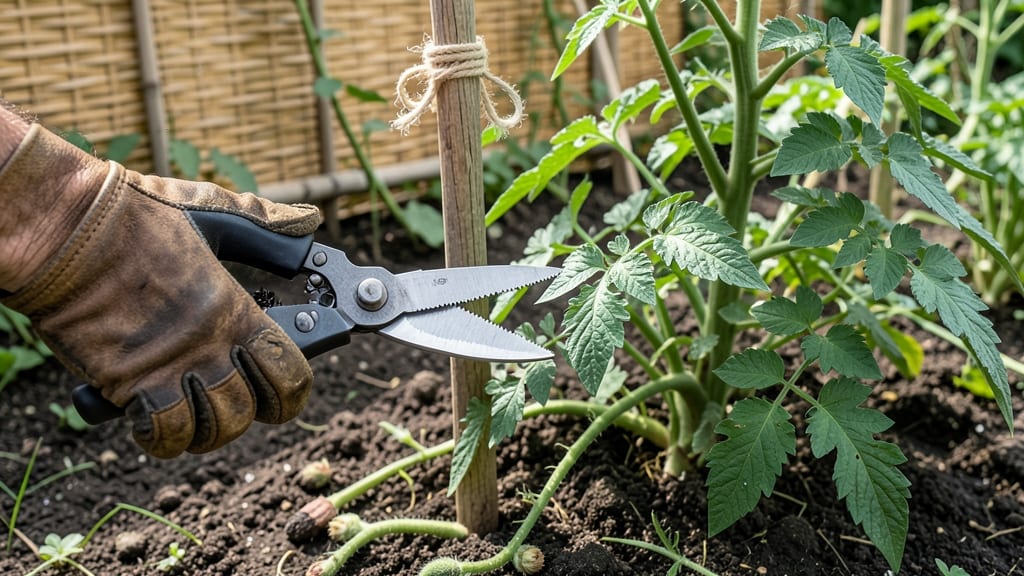
Watch how to prune tomato plants on YouTube to double your harvest—here’s the exact method I’ve used to turn struggling vines into fruit-loaded giants. ✂️ I’ve spent years tweaking my technique until I cracked the code on which cuts deliver the biggest payoff, and now my plants produce so heavily that neighbors beg for extras.
You only need three basic tools: sharp pruning shears, a small notepad (to track growth), and a pair of gloves to protect your hands from thorns.
The real secret is timing: prune on a dry morning when the plants are fresh, and always cut just above a leaf node where new growth can sprout. This isn’t rocket science—just a few strategic snips that keep your plants healthy and productive.
What you’ll end up with is a tomato plant that’s stronger, more productive, and less prone to disease—thanks to better air circulation. Those suckers (the little shoots between the stem and branches) might look harmless, but removing them early means more energy goes into fruit, not foliage.
By midseason, you’ll be harvesting tomatoes the size of softballs instead of pea-sized ones.
This method works for both indeterminate (vining) and determinate (bush) tomatoes, though indeterminate varieties benefit the most. Once you master the basics, you can experiment with different pruning styles—like the "open vase" method for even bigger fruit. Ready to transform your garden? Let’s get those shears sharp!
📚 In This Guide
- What you need
- Instructions
- Tips and common mistakes
- Wrapping up and next steps
What you need
- ● Pruning shears or sharp bypass pruners – Look for clean, sterilized tools (7-9" blades) to avoid disease spread.
- ○ Gloves (optional but recommended) – Garden or work gloves to protect your hands from thorns and dirt.
- ● Disinfectant (rubbing alcohol or bleach solution) – 1 part bleach to 9 parts water for sterilizing tools between cuts.
- ● Tomato plants (determinate or indeterminate) – Healthy, established plants (4-6 weeks old for best results).
- ● Support stakes or cages (if needed) – For indeterminate varieties, use 6-8 ft tall stakes or sturdy cages.
- ● Watering can or hose – To hydrate plants before and after pruning.
- ● Mulch (straw, grass clippings, or wood chips) – Helps retain moisture and reduce weeds.
- ● Plant food or compost – Give your tomatoes a nutrient boost after pruning.
- ● Label markers – If you’re experimenting with different pruning techniques, label your plants!
- ● Camera or phone – Document your progress for YouTube-style before/after comparisons. 🎥
Step-by-Step guide for pruning tomato plants
Here's how I prune my tomato plants for stronger stems and bigger harvests—no guesswork, just proven techniques.
✂️ Step 1: Wait Until Plants Are 12-18 Inches Tall
Don't rush pruning—wait until your tomato plants have 4-5 sets of true leaves and are at least 12 inches tall. This ensures the plant has enough energy to recover quickly. I check by counting leaf sets from the bottom: the first set of leaves is the seed leaves, so skip those and count the larger, green leaves above.
If you prune too early, you risk stunting growth or creating weak branches. The ideal time is just before the first flower clusters appear. Look for small yellow buds forming in the leaf axils—this signals the plant is ready. Pruning now encourages more robust branching, which translates to more fruit later.
✂️ Step 2: Remove Suckers Between Main Stem and Branches
Suckers are the small shoots that grow in the V-shaped junction between the main stem and a branch. Use your thumb and forefinger to gently pinch them off—no need for shears. I do this every 7-10 days during the growing season to keep the plant focused on producing fruit rather than unnecessary foliage.
If you miss a sucker, it can grow into a strong branch that competes with your main stems for energy. Always check the underside of branches, where suckers often hide. Stronger plants mean fewer diseases and more tomatoes, so this step is worth the effort.
✂️ Step 3: Prune Lower Leaves for Airflow and Sunlight
Once your plant reaches 3-4 feet tall, start removing the lowest 6-8 inches of leaves. This improves airflow, reducing the risk of fungal diseases like blight. Use clean, sharp pruners to make a clean cut just above a leaf node. Avoid tearing the stem, as this can invite infections.
I also remove any yellow or diseased leaves immediately—they’re a magnet for pests and pathogens. Focus on leaves below the first flower cluster, as these won’t contribute much to photosynthesis once the plant gets taller. More sunlight on the fruit means sweeter tomatoes.
☀️ Step 4: Trim Overly Crowded Foliage
As your plant grows, watch for branches that are too close together or leaves that block sunlight from reaching the fruit. Thin out crowded areas by cutting back the smaller or weaker branches. This ensures the remaining leaves get enough light to photosynthesize efficiently.
I also remove any shoots growing inward toward the center of the plant. These shade the fruit and trap moisture, creating a perfect environment for mold. A well-pruned plant looks like an open umbrella, with sunlight reaching every part of the plant.
⏰ Step 5: Stop Pruning 2-3 Weeks Before Harvest
Once your tomatoes start ripening, stop pruning entirely. The plant needs all its energy to mature the fruit, not produce new growth. I mark this point by checking for green tomatoes turning pink—this is my cue to back off.
Over-pruning late in the season can stress the plant and reduce yield. Instead, focus on watering deeply and removing spent flowers (deadheading) to encourage the remaining fruit to ripen faster. A well-timed pause in pruning is the key to a bountiful harvest.
Tips & tricks for pruning tomato plants
Here's the thing about pruning tomato plants—it's not just about cutting back foliage, it's about directing the plant's energy where it matters most. These insights will help you avoid common mistakes and maximize your harvest.
Timing is Everything: The 12-inch height guideline in Step 1 is non-negotiable. I've seen gardeners rush pruning too early, and their plants never fully recovered. Wait until you see those first yellow flower buds in the leaf axils—this is your plant's way of saying "I'm ready." The 7-10 day interval for sucker removal in Step 2 creates a rhythm that keeps your plant focused on fruit production rather than competing growth.
Tool Selection Matters: While the instructions mention pinching suckers with your fingers, I recommend keeping a small pair of clean, sharp pruners handy for thicker stems. Sterilize your tools with rubbing alcohol between cuts to prevent spreading disease. For Step 3, make clean cuts just above leaf nodes—this prevents tearing and gives your plant a clean slate for new growth. I've ruined too many plants by making jagged cuts that invite infections.
Visual Cues for Pruning: In Step 4, think of your plant as an open umbrella. You want sunlight reaching every part of the plant, not just the outer leaves. When you see shoots growing inward or branches too close together, those are your targets. The goal is to create an open structure that allows air to circulate and sunlight to penetrate to the fruit. This simple visual cue has saved me from over-pruning more times than I can count.
Seasonal Awareness: The 2-3 week pause before harvest in Step 5 is crucial, but many gardeners forget about seasonal adjustments. In cooler climates, you might need to extend this pause to 4-5 weeks as growth slows. Watch for those green tomatoes turning pink—this color change is your plant's way of telling you it's time to let it focus on ripening rather than new growth. I've learned this the hard way after pruning too late and watching my harvest shrink.
Pro Tips for Prune Tomato Plants Youtube
- Here's the thing about pruning tomato plants—it's not just about cutting back foliage, it's about directing the plant's energy where it matters most.
- Timing is Everything: The 12-inch height guideline in Step 1 is non-negotiable.
- Tool Selection Matters: While the instructions mention pinching suckers with your fingers, I recommend keeping a small pair of clean, sharp pruners handy for thicker stems.
Frequently asked questions
Got questions about pruning tomato plants? You’re not alone! Here are some of the most common concerns—plus quick, actionable answers to keep your plants thriving.
When is the best time to prune tomato plants?
Prune indeterminate tomatoes (the vining types) regularly throughout the growing season—start when plants are 12–18 inches tall and continue until late summer. For determinate tomatoes (bush types), minimal pruning is needed; focus on removing diseased leaves as they appear. Avoid heavy pruning after flowering, as it can reduce fruit set.
What if I prune too much? Will my tomatoes suffer?
Over-pruning can stress plants and reduce yields, especially if you remove too many leaves at once. Stick to the "one-third rule": Never trim more than 1/3 of the plant’s foliage at a time. If you’ve already overdone it, don’t panic—just water deeply, fertilize lightly, and let the plant recover. Focus on supporting (not pruning) in the future.
Can I prune tomato plants in the morning or evening?
Yes! Prune during cool hours (early morning or late evening) to minimize stress on the plant and reduce the risk of disease entry through fresh cuts. Avoid pruning in the heat of the day, as this can shock the plant and slow recovery. Also, sterilize your pruners with rubbing alcohol between cuts to prevent bacterial spread.
Do I need to prune determinate (bush) tomatoes?
Determinate tomatoes don’t require heavy pruning like indeterminate varieties, but you can still improve airflow and fruit quality. Remove suckers (shoots between the stem and branches) if they’re crowded, and prune out yellow or diseased leaves. Focus on keeping the plant’s center open to reduce humidity and fungal risks. Think of it as light maintenance, not aggressive pruning!
What should I do with the pruned branches?
Don’t toss those pruned branches! Use them to mulch around the base of your plant (but keep them a few inches away from the stem to prevent rot). You can also compost them—just avoid adding diseased branches to your compost pile. For a quick hack, chop them up and use as plant markers in your garden!
Still unsure? Check out our YouTube video for a visual guide—seeing the process can make all the difference!
Wrapping up and next steps
Pruning your tomato plants might seem intimidating at first, but with the right technique and a little confidence, you’ll be on your way to a bushier, more productive harvest! 🌱 Remember, the key is to remove suckers early, prune strategically, and keep your tools clean—and don’t forget to enjoy the process.
You’ve got this!
Ready to take your gardening skills to the next level? Grab your pruners, head to your garden, and start pruning like a pro! For extra tips, check out our YouTube guide or tag us in your before-and-after pics—we’d love to see your progress! 📸