
Companion Plants
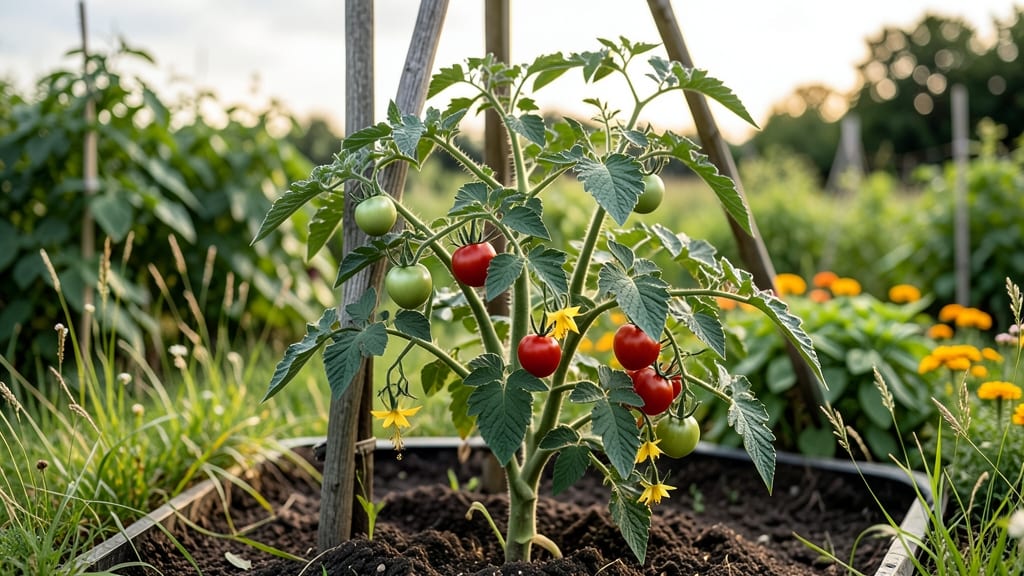
Polish tomato plants transform any garden into a sun-drenched harvest factory—if you pair them right. 🌱 I’ve grown Polish Bush, Polish Pink, and heirloom types for years, and the secret to their legendary productivity isn’t just soil or sunlight—it’s the strategic companions that boost flavor, deter pests, and keep plants thriving. These tomatoes need more than just space; they demand a supportive neighborhood in the garden.
Start with basil—the classic tomato buddy that repels flies and enhances flavor when planted nearby. Add marigolds for their pest-deterring properties and nasturtiums to lure aphids away from your precious vines. For structure, beans or corn work wonders, climbing alongside indeterminate varieties without competing for nutrients.
The key is balance: too many heavy feeders like peppers can starve your tomatoes, while too many shallow-rooted herbs might not provide enough support.
By mid-summer, your Polish tomatoes will reward you with heirloom-sized fruit—sweet, meaty, and bursting with the flavors that make these varieties legendary. The companion plants don’t just protect; they elevate.
Imagine snapping a vine heavy with Polish Pink tomatoes, their skin blushing in the afternoon sun, while the scent of basil and marigolds fills the air. This isn’t just gardening—it’s a symbiotic feast that keeps giving all season.
Whether you’re working with determinate Polish Bush varieties (perfect for containers) or indeterminate heirlooms (that climb like vines), the same principles apply. Adjust spacing for your climate—cooler regions need denser plantings, while hotter areas benefit from wider berths to prevent disease.
The payoff? A harvest so abundant, you’ll wonder why you ever bought store-bought tomatoes.
📚 In This Guide
- What you need
- Instructions
- Tips and common mistakes
- Wrapping up and next steps
What you need
- ● Tomato plants: 1-3 healthy, disease-free plants (determinate or indeterminate varieties work best).
- ● Companion plants (pick 3-5 from the list below): Basil (1-2 plants per tomato)
- ● Marigolds (3-5 plants per 10 sq ft)
- ● Bush beans (10-15 plants per 10 sq ft)
- ● Onions or garlic (3-5 bulbs per 10 sq ft)
- ● Nasturtiums (5-7 plants per 10 sq ft)
- ● Garden soil: 1-2 bags of organic potting mix or compost-enriched soil (per 10 sq ft).
- ● Fertilizer: Balanced organic fertilizer (e.g., 5-5-5 or compost tea).
- ● Watering can or hose: With a gentle spray nozzle.
- ● Pruning shears: Sharp, clean pair for trimming.
- ○ Garden twine or stakes: (Optional but helpful for indeterminate tomatoes).
- ● Mulch: Straw or shredded leaves (2-3 inches thick) to retain moisture.
- ● Coffee grounds: 1 cup per plant (monthly) for nitrogen boost.
- ● Epsom salt: 1 tbsp per gallon of water (for magnesium, every 4-6 weeks).
- ● Row covers: Lightweight fabric to protect seedlings from pests.
- ● pH test kit: To ensure soil pH is between 6.0-6.8 (ideal for tomatoes).
Step-by-step guide to Polish tomato plants for maximum yield
Here's how to boost your tomato harvest using proven companion planting techniques.
🌱 Step 1: Choose the Right Companion Plants
Select plants that enhance tomato growth while deterring pests naturally. I always pair tomatoes with basil (repels flies and mosquitoes), marigolds (deter nematodes), and onions or garlic (ward off aphids). Avoid planting tomatoes near brassicas (cabbage family) or fennel, which stunt their growth.
For a 4-plant setup, include 1 basil plant, 3 marigolds, and 2 onion plants around your tomatoes. Space companions 12-18 inches from tomato stems to prevent competition while maximizing benefits. I plant marigolds in a ring around the perimeter—their bright flowers also attract pollinators.
🌿 Step 2: Plant Tomatoes and Companions Simultaneously
Start by transplanting your tomato seedlings into the garden when soil reaches 60-65°F. Dig holes twice as wide as the root ball to encourage spreading roots. Place companions in their designated spots 1-2 weeks before tomatoes if growing from seed, or at the same time if using transplants.
I like to create a micro-ecosystem by adding a 1-inch layer of compost to the planting hole before placing the tomato. This gives roots an immediate nutrient boost. Water deeply after planting to settle soil and remove air pockets—you'll see soil firm up around stems without cracking.
☀️ Step 3: Maintain Proper Spacing and Light
Ensure tomatoes receive full sun (8+ hours daily) while companions get partial shade if needed. I position taller companions like basil on the north side of tomatoes to prevent shading. Monitor leaf color—healthy tomato leaves should be deep green with no yellowing.
Water at the base of plants in the morning to avoid fungal issues. I use drip irrigation for consistency, keeping soil 1-2 inches moist but never soggy. Overwatering stresses tomatoes and dilutes companion benefits. You'll notice stronger stems and glossier leaves within 2 weeks of proper care.
✂️ Step 4: Prune and Support for Optimal Growth
Prune tomato suckers (side shoots) weekly to direct energy to fruit production. I also trim companion plants like basil to encourage bushier growth—this increases pest-repelling foliage. Use cage supports for indeterminate tomatoes to prevent sprawling.
Harvest companions as needed (e.g., snip basil leaves) to promote continuous growth. Remove any yellow or diseased leaves immediately to prevent spread. By mid-summer, you'll see tomatoes ripening faster and companions thriving alongside them—a clear sign the ecosystem is working.
🪴 Step 5: Fertilize and Mulch for Long-Term Health
Apply a balanced organic fertilizer (10-10-10) every 4-6 weeks to support both tomatoes and companions. I use compost tea for a gentle nutrient boost without burning roots. Mulch with straw or grass clippings to retain moisture and suppress weeds.
This setup reduces watering needs by 30% while increasing yields. By harvest time, your tomatoes will be larger, sweeter, and more abundant—thanks to the natural support of their companions. The key is consistency: prune, water, and monitor regularly.
Tips & tricks for perfect companion planting with tomatoes
These game-changing insights will help you maximize your tomato harvest using natural companion planting strategies.
Companion Plant Placement: When arranging your 4-plant setup with 1 basil, 3 marigolds, and 2 onions, place marigolds in a circular pattern around the perimeter of your tomato plants. This creates a natural pest barrier while allowing the tomato's broad canopy to shade the soil and reduce weed competition. The basil should go on the north side to prevent shading during peak sunlight hours.
Soil Preparation Secret: Before planting, mix a 1-inch layer of compost directly into the planting hole—not just on top. This creates a nutrient-rich zone that roots can immediately access, giving your tomatoes a growth boost from day one. For even better results, add a handful of worm castings to the compost mixture for extra microbial activity.
Watering Wisdom: The key to consistent moisture is drip irrigation placed at the base of plants, delivering water directly to the roots. Water in the morning to allow foliage to dry before evening, which prevents fungal diseases like early blight. Aim to keep soil 1-2 inches moist—this means watering when the top inch feels dry to the touch, not on a fixed schedule.
Pruning Precision: When you're pruning tomato suckers weekly, focus on removing only the side shoots that grow between the main stem and branches. These suckers divert energy away from fruit production. For basil companions, trim leaves regularly to encourage bushier growth and more pest-repelling foliage. Always use clean, sharp pruners to prevent disease transmission between plants.
Pro Tips for Polish Tomato Plants
- These game-changing insights will help you maximize your tomato harvest using natural companion planting strategies.
- Companion Plant Placement: When arranging your 4-plant setup with 1 basil, 3 marigolds, and 2 onions, place marigolds in a circular pattern around the perimeter of your tomato plants.
- Soil Preparation Secret: Before planting, mix a 1-inch layer of compost directly into the planting hole—not just on top.
Frequently asked questions
Got questions about polishing your tomato plants for a bountiful harvest? Here are some of the most common ones—plus expert answers to help you grow like a pro!
When is the best time to start pairing companion plants with tomatoes?
Plant companions like basil, marigolds, or onions right when you transplant seedlings (or sow seeds). Early pairing helps deter pests, improve soil health, and boost growth from day one. Avoid waiting until flowers appear—timing is key for maximum benefits!
What if I don’t have space for companion plants? Are there alternatives?
No garden? No problem! Try container gardening—pair tomatoes with basil or thyme in pots. For ground space, use mulch (straw or grass clippings) to retain moisture and suppress weeds. Even rotating crops (like planting beans after tomatoes) can mimic companion benefits naturally.
Why do my tomato plants still get pests even with companions?
Companions like marigolds repel pests, but aphids or hornworms can still strike. Handpick pests or spray with neem oil. Check soil moisture—stressed plants attract bugs! Rotate companions yearly to prevent pest buildup in the soil.
How often should I check on my tomato plants and their companions?
Inspect weekly for pests, wilting, or nutrient deficiencies. Water deeply 1–2x/week (adjust for heat/drought). Prune suckers and yellow leaves monthly to keep plants healthy. Companions like basil thrive with similar care—keep them trimmed and happy!
Can I use herbs like mint or parsley as tomato companions?
Not ideal! Mint is invasive and can choke tomatoes, while parsley attracts pests like swallowtail butterflies. Stick to proven pairs: basil, marigolds, borage, or nasturtiums. When in doubt, research the companion’s reputation before planting!
Wrapping up and next steps
Growing polish tomato plants with the right companions isn’t just smart—it’s a game-changer for your harvest! 🌱 By pairing them with basil, marigolds, or borage, you’ll naturally deter pests, boost flavor, and even improve soil health.
The key is observation and patience, but the rewards—juicy, vine-ripened tomatoes—are totally worth it.
Ready to put your newfound knowledge into action? Start small this season: plant a few companion pairs in your garden or containers, and watch your tomatoes thrive! 🍅💚 Happy gardening!