
Companion Plants
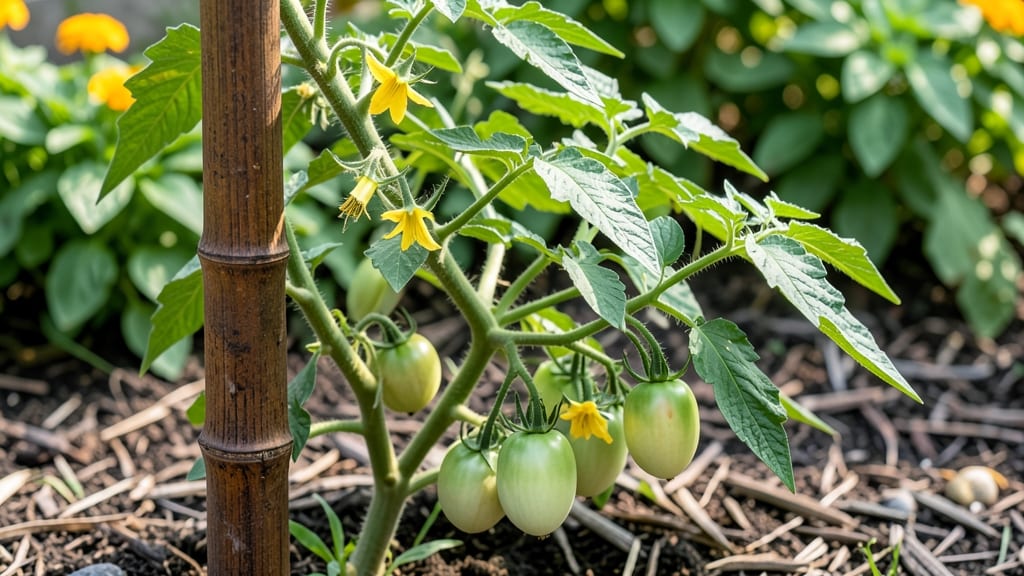
The moonglow tomato plants grow like jungle vines—reaching 10 feet tall without needing staking. 🌿 Honestly, I thought I'd need cages every year, but these beauties climb on their own, saving me time and frustration. Their sweet, tangy flavor and disease resistance make them a gardener's secret weapon.
These indeterminate varieties thrive in warm climates but also adapt well to cooler regions if planted after the last frost. They demand 6-8 hours of sunlight daily and well-draining soil rich in organic matter. The key to their success? Consistent moisture—they hate soggy roots but wilt fast if dry.
By midsummer, you'll be harvesting glossy, golden-yellow tomatoes that burst with flavor. Prune regularly to encourage airflow, and watch for common pests like hornworms. The payoff? A bountiful harvest with minimal effort—no trellises required. Perfect for small spaces, balconies, or even large gardens.
Here's how to grow them like a pro!
📚 In This Guide
- What you need
- Instructions
- Tips and common mistakes
- Wrapping up and next steps
What you need
- ● Moonglow tomato seeds or seedlings: 3–5 plants (check seed packets for spacing—these vines spread wide!)
- ● Large containers or grow bags: 5-gallon minimum per plant (or a tall, narrow 3–5 gallon pot for vertical growth). Ensure drainage holes are present!
- ● High-quality potting mix: 10–15 lbs (or a blend of 60% compost, 30% coco coir, and 10% perlite for drainage). Avoid garden soil—it compacts!
- ● Balanced fertilizer (10-10-10 or 5-5-5): 1–2 lbs to amend soil before planting. Organic options like worm castings work too!
- ● Tomato cages or trellis alternative: DIY option: Sturdy bamboo stakes (3–4 ft tall) + twine or soft plant ties.
- ● Store-bought: 5–6 ft tall tomato towers (like A-frame cages) designed for indeterminate varieties.
- ● Mulch: Straw or shredded leaves (2–3 inches thick) to retain moisture and suppress weeds.
- ● Watering can or hose with a gentle spray nozzle: Moonglows hate soggy roots—water deeply 1–2x/week.
- ● Compost tea or liquid fertilizer: For a nutrient boost during flowering/fruiting (follow package instructions!).
- ● Reflective mulch (e.g., aluminum foil): Place around the base to deter pests like cutworms.
- ● Pruning shears: For trimming suckers and shaping vines (sterilize blades with rubbing alcohol!).
- ● Garden twine or Velcro plant ties: Softer than wire—gentler on stems as vines grow!
- ● Shade cloth (30–50% coverage): If your climate gets scorching summers, protect young plants for 1–2 weeks.
How to grow Moonglow tomato plants without traditional staking
Here's my go-to method for cultivating these self-supporting beauties—no cages, no trellises, just strong vines that reach for the sky naturally.
🌱 Step 1: Select the Right Location and Prepare the Soil
Moonglow tomatoes thrive in full sun (at least 6-8 hours daily) and need rich, well-draining soil with a pH between 6.0 and 6.8. I always choose a spot sheltered from strong winds, which can damage their sprawling growth habit. Amend the soil with 2-3 inches of compost mixed into the top 12 inches of soil to encourage robust root development.
Loosen the soil to a depth of 12-18 inches with a broadfork or tiller, breaking up any compacted layers. This prevents root-bound growth and helps the plant establish a strong foundation. If your soil drains poorly, add a handful of perlite or coarse sand to improve aeration. Moonglows reward good soil prep with vigorous, disease-resistant vines.
🪴 Step 2: Plant Deeply and Space Properly
Dig a hole wide enough to accommodate the root ball but twice as deep as the container it came in. This encourages deeper root growth and stronger stems. Gently remove the plant from its container and place it in the hole, ensuring the top of the root ball sits 1-2 inches below soil level. The buried stem will develop additional roots, creating a more stable plant.
Space plants 3-4 feet apart in all directions to allow for their sprawling habit. Unlike determinate varieties, Moonglows grow 6-8 feet tall and spread 4-5 feet wide, so give them room to flourish without crowding. Water deeply after planting to settle the soil and remove any air pockets around the roots.
☀️ Step 3: Water Consistently and Mulch Heavily
Moonglow tomatoes need 1-1.5 inches of water per week, delivered consistently to prevent fluctuations in soil moisture. I water at the base of the plant in the early morning to reduce evaporation and fungal risks. Allow the top 1-2 inches of soil to dry slightly between waterings—this prevents root rot while keeping the plant hydrated.
Apply a 3-4 inch layer of organic mulch (such as straw or shredded leaves) around each plant, keeping it 2-3 inches away from the stem to prevent rot. Mulch conserves moisture, regulates soil temperature, and suppresses weeds. Replenish the mulch layer as it breaks down throughout the growing season to maintain its benefits.
🌿 Step 4: Prune Strategically for Airflow and Fruit Production
Unlike staked tomatoes, Moonglows benefit from selective pruning to improve airflow and direct energy toward fruit production. Remove any suckers (side shoots) that grow in the leaf axils below the first flower cluster. These shoots divert energy away from fruit development, so I pinch them off early in the season to encourage stronger main stems.
Leave suckers only on the lower 12-18 inches of the plant to promote bushier growth at the base, which helps support the vine’s natural weight. Thin out crowded foliage to ensure sunlight reaches the lower leaves and fruit. This reduces humidity around the plant, lowering the risk of fungal diseases like blight.
⏰ Step 5: Harvest and Support Naturally as Needed
Moonglow tomatoes ripen over an extended period, so I harvest every 2-3 days once fruits begin coloring. Gently twist the tomato from the vine—don’t pull it—while holding the stem to avoid damaging the plant. This encourages continuous production and prevents overripe fruit from sapping the plant’s energy.
As the vines grow taller, I occasionally weave them into a loose, natural frame using bamboo stakes or a simple teepee structure made from 3-4 stakes tied at the top. This provides minimal support without restricting growth. Avoid over-tightening any ties, as Moonglows need room to sway slightly in the breeze for proper air circulation.
Tips & tricks for growing thriving Moonglow tomato vines
These insights will help you coax the best performance from your sprawling tomato varieties without the fuss of traditional staking.
Soil Preparation Secret: In Step 1, when you're amending the soil with 2-3 inches of compost, I recommend adding a handful of worm castings to the mix. These natural fertilizers introduce beneficial microbes that improve nutrient uptake and disease resistance. The extra effort pays off with noticeably stronger plants that handle the sprawling growth better. For heavy clay soils, mix in 1 cup of perlite per square foot to improve drainage—this prevents root rot while maintaining moisture.
Planting Depth Technique: The deep planting in Step 2 is where the magic happens. When you bury the stem 1-2 inches below soil level, focus on keeping the soil loosely packed around the buried portion. I use my fingers to create small air pockets as I backfill—this encourages root development along the entire stem rather than just at the base. If your soil is particularly dense, consider adding a handful of sand to the backfill mix for better aeration.
Watering Strategy: For the 1-1.5 inches of weekly water in Step 3, I've found that using a soaker hose set to deliver water slowly at the base works wonders. This method reduces evaporation and fungal risks compared to overhead watering. In hot climates, you might need to increase to 2 inches per week, but always check the top 1-2 inches of soil—it should feel slightly dry before watering again. The mulch layer you apply will help maintain consistent moisture levels throughout the season.
Pruning Visual Cues: When pruning in Step 4, look for suckers that are smaller than your thumb—these are the ones to remove. I use sharp pruning shears to make clean cuts just above the leaf axil where the sucker emerges. For the lower 12-18 inches, leave suckers that are growing at a 45-degree angle or less from the main stem. These will create a natural support system while maintaining airflow. The goal is to create a bushy base that can support the vine's weight without needing external support.
Pro Tips for Moonglow Tomato Plants
- These insights will help you coax the best performance from your sprawling tomato varieties without the fuss of traditional staking.
- Soil Preparation Secret: In Step 1, when you're amending the soil with 2-3 inches of compost, I recommend adding a handful of worm castings to the mix.
- Planting Depth Technique: The deep planting in Step 2 is where the magic happens.
Frequently asked questions
Got questions about growing Moonglow tomato plants? You’re not alone! Here are some of the most common queries—plus quick, practical answers to help you grow these stunning, staking-free vines like a pro.
How tall do Moonglow tomato plants really get without staking?
Moonglow tomatoes can reach 6 to 10 feet tall (or even taller in ideal conditions!) when left unstaked. Their indeterminate growth means they’ll keep producing fruit until frost—just give them plenty of space (like a corner of your garden or a sturdy trellis if you prefer). Pro tip: Prune suckers regularly to encourage upward growth and better airflow.
When is the best time to plant Moonglow tomatoes?
Start seeds 6–8 weeks before your last frost date indoors (or sow directly outdoors 2–3 weeks after the last frost when soil is at least 60°F). Moonglows thrive in warm weather, so avoid planting too early—they’re sensitive to cold snaps. If your growing season is short, opt for early-maturing varieties or extend it with row covers.
Can I grow Moonglow tomatoes in containers?
Moonglows adapt well to large containers (at least 5-gallon pots) if you provide support (like a cage or a freestanding trellis). Use a lightweight, well-draining potting mix and fertilize regularly. Just ensure the container gets 6–8 hours of sunlight daily—balconies, patios, or even hanging planters work if the roots have room to spread.
What pests or diseases should I watch for with Moonglow tomatoes?
Moonglows are generally resilient, but keep an eye out for hornworms, aphids, and early blight. For pests, handpick hornworms or spray with neem oil. To prevent blight, space plants 18–24 inches apart for airflow and avoid overhead watering. Pro tip: Mulch with straw to deter soil-borne diseases and retain moisture.
What can I plant near Moonglow tomatoes for companion planting?
Moonglows love companions! Try planting them with basil, marigolds, or onions to repel pests. Avoid brassicas (like cabbage) or fennel, which can stunt their growth. Herbs like oregano or thyme also thrive nearby and improve flavor. Bonus: Let them sprawl near cucumbers or beans for a space-saving, mutually beneficial setup!
Wrapping up and next steps
Growing Moonglow tomato plants is a rewarding adventure—these towering beauties prove that staking isn’t always necessary, and their sweet, juicy rewards make the effort worthwhile! 🌱 With the right companion plants, soil prep, and a little patience, you’ll soon be harvesting garden-fresh tomatoes that outshine store-bought varieties.
Ready to take your harvest to the next level?
Your next step? Experiment! Try pairing Moonglows with your favorite companions (like basil or marigolds) or share your progress with fellow gardeners.
Whether you’re a seasoned grower or a curious beginner, every vine you nurture is a step closer to a bountiful, staking-free tomato harvest—so grab those seeds and get planting!