
Diseases
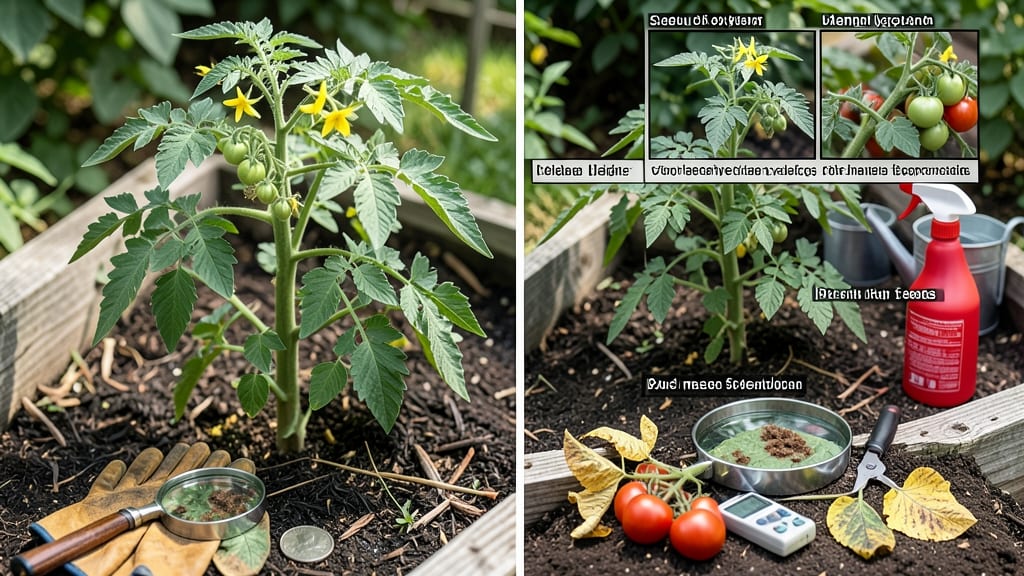
Identifying tomato plant diseases early saves your harvest—and my first garden was lost to blight before I learned the warning signs. 🌱 The key is knowing what to look for: yellowing leaves, dark spots, or sudden wilting that isn’t from thirst.
These 12 fungal foes strike fast, but recognizing their symptoms gives you the upper hand before they spread.
Most diseases start with tiny clues—like powdery white dust on leaves (powdery mildew) or brown, greasy spots that spread (early blight). The culprits? Damp soil, poor airflow, or last year’s leftover spores.
I’ve seen healthy plants turn into sad, wilted shadows in days, but the right mix of prevention (resistant varieties, spacing plants) and quick action keeps them thriving.
Here’s the good news: you can stop the spread with simple fixes—pruning infected leaves, improving airflow, and using copper sprays or neem oil. The goal isn’t perfection; it’s catching problems before they ruin your entire crop. With these tricks, your tomatoes will stay lush, productive, and blight-free all season.
Whether you’re a first-time gardener or a seasoned grower, this guide cuts through the confusion. No more guessing—just clear steps to identify, prevent, and treat the most common tomato diseases. Let’s get your plants back to their best!
The Hidden Triggers Behind Tomato Troubles
Tomato plant diseases don’t strike out of nowhere—they’re often the result of a perfect storm of environmental factors, poor gardening habits, or even sneaky pests. Understanding why these issues pop up is half the battle in keeping your plants healthy.
Below, we break down the most common culprits behind tomato plant diseases, so you can nip them in the bud before they spread.
Many fungal diseases—like early blight and late blight—thrive in hot, damp weather. When temperatures hover between 70°F and 85°F (21°C–30°C) and humidity stays high, spores spread like wildfire. Wet foliage (especially overnight) gives fungi the moisture they need to germinate and infect leaves.
Why it matters:
- Spores splash from soil to leaves during watering or rain, creating entry points.
- Stagnant air traps humidity, slowing evaporation and prolonging dampness on leaves.
- Some fungi (like Phytophthora) actually prefer warm, wet soil, making roots vulnerable.
💡 Pro Tip: Space plants for airflow, water at the base (not overhead), and avoid planting in low-lying areas where water pools.
Tomatoes hate soggy feet but also despise thirst. Inconsistent watering creates stress, weakening defenses and inviting disease. Fusarium wilt and Verticillium wilt, for example, exploit stressed roots, while powdery mildew flourishes when plants dry out too quickly, then get drenched again.
Why it matters:
- Frequent wetting of leaves keeps fungal spores active longer.
- Drought stress opens stomata (leaf pores), making it easier for pathogens to sneak in.
- Splashed soil can carry bacterial spot or septoria leaf spot directly onto foliage.
🎯 Fix It: Use drip irrigation or soaker hoses to deliver water consistently at the soil level. Water early in the day so leaves dry by nightfall.
Tomatoes need room to breathe—literally. Overcrowding reduces airflow, trapping moisture and creating ideal conditions for blight and mildew. Stressed plants (from transplant shock, nutrient deficiencies, or pest damage) also produce less chlorophyll, making them easier targets.
Why it matters:
- Poor airflow slows evaporation, keeping leaves damp longer.
- Competition for nutrients weakens cell walls, making them more susceptible to invasion.
- Injured leaves (from pests or rough handling) act as open doors for bacteria and fungi.
✨ Prevention: Prune suckers regularly, stake plants for support, and thin seedlings so they’re 18–24 inches apart. Rotate crops yearly to avoid soil-borne pathogens.
Diseases like Fusarium and Phytophthora can lurk in soil for years, waiting for the right host. Even well-meaning gardeners can spread spores via unsterilized pruners, gloves, or shared compost. Bacterial wilt, for instance, can hitch a ride on contaminated hands or tools.
Why it matters:
- Infected plant debris left in soil releases spores when conditions are right.
- Reusing old mulch or compost from diseased plants recycles pathogens.
- Tools carry Pseudomonas (bacterial spot) between plants like a disease taxi.
🔥 Sanitation Steps:
- Sterilize tools with a 10% bleach solution or rubbing alcohol between uses.
- Remove and destroy (don’t compost) infected plant material.
- Test soil for Fusarium or Verticillium if you’ve had repeat issues.
Some pests don’t just damage tomatoes—they spread diseases. Aphids, for example, excrete honeydew, which fosters sooty mold. Whiteflies and thrips can transmit tomato spotted wilt virus (TSWV), while slugs leave slime trails that harbor bacterial soft rot.
Why it matters:
- Insect feeding weakens plant tissues, making them ripe for infection.
- Pests carry pathogens on their bodies or in their saliva.
- Honeydew creates a sticky sugar film that blocks sunlight and traps moisture.
👨🍳 Defense Plan: Use neem oil or insecticidal soap to control pests early. Introduce beneficial predators (like ladybugs) to keep populations in check.
Fixing Tomato Plant Diseases Fast
Once you’ve pinpointed the issue, acting quickly can save your tomato harvest—and your sanity. Below are practical, step-by-step solutions for each common disease, plus prevention tips to keep your plants thriving. Think of this as your emergency repair manual for tomato troubles!
🔥 Remove infected leaves immediately – Snip off yellowed or spotted leaves with clean pruners (sterilize with rubbing alcohol between cuts). Dispose of them in the trash not the compost pile—this disease overwinters in soil!
🍳 Apply copper fungicide – Spray a preventative mix of copper fungicide (like Bordeaux mixture) every 7–10 days during wet seasons. Copper disrupts fungal spores without harming beneficial insects.
👨🍳 Improve airflow – Prune lower leaves to reduce humidity near the soil. Space plants 18–24 inches apart and avoid overhead watering.
⏰ Prevention pro tip: 💡 Rotate crops—don’t plant tomatoes in the same spot yearly. Early blight loves lingering in infected soil!
🔪 Quarantine infected plants ASAP – Late blight spreads fast (like wildfire). Isolate affected plants and remove all foliage. Burn or trash it—do not compost.
🥘 Spray with a baking soda mix – Combine 1 tbsp baking soda + 1 tsp dish soap + 1 gallon water. Spray every 5–7 days for prevention. For severe cases, switch to a chlorothalonil-based fungicide (like Daconil).
🌡️ Water at the roots, not the leaves – Wet foliage = fungal buffet. Use drip irrigation or water early in the morning so leaves dry by night.
✨ Prevention hack: 💡 Plant blight-resistant varieties like ‘Mountain Merit’ or ‘Defiant PhR.’ And remove garden debris in fall—this disease hibernates in old plant material!
🍳 Prune aggressively – Cut out all spotted leaves (even small ones). Sterilize tools between cuts to avoid spreading spores.
🔥 Use a fungicide rotation – Alternate between copper fungicide and potassium bicarbonate (like Armicarb). Apply every 7–10 days during rainy periods.
👨🍳 Adjust your watering game – Water only at the base and avoid late-day watering. If you must water leaves, use a fungicide spray mixed with water.
🎯 Prevention tip: 💡 Space plants properly (24–36 inches apart) to improve airflow. And sanitize tools—this disease clings to dirty pruners!
🔪 Remove severely infected leaves – If powdery mildew covers more than 20% of a leaf, toss it. For milder cases, wipe leaves with a damp cloth (neem oil helps too).
🥘 Spray neem oil or horticultural oil – Mix 1 tbsp neem oil + 1 tsp soap + 1 quart water. Spray every 5–7 days at dawn or dusk to avoid burning leaves.
🌡️ Boost airflow and sunlight – Powdery mildew thrives in shade. Prune nearby plants to let sunlight hit your tomatoes. Add a fan on low for 1–2 hours daily if growing indoors.
💡 Prevention must-do: 🔥 Avoid overhead watering—water at the soil level. And plant mildew-resistant varieties like ‘Celebrity’ or ‘Better Boy.’
⚠️ Warning: These soil-borne diseases have no chemical cure. Focus on prevention and managing symptoms.
🔪 Remove and destroy infected plants – Dig up entire plants (roots and all) and do not compost. Solarize the soil (cover with clear plastic for 4–6 weeks in summer) to kill spores.
🍳 Choose resistant varieties – Plant Fusarium-resistant tomatoes like ‘Mountain Spring’ or ‘Defiant.’ For Verticillium, try ‘Beefmaster’ or ‘Tycoon.’
👨🍳 Improve soil health – Avoid overwatering (these fungi love soggy soil). Amend soil with compost and organic matter to boost plant resilience.
✨ Prevention shield: 💡 Rotate crops—don’t plant nightshades (tomatoes, peppers, potatoes) in the same spot for 3–4 years. Test soil pH (aim for 6.0–6.8) to reduce fungal activity.
🔪 Destroy infected plants immediately – These bacteria spread via water and tools. Remove plants, sterilize pruners, and disinfect surfaces with bleach.
🥘 Copper spray is your best friend – Use copper fungicide (like Kocide) every 5–7 days during wet weather. It’s not a cure, but it slows spread.
🌡️ Water wisely – Drip irrigation only. Avoid splashing water on leaves, especially in the evening.
💡 Prevention drill: 🔥 Rotate crops and sanitize everything—tools, containers, even your hands! Use bacterial-resistant varieties like ‘Bush Early Girl’ or ‘Celebrity.’
Want to avoid diseases next season? Check off these must-dos:
- 🌱 Rotate crops – Never plant tomatoes in the same spot two years in a row.
- 💧 Water at the base – Never overhead water (especially in the evening).
- 🧹 Clean up debris – Remove old leaves, stems, and mulch after harvest.
- 🔄 Sterilize tools – Wipe pruners with rubbing alcohol between plants.
- 🌿 Choose resistant varieties – Pick disease-resistant seeds (look for V, F, N, or T labels).
- 🌡️ Monitor humidity – Use a fan or shade cloth in hot, muggy climates.
Final thought: 🎯 An ounce of prevention beats a pound of cure. Once diseases take hold, recovery is tough—but with these steps, you’ll minimize damage and keep your tomato plants happy (and productive) all season!
Frequently asked questions
How can I tell if my tomato plant has a fungal disease vs. a bacterial infection?
Fungal diseases often show up as powdery white coatings (powdery mildew) or concentric rings (early blight). Bacterial infections usually cause water-soaked spots that ooze or turn yellow. Fungi thrive in damp conditions, while bacteria often spread through wounds or contaminated water.
Can I still harvest tomatoes from a diseased plant?
Yes, but only if the fruit itself shows no signs of infection. Remove and discard any diseased leaves or stems first. Wash tomatoes thoroughly before eating. For bacterial wilt or late blight, destroy the entire plant immediately to prevent spread.
What's the fastest way to sterilize garden tools to prevent disease spread?
Wipe tools with 70% rubbing alcohol or soak in a 10% bleach solution (1 part bleach to 9 parts water) for 10 minutes. Rinse and dry completely before use. For extra protection, use a 10% vinegar solution between plants.
Are there any tomato varieties that naturally resist most diseases?
Yes! Look for varieties with resistance codes like 'V' (Verticillium), 'F' (Fusarium), or 'N' (Nematodes). Top picks include 'Mountain Merit' (blight-resistant), 'Defiant PhR' (multiple resistances), and 'Bush Early Girl' (bacterial-resistant). Always check seed packets for resistance labels.
Why do my tomato plants get diseases even when I follow all the prevention tips?
Diseases can come from contaminated soil, windborne spores, or hidden pathogens in neighboring plants. Even resistant varieties can succumb if stressed by extreme weather or poor nutrition. Test your soil and rotate crops aggressively to break disease cycles.