
Vegetables
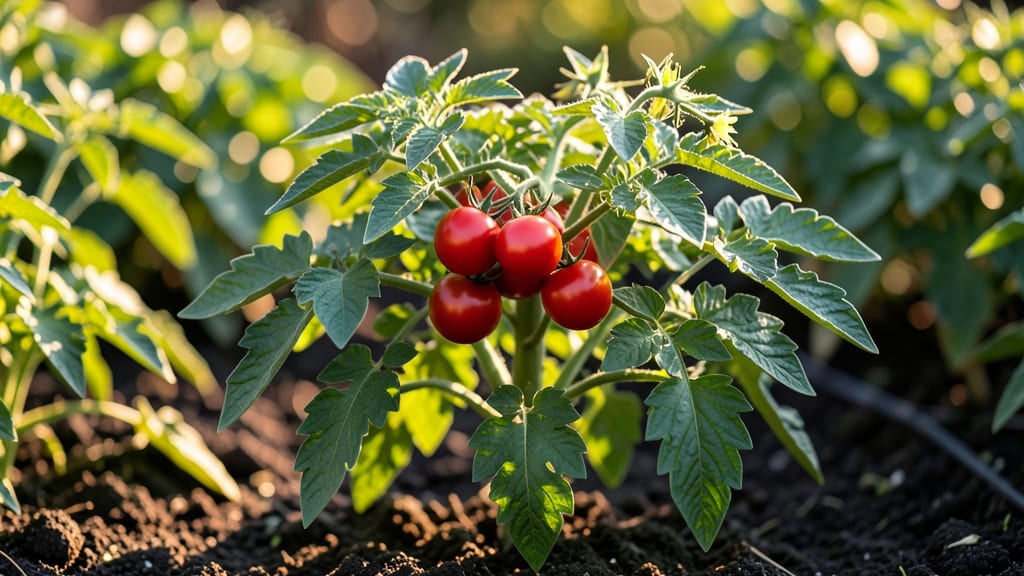
Husky Cherry Red tomatoes grow determinate or indeterminate—and that choice changes everything from pruning to harvest timing. I’ve grown both versions side by side, and the determinate plants produce earlier, heavier clusters while indeterminate ones keep yielding until frost. Neither is "better"—just different.
Determinate Husky Cherries stop growing at a fixed height (3-4 feet), making them perfect for cages or small spaces. They ripen all at once, so you’ll need to harvest every 2-3 days for weeks. Indeterminate types, though, climb 6-8 feet on trellises, spreading their harvest over months with smaller clusters.
The flavor? Identical—both pack that signature sweet-tart punch, but determinates resist cracking better in heavy rain. If you want one-and-done harvests, go determinate. If you prefer steady snacks all season, choose indeterminate. Either way, these tomatoes outshine store-bought every time.
Space matters: determinates need 18-24 inches apart, while indeterminates stretch to 24-36 inches. Both thrive in containers (5+ gallons), but indeterminates need sturdy supports. My pro tip? Plant both—you’ll get early tomatoes and a long-season supply.
The first product explained
Meet the Husky Cherry Red Tomato—a burst of sweet, tangy flavor that’ll make your garden (and your taste buds!) sing! 🍅🔥 Whether you're a backyard gardener or a small-scale farmer, this tomato variety is a game-changer. But here’s the kicker: it comes in both determinate and indeterminate forms, each with its own superpowers. Let’s dive into the details of this juicy star!
🌱 Specs & Features
The Husky Cherry Red is a heirloom tomato loved for its vibrant red color, sweet-tart flavor, and versatility. Here’s what sets it apart:
- Fruit Size: Small, cherry-sized tomatoes (about 1-1.5 inches in diameter)
- Yield: Prodigious! One plant can produce hundreds of tomatoes over the growing season.
- Days to Maturity:
- Determinate: 55-65 days (great for container growing or short seasons)
- Indeterminate: 65-75 days (keeps producing until frost)
- Growth Habit:
- Determinate: Bush-like, compact (ideal for small spaces or cages)
- Indeterminate: Vining, sprawling (needs trellising for vertical growth)
- Disease Resistance: Moderately resistant to verticillium and fusarium wilt (but watch for early blight)
- Flavor Profile: Sweet with a hint of tartness—perfect for snacking, salads, or sauces!
🎯 Who’s It For?
This tomato is a crowd-pleaser for:
- Home Gardeners: Beginners and pros alike love its low-maintenance nature and high rewards.
- Small Farmers: The indeterminate version is a harvest machine for markets or CSAs.
- Container Gardeners: The determinate type thrives in pots (just give it a 5-gallon container or larger!).
- Health-Conscious Eaters: Packed with lycopene, vitamin C, and antioxidants—great for salads or roasting!
- Foodies & Chefs: Its bright flavor elevates caprese skewers, bruschetta, and sangria.
💰 Price Point & Where to Buy
Seeds and seedlings for Husky Cherry Red are affordable and widely available:
- Seeds: $2–$4 per packet (check Baker Creek Heirloom Seeds, Burpee, or Seed Savers Exchange)
- Seedlings: $4–$8 per plant (local nurseries or online retailers like Bonnie Plants)
- Pro Tip: 💡 Buy organic seeds if you want to avoid GMOs or save seeds for next year!
For the best deal, start with seeds—they’re cheaper and let you experiment with both determinate and indeterminate varieties!
The second product explained
Meet the Husky Cherry Red Tomato—a vibrant, high-yielding superstar that’s as easy to grow as it is delicious! 🍅✨ This heirloom variety is a favorite among home gardeners and urban farmers alike, offering a perfect balance of productivity, flavor, and versatility. Whether you're a seasoned gardener or a curious beginner, this tomato delivers big rewards with minimal fuss.
Key Specs & Features
Here’s what makes the Husky Cherry Red stand out:
- Growth Habit: Available in both determinate (bush) and indeterminate (vining) forms—ideal for containers, small spaces, or sprawling gardens.
- Fruit Characteristics:
- Small, cherry-sized tomatoes (1–1.5 inches) with a deep, sweet, and slightly tangy flavor.
- Rich red color that intensifies as they ripen.
- High yield: Clusters of 20–30 tomatoes per truss!
- Maturity & Harvest:
- Determinate: Ready in 55–65 days—great for early harvests and sauces.
- Indeterminate: Produces all season long (up to frost) with continuous fruiting.
- Disease Resistance: Moderately resistant to verticillium and fusarium wilt, making it a tougher choice for less-than-ideal conditions.
- Versatility: Perfect for snacking fresh, salads, salsas, homemade sauces, or even sun-dried tomatoes!
Who’s It For?
This tomato is a crowd-pleaser for:
- Small-space gardeners: The determinate variety thrives in pots (5+ gallons) or raised beds.
- Long-season growers: The indeterminate type keeps producing until frost—ideal for warm climates or extended growing seasons.
- Flavor enthusiasts: Lovers of sweet, juicy tomatoes with a hint of complexity.
- Busy gardeners: Low-maintenance once established, with compact growth (determinate) or manageable vines (indeterminate).
Price Point & Value
The Husky Cherry Red is a steal for the flavor and yield it delivers!
- Seeds: Typically $2–$4 per packet (organic or heirloom varieties may cost slightly more).
- Plants (nursery): $3–$6 each, depending on location and organic certification.
- Value Highlights:
- One plant can produce hundreds of tomatoes—far more than you’d buy in stores!
- Year-after-year savings if you save seeds from your harvest.
- Dual-purpose flexibility: Grow determinate for quick harvests or indeterminate for a never-ending supply.
Head-to-head comparison
Ready to dive into the great Husky Cherry Red Tomato debate? Whether you're a seasoned gardener or just starting your green thumb journey, understanding the differences between determinate and indeterminate varieties can make or break your harvest.
Below, we break down the key dimensions side by side to help you decide which type fits your garden goals—and your taste buds! 🍅🌱
🌿 Growth Habit & Plant Structure
This is where the two varieties really start to shine—or, well, not shine, in the case of determinate types! Here’s how they stack up:
| Feature | Determinate Husky Cherry Red | Indeterminate Husky Cherry Red |
|---|---|---|
| Plant Shape | Bushy, compact (typically 2–4 feet tall) | Vining, sprawling (can grow 6–10+ feet tall with support) |
| Growth Pattern | Stops growing at a set height; sets fruit all at once | Grows continuously; produces fruit over an extended season |
| Support Needs | Minimal—may need small cages or stakes for heavy fruit | Essential! Requires trellises, stakes, or cages to manage height and weight |
| Space Requirements | Ideal for small gardens, containers, or tight spaces | Needs more room; best for larger gardens or vertical growing |
Pro Tip: 💡 If you’re short on space or prefer low-maintenance plants, determinate varieties are your best bet. But if you love the idea of a never-ending harvest, indeterminate vines will keep you (and your neighbors) in cherry tomatoes all season long!
🍅 Fruit Production & Harvest Timeline
The way these tomatoes produce fruit is a game-changer for planning your meals and preserving your harvest. Here’s how they differ:
| Feature | Determinate | Indeterminate |
|---|---|---|
| Harvest Window | All at once (typically 2–3 weeks) | Extended (weeks to months, depending on climate) |
| Fruit Size Consistency | Uniform size (great for canning or selling) | Varies—some tomatoes may stay small, while others grow larger |
| Yield Quantity | Moderate to high (but concentrated in a short time) | Lower per plant but continuous over time |
| Best For | Canning, sauces, or selling at farmers' markets | Fresh eating, salads, or long-term snacking |
Pro Tip: 🎯 If you’re planning a big batch of salsa or tomato sauce, determinate varieties are perfect for their simultaneous harvest. Indeterminate plants, on the other hand, are ideal if you want to enjoy fresh tomatoes all summer without the rush!
💰 Cost & Maintenance
Your wallet—and your time—will thank you for considering these factors. Let’s compare the upfront and ongoing costs:
| Feature | Determinate | Indeterminate |
|---|---|---|
| Seedling Cost | $2–$4 per plant (similar to indeterminate) | $2–$4 per plant |
| Support Costs | Minimal (small cages or stakes) | Higher (trellises, tall stakes, or cages) |
| Pruning Needs | Little to none (self-contained growth) | Regular pruning to manage vines and improve airflow |
| Fertilizer Needs | Moderate (focus on blooming) | Higher (continuous growth demands more nutrients) |
| Pest Risk | Lower (compact plants are easier to monitor) | Higher (vines can attract more pests; requires vigilance) |
Pro Tip: 🔥 If you’re a busy bee or new to gardening, determinate varieties require less hands-on work. Indeterminate plants, while rewarding, need more attention—but the payoff of a longer harvest season is worth it for many gardeners!
🌡️ Climate & Disease Resistance
Not all tomatoes thrive in every climate, and disease resistance can make or break your harvest. Here’s how these two types handle the elements:
| Feature | Determinate | Indeterminate |
|---|---|---|
| Cold Tolerance | Moderate (better for cooler climates) | Sensitive (needs warm soil and air to thrive) |
| Heat Tolerance | Good (sets fruit quickly before heat stress) | Better (can handle heat if well-watered and supported) |
| Disease Resistance | Generally more resistant (compact growth reduces spread) | Can be more susceptible (dense vines trap moisture and pests) |
| Best Regions | Cooler climates, short growing seasons | Warm climates, long growing seasons |
Pro Tip: 🌡️ If you live in a shorter growing season (like Zone 5 or 6), determinate varieties are your best bet—they bolt to fruit faster. For hot, humid climates, indeterminate plants can outperform if given proper care and support!
🍽️ Flavor & Culinary Uses
Last but certainly not least—the flavor! While both varieties are Husky Cherry Reds, their growth habits can influence taste and best uses:
Which one should you choose?So, you’re ready to grow Husky Cherry Red Tomatoes—but which type suits your garden best? Let’s break it down with a clear verdict and tailored recommendations to help you pick the perfect variety for your needs! 🌱✨ 🏆 Verdict: Which One Wins?Both determinate and indeterminate Husky Cherry Reds have their strengths, but the "winner" depends on your goals:
🎯 Recommendations by Scenario
Pro Tip: 💡 If you’re new to gardening, start with determinate—it’s forgiving and productive. If you’re experienced and love hands-on care, indeterminate will reward you with months of harvests! No matter which you choose, you’re getting Husky Cherry Reds—sweet, juicy, and packed with flavor! 🍅🔥 Ready to plant? Grab your gloves and get growing! |
|---|