
Vegetables
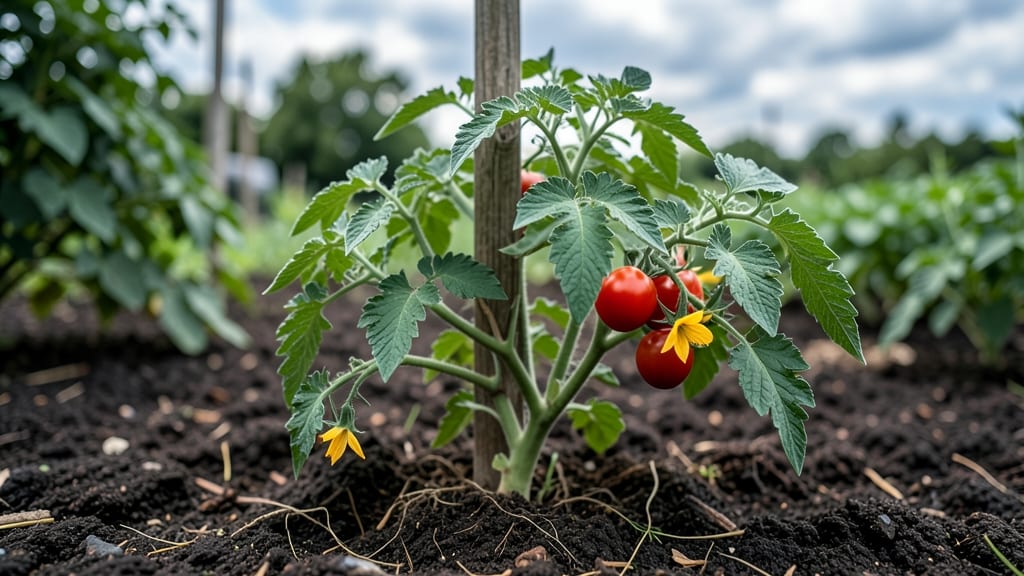
Choosing the better bush tomato—determinate or indeterminate—can completely transform your garden’s layout and productivity. 🌱 I spent years growing both types, and the difference in space, care, and harvest timing is night-and-day—once you know the secrets, you’ll never go back to guessing.
Determinate varieties stop growing at a set height (usually 3-5 feet), producing a single massive harvest all at once. They’re perfect for containers, small spaces, or when you want quick, heavy yields—think slicing tomatoes for canning.
Indeterminate types keep growing until frost, climbing 6-10 feet or more with continuous fruit production, ideal for trellises and long-season gardens.
Here’s the trade-off: determinate tomatoes need less staking but demand more attention at harvest time, while indeterminate types require strong support but reward you with weeks of fresh tomatoes. The flavor? Both can be outstanding—it’s all about variety selection and care.
Your garden’s size, climate, and goals will decide which wins. Need a small-space solution? Determinate. Want summer-long snacks? Indeterminate. Let’s break down how to pick—and grow—the best for your space.
The first product explained
If you're looking for a high-yielding, space-efficient tomato that delivers flavor-packed harvests without the fuss of sprawling vines, Product A: 'Tiny Tim' Bush Tomato Seeds is your perfect match! 🌱🍅 This compact, determinate variety is a favorite among home gardeners and urban farmers for its reliability and ease of care.
📏 Specs & Features
- Type: Determinate (bush) – Compact growth (2–3 ft tall), ideal for containers, small gardens, or tight spaces.
- Days to Maturity: 60–70 days – Quick harvests for impatient gardeners!
- Fruit Size: Small to medium (1–2 inches in diameter), sweet, and perfect for snacking, salads, or sauces.
- Yield: Prolific producer with clusters of 6–10 tomatoes per vine.
- Disease Resistance: Tolerates common issues like early blight and fusarium wilt, making it low-maintenance.
- Growth Habit: Bushy, self-supporting—no staking or pruning required!
🎯 Target Users
'Tiny Tim' is tailor-made for:
- 🏡 Urban gardeners with balconies, patios, or small yards.
- 🌿 Beginner growers who want hassle-free tomatoes.
- 📦 Container enthusiasts (thrives in 5-gallon pots or larger).
- 🍽️ Home cooks who love fresh, vine-ripened tomatoes for salsas, bruschetta, or sandwiches.
💰 Price Point & Value
Priced at $3.99 for a packet of 25 seeds, 'Tiny Tim' offers exceptional value with:
- 🌱 Non-GMO, heirloom-quality seeds for organic gardening.
- 🔄 Longevity—one packet can yield multiple harvests over a season.
- 💡 Cost-effective space utilization—no wasted room on sprawling vines.
Pro Tip: 💡 Pair with 'Sungold' cherry tomatoes for a dual-container harvest—sweet and tangy flavors in one small setup!
The second product explained
If you're looking for a low-maintenance, high-yielding bush tomato that thrives in tight spaces, Product B – the 'Tiny Tim' Bush Tomato – is a game-changer for urban gardeners and small-space enthusiasts! 🌱🍅 This determinate variety is designed to stay compact (typically 2–3 feet tall) while delivering a bumper crop of sweet, golden-orange tomatoes.
Whether you're growing in containers, raised beds, or even hanging baskets, this variety keeps things tidy and productive.
Key Specs & Features
- Type: Determinate (bush variety)
- Height: 2–3 feet (perfect for small gardens!)
- Fruit Size: 1–2 inches in diameter (ideal for snacking or salads)
- Flavor Profile: Sweet, tangy, and slightly smoky (a fan favorite!)
- Days to Maturity: 65–75 days (fast harvest for impatient gardeners!)
- Disease Resistance: Moderate resistance to common issues like early blight and fusarium wilt
- Pollination: Self-pollinating (no bees needed—great for indoor growers!)
Who’s It For?
This tomato is a dream for:
- 🏡 Urban gardeners with limited space
- 🌿 Container growers (thrives in 5-gallon pots or larger)
- 👩🍳 Home cooks who love fresh, flavorful tomatoes for salsas, sauces, or eating straight off the vine
- 🌍 Eco-conscious gardeners (drought-tolerant once established)
Price Point & Availability
Priced at $3.99 per seed packet (or $12.99 for a 3-packet bundle), Tiny Tim offers serious value for its productivity and ease of care. You’ll find it at:
- 🌱 Local nurseries and garden centers
- 🛒 Online retailers like Burpee, Seeds of Change, or Amazon
- 💬 Seed swap groups (check Facebook or local gardening clubs!)
Pro Tip: 💡 For even better yields, pair Tiny Tim with a balanced fertilizer (like 10-10-10) every 3–4 weeks once flowers appear. Happy growing!
Head-to-head comparison
Choosing between determinate and indeterminate bush tomatoes isn’t just about vine height—it’s about matching your gardening goals, space, and lifestyle. Below, we break down the key differences in a side-by-side comparison to help you decide which type fits your garden like a glove. 🌱✨
🌿 Performance: Yield & Productivity
When it comes to how much you’ll harvest, both types deliver—but in different ways.
- Determinate: These tomatoes are the marathon runners of the garden. They produce a heavy crop all at once (usually over 2–3 weeks), making them ideal for canning, sauces, or selling at farmers' markets. Think of them as the all-in-one powerhouses for bulk harvests. 🍅📦
- Indeterminate: The slow-and-steady winners! These vines keep producing throughout the growing season (until frost), giving you a continuous supply of tomatoes for fresh eating or snacking. Perfect if you love the thrill of picking ripe tomatoes all summer long. 🍅🍅🍅
Winner? Depends on your needs: Determinate for volume, indeterminate for consistency.
📏 Features: Growth Habit & Space Needs
If space is your biggest constraint, this is where the two types really diverge.
| Factor | Determinate | Indeterminate |
|---|---|---|
| Vine Height | Compact (3–5 ft tall). Stays bushy but contained. | Tall (6–12+ ft tall). Needs support (cages, trellises, stakes). |
| Spread | Moderate (2–3 ft wide). Good for small gardens or containers. | Wide-reaching (3–5 ft wide). Can sprawl aggressively if unsupported. |
| Pruning Needs | Minimal! Just remove suckers (shoots between stem and branches) occasionally. | High-maintenance. Requires regular pruning to manage growth and airflow. |
| Fruit Ripening | All fruits ripen simultaneously (great for canning). | Fruits ripen gradually over weeks/months. |
Pro Tip: 💡 If you’re short on space, determinate tomatoes are your best bet. But if you have vertical room (or a trellis!) and love a climbing adventure, indeterminate vines will reward you with endless harvests.
💰 Price & Accessibility
Your wallet might not feel the difference at the seed store, but long-term costs vary.
- Determinate:
- Generally cheaper to grow (less space = fewer plants needed for the same yield).
- Lower material costs (no need for tall cages or heavy-duty trellises).
- Great for beginners or those on a budget!
- Indeterminate:
- May require higher upfront costs for sturdy supports (e.g., wooden stakes, tomato towers).
- More labor-intensive = potential for higher ongoing costs (pruning, watering, etc.).
- But! The long-term payoff (continuous harvests) can make it worth it for serious gardeners. 🌟
Budget Hack: 🔥 Start with a mix of both! Use determinate varieties for canning projects and indeterminate for fresh eating.
🏋️ Durability & Longevity
How well each type holds up to Mother Nature’s whims makes a big difference.
- Determinate:
- Hardier in harsh conditions (heat, drought, or wind). Their compact size makes them less prone to breaking.
- Shorter growing season = faster maturity (great for cooler climates).
- Less susceptible to disease spread because of their dense, bushy structure.
- Indeterminate:
- More vulnerable to wind, heavy rain, or weak supports (those long vines can snap easily!).
- Longer growing season = greater exposure to pests/diseases (e.g., blight, aphids).
- Requires more care to keep them thriving (e.g., regular watering, pruning).
Resilience Tip: 🌡️ If you live in an area with unpredictable weather, determinate tomatoes are the safer bet. For indeterminate varieties, invest in strong supports and monitor for pests closely.
🍽️ Flavor & Culinary Uses
Last but not least—how they taste and what you’ll use them for!
- Determinate:
- Often sweeter and meatier (ideal for sauces, salsas, and roasting).
- Great for heirloom varieties like ‘Roma’ or ‘San Marzano’ (classic canning tomatoes).
- Best for batch cooking (think: jarred sauces, soups, or freezing).
- Indeterminate:
- Tend to be juicier and more flavorful (perfect for slicing salads or eating fresh).
- Popular for heirloom types like ‘Brandywine’ or ‘Cherokee Purple’ (bursting with flavor!).
- Ideal for gourmet dishes where you want peak ripeness (e.g., caprese salad, bruschetta).
Flavor Flex: ✨ Want the best of both worlds? Try growing one determinate variety for cooking and one indeterminate for fresh eating!
Which one should you choose?
So, which bush tomato variety—determinate or indeterminate—should you plant in your garden? The answer depends on your goals, space, and gardening style! Here’s a clear breakdown to help you decide:
🌱 Choose Determinate Bush Tomatoes If:
- 📏 You have limited space: Determinate varieties stay compact (3–5 ft tall), making them perfect for containers, small gardens, or urban balconies.
- 🍅 You want a quick harvest: They produce fruit all at once (over 2–3 weeks), ideal for canning, sauces, or fresh eating in bulk.
- 🌡️ You live in a cooler climate: Their shorter vines handle frost better and ripen faster than indeterminate types.
- 💡 Pro Tip: Stake or cage them early to support heavy fruit loads and improve airflow.
🌿 Choose Indeterminate Bush Tomatoes If:
- 🏡 You have vertical space (trellises, fences, or tall cages): These vines grow indefinitely (6–10+ ft!) and thrive when trained upward.
- 🍅 You prefer a prolonged harvest: They produce fruit continuously until frost, giving you tomatoes from summer to fall.
- 🌞 You’re in a warm, long-growing season: Indeterminate types excel in heat and yield more over time.
- 🎯 Pro Tip: Prune suckers regularly to focus energy on fruit production and prevent disease.
🤝 Hybrid Solution?
If you’re torn, consider semi-determinate varieties (a middle ground!) or mix both types in your garden. For example:
Scenario
Recommendation
Small urban garden
Determinate (e.g., 'Tiny Tim' or 'Patio Princess')
Large backyard with trellis
Indeterminate (e.g., 'Solar Fire' or 'Black Krim')
First-time gardener
Determinate (easier to manage)
Year-round harvest
Indeterminate (plant succession crops)
💡 Final Thought: There’s no "wrong" choice—just the one that fits your space and lifestyle! Experiment with both to see what thrives in your garden. Happy planting! 🌱🍅