
How To
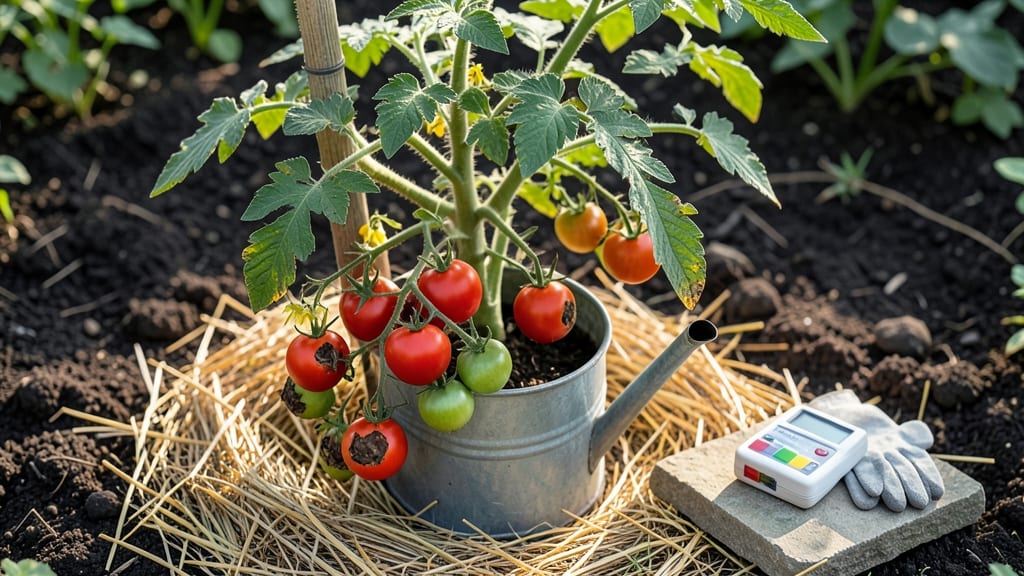
How to prevent tomato bottom rot turns your perfect tomatoes into shriveled, leathery messes—and it’s more preventable than you think. 🌱 The dark, sunken spots at the fruit’s blossom end aren’t just ugly; they’re a sign your tomatoes are struggling with calcium imbalance or fungal pressure. But here’s the good news: fixing it starts with three simple adjustments that work whether you’re growing in the ground or containers.
The real culprits? Overwatering, poor soil drainage, and soilborne fungi like Phytophthora or Fusarium. I’ve seen gardeners lose entire harvests because they assumed bottom rot was just a "tomato thing"—until they adjusted their watering, added mulch, and rotated crops.
The key is keeping roots happy: consistent moisture (not soggy soil), raised beds or containers for better drainage, and a thick layer of mulch to protect against fungal splash.
By the time you’re harvesting, your tomatoes will be firm, plump, and free of those ugly scars. The secret’s in the soil: amend with compost, use drip irrigation to avoid wetting leaves, and pick disease-resistant varieties like ‘Mountain Merit’ or ‘Defiant PhR.’
These tweaks don’t just stop rot—they boost flavor and yield too.
Works for backyard gardens, raised beds, or even patio containers. The same principles apply whether you’re dealing with a first-year outbreak or just want to prevent it entirely. Let’s get those tomatoes thriving!
Root Causes Of Tomato Rot
Tomato bottom rot—also known as blossom-end rot—is a frustrating but preventable issue that turns your prized tomatoes into mushy, discolored disappointments. 🍅💔 The problem stems from a mix of environmental and physiological factors, often tied to how your plants absorb and manage essential nutrients.
Let’s break down the real culprits behind this common garden woe.
Your tomato plants need calcium to build strong cell walls, especially in the blossom end (the opposite side of the stem). When calcium levels drop—even if other nutrients are plentiful—cells weaken, leading to rot. Here’s why it happens:
- Poor Soil Calcium: Sandy, acidic, or nutrient-poor soils leach calcium faster than plants can uptake it. Test your soil’s pH—ideal levels for tomatoes are 6.0–6.8. Below 6.0, calcium becomes locked away.
- Uneven Watering: Fluctuating moisture levels (dry spells followed by heavy watering) disrupt calcium absorption. Roots struggle to deliver calcium to growing fruit during critical bloom-to-set stages.
- Competition for Nutrients: Over-fertilizing with nitrogen-heavy fertilizers (like fresh manure or high-N formulas) can starve roots of calcium while fueling leafy growth.
💡 Pro Tip: Calcium isn’t just about adding more—it’s about balance. Pair calcium supplements (like crushed eggshells or gypsum) with magnesium and potassium to improve uptake.
Tomatoes are 95% water when ripe, and their cells rely on steady hydration to transport calcium. Water stress—whether from drought or overwatering—throws a wrench into this system:
| Issue | How It Triggers Rot |
|---|---|
| Inconsistent Watering | Dry soil forces roots to prioritize survival over fruit development. When you finally water, calcium rushes to roots instead of fruit. |
| Overwatering | Waterlogged soil drowns roots, cutting off oxygen and calcium uptake. Root hairs (which absorb nutrients) die off, leaving fruit starved. |
| Salty or Hard Water | High sodium/magnesium in water blocks calcium absorption. If your tap water leaves white crust, it’s a red flag. |
🌡️ Key Insight: Tomatoes need 1–1.5 inches of water per week, delivered deeply and consistently. Drip irrigation or soaker hoses beat overhead sprinklers—never let soil dry out completely between waterings.
Tomatoes are heat-loving plants, but extreme temperatures—whether scorching heat or chilly nights—mess with calcium metabolism:
- Heat Stress (>90°F): High temps accelerate transpiration (water loss), but roots can’t keep up with calcium delivery. Fruit expands faster than cells can strengthen.
- Cold Snaps (<50°F): Cold soil slows root activity, halting calcium transport. Young fruit (like blossom ends) rot first because they’re calcium’s last priority.
- Frost Damage: Even light frost can kill root tips, reducing the plant’s ability to absorb calcium for weeks.
✨ Solution: Use mulch (straw or grass clippings) to regulate soil temp. In hot climates, shade cloth or afternoon shade can prevent stress. For cold snaps, row covers protect young plants.
Healthy roots are your tomato’s calcium delivery system. Anything that injures them—even slightly—can lead to rot:
- Transplant Shock: Disturbed roots (from moving seedlings) take 2–3 weeks to regrow. During this time, calcium uptake plummets.
- Compaction or Weeds: Roots in hard, crowded soil can’t spread or absorb nutrients efficiently. Weeds compete for water and calcium.
- Pests (Cutworms, Nematodes): These critters chew roots, reducing the plant’s ability to uptake calcium. Look for yellowing leaves or wilting—signs of root stress.
🔥 Fix It: Gently loosen soil around roots at planting. Avoid over-tilling (it damages root hairs). Use organic mulch to protect roots from temperature swings and pests.
Fixing Bottom Rot in Tomatoes
Now that you know the root causes of tomato bottom rot, let’s turn things around with practical, step-by-step solutions. Whether your plants are already showing signs of rot or you’re prepping to prevent it, these fixes will help you save your harvest—and your sanity! 🌱🍅
If your tomatoes are sitting in soggy soil, they’re begging for bottom rot. Here’s how to dry things out and keep roots happy:
- 👨🍳 Adjust Your Watering Routine Water deeply but infrequently—aim for 1–1.5 inches per week, including rainfall. Use a soaker hose or drip irrigation to deliver water at the base (not the leaves) and avoid wetting the blossom end.
Morning watering is best—it gives foliage time to dry before nightfall.
- 🏗️ Improve Soil Drainage If your garden soil is heavy clay, mix in compost, perlite, or coarse sand (1 part amendment to 3 parts soil) to loosen it up. For container growers, ensure pots have drainage holes and use a well-draining potting mix (avoid cheap, peat-heavy blends).
- ⏰ Space Out Waterings Let the top 1–2 inches of soil dry out between waterings. Stick your finger in the dirt—if it’s damp, wait. Overwatering is the #1 enemy of healthy tomatoes!
Calcium deficiency is a sneaky culprit, but luckily, it’s easy to correct with these tricks:
- 💡 Boost Calcium Naturally - Crushed eggshells: Rinse and dry eggshells, crush into a fine powder, and sprinkle 1–2 tablespoons per plant around the base.
Water it in. (Pro tip: 🌡️ Bake shells at 200°F for 10 mins to kill bacteria before crushing!) - Calcium-rich amendments: Work gypsum (calcium sulfate) or bone meal into the soil before planting.
Follow package rates—too much can cause other issues! - Foliar spray: Mix 1 tablespoon of calcium chloride or liquid calcium supplement in a gallon of water and spray leaves every 2 weeks during fruiting.
- 🎯 Monitor Soil pH Tomatoes thrive in slightly acidic to neutral soil (pH 6.0–6.8). Test your soil with a home kit or send a sample to your local extension office. If pH is below 6.0, add lime to raise it gradually.
Stressed plants are weak plants. Give your tomatoes the perfect environment to fight off rot:
- 🍳 Mulch Like a Pro Spread 2–3 inches of organic mulch (straw, grass clippings, or shredded leaves) around plants to:
- Keep soil consistently moist (reducing fluctuations).
- Prevent splashing soil onto fruit (a rot spreader!).
- Regulate soil temperature (cool roots = less stress).
- 🌤️ Shield from Extreme Heat Bottom rot loves hot, dry conditions. If temps soar above 90°F (32°C), provide shade cloth (30–50%) during peak afternoon sun. Drip irrigation can also cool leaves slightly.
- 🔪 Prune for Airflow Overcrowded plants trap moisture and invite disease. Prune suckers (the shoots in the leaf axils) and remove lower leaves touching the soil. This improves airflow and keeps fruit dry.
If you spot rot on existing fruit, act fast to limit damage:
- 🔪 Snip Off Affected Fruit Remove any tomatoes showing rot immediately—don’t wait! Cut them off with sterilized scissors (wipe with rubbing alcohol between plants) to avoid spreading spores.
- 💦 Flush Soil with Water If rot is widespread, deep-water the plant to leach out excess salts or minerals that may be blocking calcium uptake. Follow up with a calcium supplement (like eggshell tea—steep crushed shells in water for 24 hours and use as a foliar spray).
- 🌱 Isolate Problem Plants If one plant is severely infected, quarantine it from others until it’s clear. Move it to a shaded spot and monitor for new growth.
Once you’ve treated the rot, lock in these habits to keep your tomatoes rot-free next season:
- 📊 Start with Healthy Soil: Test soil before planting and amend with compost + calcium.
- 🌱 Choose Resistant Varieties: Try ‘Mountain Merit,’ ‘Celebrity,’ or ‘Solar Fire’—they’re bred for disease resistance.
- 🌱 Succession Plant: Stagger plantings every 2 weeks to avoid overloading the soil with hungry plants.
- 🌱 Rotate Crops: Never plant tomatoes (or peppers/eggplants) in the same spot two years in a row—this breaks disease cycles.
Remember: Bottom rot is a fixable problem, not a death sentence! With consistent watering, calcium care, and smart gardening, your tomatoes will be plump, red, and rot-free in no time. 🍅✨ Now go save that harvest!
Frequently asked questions
Why do my tomatoes get rotten spots even when I water them regularly?
Inconsistent moisture causes calcium uptake problems—even with regular watering! The issue happens when soil dries out between waterings, then gets soaked suddenly. Use drip irrigation to deliver 1–1.5 inches of water weekly at soil level, never overhead. Mulch helps maintain steady moisture.
Can I save tomatoes that already have bottom rot?
Unfortunately, rotten tomatoes won't recover, but you can salvage the plant! Remove affected fruit immediately with clean scissors. Focus on preventing new cases by improving drainage, adding calcium (like crushed eggshells), and adjusting watering habits. The plant can still produce healthy tomatoes.
Is bottom rot the same as blossom-end rot?
Yes—tomato bottom rot and blossom-end rot are the same condition! The dark, sunken spots appear at the blossom end (opposite the stem) due to calcium deficiency or fungal pressure. While calcium issues cause most cases, fungal versions (like Phytophthora) require different solutions like improved drainage and mulching.
How often should I add calcium supplements to my tomato plants?
Start with a soil test to check calcium levels, then apply supplements every 4–6 weeks during growing season. Use crushed eggshells (1–2 tablespoons per plant) or gypsum mixed into soil. For quick fixes, foliar sprays with calcium chloride every 2 weeks help during fruiting stages.
Will container-grown tomatoes get bottom rot too?
Absolutely—containers actually increase risk if not managed properly! Use pots with drainage holes and well-draining mix. Water consistently (let top 1–2 inches dry between waterings) and add calcium supplements. Smaller containers dry out faster, so monitor soil moisture closely and consider self-watering systems.