
Propagation
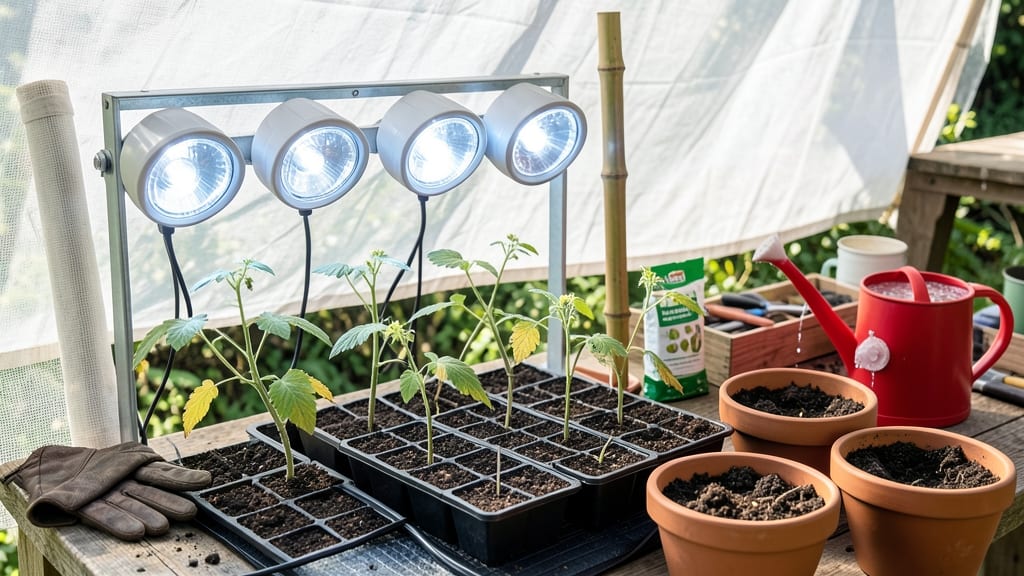
How to keep tomato seedlings from getting leggy—it’s a beginner’s nightmare, but it doesn’t have to be. 🌱 After wasting three seasons on spindly, weak plants that flopped at transplanting, I finally cracked the code: it’s all about light, spacing, and timing. These lightweight tricks will give you stocky, sturdy seedlings that handle transplanting like pros.
The real culprit? Too little light or too much crowding. Seedlings stretch toward any light source, and when they don’t get enough, they grow tall and weak. Overcrowding also starves them for nutrients, making them desperate for sunlight.
The fix is simple: move them under bright grow lights (12–16 hours a day) or to the sunniest window, and thin them so they’re 2–3 inches apart. No fancy equipment needed—just a little attention.
For existing leggy seedlings, don’t panic. Bury them deeper when transplanting (up to the first true leaves) to encourage new root growth, and stake them if they’re wobbly.
Within 2–3 weeks, they’ll bulk up and catch up to healthy seedlings. The key is acting fast—once they’re too tall, they’ll never recover.
Next season, start seeds 4–6 weeks before your last frost (not earlier) and use reflective surfaces under trays to maximize light. These small tweaks make all the difference—no more flopping plants at transplant time!
The Root Causes of Leggy Seedlings
Leggy tomato seedlings—those tall, spindly stems with sparse leaves—aren’t just a cosmetic issue. They’re a cry for help from your plants, signaling that their basic needs aren’t being met.
Understanding why this happens is the first step to fixing it. Below, we break down the science behind legginess and how each factor disrupts your seedlings’ growth.
Light is the fuel for photosynthesis, the process that turns sunlight, water, and CO₂ into energy for your seedlings. When light is scarce, seedlings stretch toward any available source—a phenomenon called etiolation. This causes:
- Elongated stems: Cells in the stem grow faster than leaves to reach light, creating that classic "reaching" look.
- Weak cell walls: Low light reduces lignin production, making stems brittle and prone to snapping.
- Pale, sparse leaves: Chlorophyll production drops, leaving leaves yellowish and undersized.
Why it’s worse indoors: Grow lights (even full-spectrum LEDs) can’t replicate sunlight’s intensity. A common mistake? Placing seedlings too far from the light source—6–12 inches away is ideal, but many growers exceed this by accident.
Tomato seedlings thrive in 65–75°F (18–24°C) during the day and slightly cooler nights. But when temperatures dip or spike, their growth patterns go haywire:
- Cold stress: Below 55°F (13°C), seedlings slow photosynthesis and prioritize stem elongation to escape chilly soil. This creates weak, rubbery stems.
- Heat stress: Above 85°F (29°C), seedlings can’t absorb enough water, leading to wilting and rapid, uncontrolled stretching.
- Uneven heating: Drafts (like near AC vents) or radiators can create "hot spots," causing seedlings to lean toward warmth.
Pro tip: Use a seedling heat mat (70–75°F) for consistent warmth, but monitor closely—never exceed 80°F (27°C).
Seedlings aren’t just competing for light—they’re battling for nutrients, water, and space. Overcrowding triggers:
- Stunted root growth: Roots become tangled, limiting water and nutrient uptake. Without enough resources, seedlings focus energy on vertical growth to access light.
- Fungal risks: Poor airflow from dense planting encourages damping-off disease, which weakens stems further.
- Nutrient depletion: A small pot or tray depletes soil nutrients faster, forcing seedlings to stretch for any available energy source.
Rule of thumb: Thin seedlings to 2–3 inches apart once they have 2–3 true leaves. If using trays, ensure each seedling has its own 2–3 inch diameter of space.
Leggy seedlings often mirror nutrient deficiencies, particularly:
| Nutrient | Symptoms | Why It Causes Legginess |
|---|---|---|
| Nitrogen (N) | Pale yellow leaves, slow growth | Nitrogen fuels leaf production. Without it, seedlings prioritize stem growth to "search" for resources. |
| Phosphorus (P) | Dark green leaves, purple stems | Phosphorus supports root and cell division. A deficiency stunts roots, forcing stems to elongate for light. |
| Potassium (K) | Weak stems, yellow leaf edges | Potassium strengthens cell walls. Low levels lead to floppy, weak stems that can’t support their own weight. |
Soil check: Use a pH test kit—tomatoes prefer 6.0–6.8 pH. Below 5.5 or above 7.5 locks out nutrients, mimicking a deficiency.
Now that you know the why, the fix is simpler: address the root cause (literally!). The next steps will show you how to reverse legginess and grow stocky, resilient tomato seedlings ready for transplanting.
Fix Leggy Seedlings Fast
Now that you know why your tomato seedlings stretch like overenthusiastic ballerinas 🩰, let’s roll up our sleeves and get them back on track. The good news? Most fixes are simple, cheap, and require minimal effort—just a few tweaks to light, space, and care.
Below, we’ve matched common causes to practical solutions, plus pro tips to keep your seedlings strong from the start.
Fix: Move seedlings to a sunnier spot or supplement with grow lights.
- For natural light: Place them 12–18 inches from a south-facing window (or the brightest spot in your home). Rotate trays daily so they don’t lean toward one side.
- For artificial light: Use a full-spectrum LED grow light 2–4 inches above seedlings for 14–16 hours/day. Hang it on a chain or use a clamp lamp for easy adjustments.
- DIY hack: If you’re short on lights, prop up seedlings with popsicle sticks or toothpicks to angle them toward the window. This gives stems a chance to thicken before they flop.
Prevention tip: 💡 Start seeds indoors 4–6 weeks before your last frost date—this gives them enough time to grow sturdy without rushing for light.
Fix: Give seedlings more breathing room or transplant them.
- Thin seedlings: Snip (don’t pull!) the weakest stems at soil level, leaving only the healthiest 2–3 per pot. This reduces competition for nutrients.
- Upgrade pots: If seedlings are root-bound (circling the bottom of the pot), transplant them into slightly larger containers (3–4 inches wide) with fresh potting mix. Gently tease out tangled roots to encourage outward growth.
- Buried stems: If lower stems are buried too deep, expose 1–2 inches of stem to prevent weak stems. Use your finger to create a small trench and press soil lightly around it.
Prevention tip: 🌡️ Use seedling trays with cells at least 2–3 inches deep and space them 1–2 inches apart to avoid overcrowding.
Fix: Keep temps consistent and cool (but not cold).
- Ideal range: 65–75°F (18–24°C) during the day, slightly cooler at night. Avoid placing trays near heaters, vents, or drafty windows.
- Bottom heat: If your seedlings are etiolated (super stretchy), a seedling heat mat (set to 70–75°F) can help—but only for the first 1–2 weeks. Overheating later stages causes legginess too!
- Ventilation: Use a small fan on low speed near seedlings (but not blowing directly on them) to strengthen stems and prevent mold.
Pro tip: ✨ Mist seedlings with water in the morning to cool them down naturally—just avoid soggy soil!
Fix: Hold off on fertilizer and focus on balanced care.
- Skip fertilizer until seedlings have 2–3 true leaves (about 2–3 weeks old). Over-feeding encourages leafy growth over sturdy stems.
- Use a weak solution: Once you start fertilizing, mix half-strength liquid tomato fertilizer (or compost tea) every 2–3 weeks. Look for a low-nitrogen, high-phosphorus blend (e.g., 5-10-10) to promote root and stem growth.
- Epsom salt boost: Add 1 tsp Epsom salt per gallon of water once a month to increase magnesium, which strengthens cell walls.
Prevention tip: 💪 Start with a light, fluffy potting mix (50% peat/coir + 50% perlite/vermiculite) to avoid compacted soil that stunts roots.
Fix: If seedlings are already leggy and you’re prepping to move them outside:
- Acclimate slowly: Start by placing trays in partial shade for 1–2 hours/day, increasing time over 7–10 days. Avoid full sun until they’re hardened off.
- Bury deeper: When transplanting, cover ⅔ of the stem with soil—this encourages new root growth along the buried portion, creating a stockier plant.
- Shade cloth: Use 30–50% shade cloth for the first week outdoors to reduce stress.
Pro tip: ⏰ Transplant on a cloudy day or late afternoon to minimize shock.
If your seedlings are severely leggy but still alive, you can prune and regrow: 1. Cut back the top ⅓ of the leggy stem just above a leaf node.
- Root the cutting in water or moist perlite until it sprouts new roots (1–2 weeks).
- Transplant the pruned seedling deeper into fresh soil—it’ll often regrow into a bushier plant!
Keep these 5 habits in mind to avoid leggy seedlings: ✅ Light first: Prioritize bright light over everything else. ✅ Right-sized pots: Use smaller pots (2–3 inches) to encourage root growth before transplanting. ✅ Cool temps: Keep seedlings in a consistent 65–75°F range. ✅ Wait to fertilize: Hold off until 2–3 true leaves appear. ✅ Rotate daily: Turn trays quarter-turns every day for even growth.
Remember: Leggy seedlings aren’t a death sentence—they just need a little TLC and light tweaks to bounce back. With these fixes, your tomatoes will be stocky, strong, and ready to thrive in the garden! 🍅💪
Frequently asked questions about tomato seedling care
How close should seedlings be to grow lights?
Maintain 2–4 inches between seedlings and grow lights to prevent legginess. Move the light closer if stems stretch toward it, but avoid touching leaves to prevent heat stress. For LED grow lights, 14–16 hours/day of light mimics natural sunlight best.
Can I save severely leggy tomato seedlings?
Yes! Cut back the top ⅓ of the leggy stem just above a leaf node, then root the cutting in water or moist perlite. The remaining seedling will often regrow bushier. Bury the base deeper when transplanting to encourage new root growth along the buried stem.
Why do my seedlings get leggy even with plenty of light?
Overcrowding or nutrient deficiencies (like phosphorus or potassium) can cause legginess even with good light. Thin seedlings to 2–3 inches apart and test soil pH—tomatoes prefer 6.0–6.8. A weak Epsom salt solution (1 tsp per gallon) can boost magnesium for stronger stems.
What’s the best way to harden off leggy seedlings?
Start by placing seedlings in partial shade for 1–2 hours/day, increasing time over 7–10 days. Bury ⅔ of the stem when transplanting to encourage new roots. Use 30–50% shade cloth the first week outdoors to reduce stress.
How often should I rotate tomato seedlings?
Rotate trays quarter-turns every day to ensure even light exposure and prevent leaning. This simple habit helps seedlings grow straight and stocky. Avoid moving them too frequently—just a gentle daily rotation keeps them balanced.