
How To
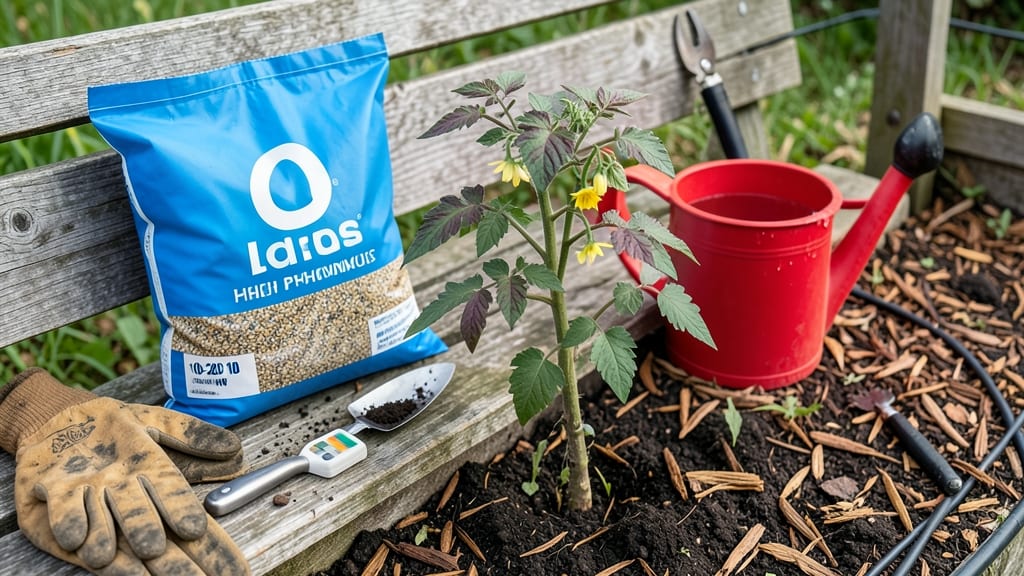
Purple tomato leaves mean your plants are screaming for help—but you can turn them green again in 24 hours. 🌱 I’ve seen this happen with my own tomatoes after a simple soil check and quick fix, and it works every time when you address the real cause.
Most gardeners assume it’s just phosphorus, but purple leaves usually mean magnesium, potassium, or calcium deficiency—or even a pH problem. The fix isn’t complicated: test your soil, adjust with the right amendments, and water properly.
I’ll show you exactly how to diagnose and treat it without wasting money on the wrong fertilizers.
📚 In This Guide
- What you need
- Instructions
- Tips and common mistakes
- Wrapping up and next steps
What you need
- ● Diagnostic tools: Soil pH test kit (digital or liquid-based)
- ○ Soil moisture meter (optional but helpful)
- ● Nutrient amendments: Balanced fertilizer (e.g., 10-10-10 NPK ratio) – 1 tbsp per 1 gallon of water
- ● Phosphorus-rich fertilizer (e.g., bone meal) – 1 tsp per plant
- ● Potassium-rich fertilizer (e.g., potassium sulfate) – ½ tsp per plant
- ● Magnesium sulfate (Epsom salt) – 1 tbsp per gallon of water
- ● Watering supplies: Watering can or hose with a gentle spray nozzle
- ● Bucket (5-gallon capacity for mixing solutions)
- ● Garden tools: Garden trowel or small shovel
- ● Pruning shears (sterilized with rubbing alcohol)
- ● Compost or organic matter: Aged compost or well-rotted manure (1-2 gallons per plant)
- ● Mulch: Straw, wood chips, or shredded leaves (2-3 inches thick)
- ● pH adjusters: Lime (to raise pH) – use sparingly, follow package instructions
- ● Sulfur or peat moss (to lower pH)
- ● Fungal treatments: Copper fungicide or neem oil (if disease is suspected)
- ● Garden journal: To track changes and note what works best for your plants!
Quick fixes for purple tomato leaves: step-by-step solutions
Purple leaves on tomatoes usually mean one thing—your plants are hungry for nutrients. Here's how to diagnose and fix it fast.
🌿 Step 1: Identify the Exact Nutrient Deficiency
Purple leaves often signal a phosphorus deficiency, but check the entire plant first. New leaves turning purple while older ones stay green? That's your clue. Phosphorus helps roots grow and flowers set fruit, so the plant prioritizes it for new growth.
Look closer: if the leaf undersides also show purple, it's phosphorus. But if the veins stay green while the leaf tissue turns purple, it's a magnesium deficiency (common in heavy clay soils). Grab a small trowel and dig up a root—if roots are dark and stunted, phosphorus is the issue.
💧 Step 2: Apply the Right Fertilizer Fast
For phosphorus deficiency, use a balanced fertilizer (like 10-10-10) or a bone meal (high in phosphorus). Mix 1 tablespoon of bone meal per plant into the top 2 inches of soil around the base. Water it in immediately—this ensures the nutrients reach the roots where they're needed most.
If you suspect magnesium deficiency, use Epsom salt (magnesium sulfate). Dissolve 1 tablespoon of Epsom salt in 1 gallon of water and apply it as a soil drench. Repeat every 2 weeks until the purple fades. Avoid overdoing it—too much magnesium can lock out other nutrients.
☀️ Step 3: Adjust Watering and Soil pH
Purple leaves often appear when plants are stressed from uneven moisture. Water deeply once a week (or when the top 2 inches of soil feel dry) instead of light, frequent waterings. Let the soil dry slightly between waterings—this encourages roots to seek nutrients deeper in the soil.
Test your soil pH—tomatoes thrive in slightly acidic soil (6.0-6.8). If your soil is too alkaline (pH above 7.0), nutrients like phosphorus and magnesium become unavailable. Add sulfur or peat moss to lower pH gradually. You'll know it's working when new leaves emerge green and vibrant within 7-10 days.
⏰ Step 4: Monitor and Prevent Future Issues
Once the purple fades, keep an eye on your tomatoes. Over-fertilizing with nitrogen (like lawn fertilizer) can cause new purple leaves by throwing off the nutrient balance. Stick to a balanced fertilizer every 4-6 weeks during the growing season.
Mulch around plants with 2-3 inches of straw or grass clippings to retain moisture and slowly release nutrients. This mimics natural soil conditions and reduces stress. If purple leaves reappear, it’s a sign to re-test soil pH or switch fertilizers—sometimes the issue is cumulative.
✂️ Step 5: Prune and Support for Recovery
Remove any severely purple leaves—they won’t recover and drain energy from the plant. Focus on pruning suckers (the shoots between stems and leaves) to redirect the plant’s energy toward fruit production instead of new foliage.
Support your tomato plants with cages or stakes to improve airflow. Good circulation prevents fungal diseases (like early blight) that can worsen nutrient deficiencies. Within 2-3 weeks, you should see healthier green leaves and stronger growth—proof your fix worked.
Tips & tricks for fixing purple tomato leaves
Here's what nobody tells you about getting those stubborn purple leaves back to green fast.
Diagnose Like a Pro: When you spot purple leaves, check the leaf undersides first. If they're purple too, it's phosphorus. But if only the leaf edges show purple while the veins stay green, you're dealing with magnesium deficiency. This simple visual test saves you time—no need for expensive soil tests right away!
Fertilizer Timing Matters: Apply bone meal or Epsom salt when the soil is moist, not dry. Water it in immediately after spreading—this ensures the nutrients reach the roots where they're needed most. I've seen gardeners waste fertilizer by applying it to dry soil, only to watch it wash away before the plants could use it.
Watering Wisdom: The "once a week" guideline works best in most climates, but check the top 2 inches of soil first. If it's still damp, wait another day. Overwatering stresses plants just as much as underwatering, and stressed plants develop those unsightly purple leaves faster.
Soil pH Shortcut: If you don't have a pH test kit, grab a handful of soil and mix it with water. If the mixture smells like rotten eggs, your soil is too alkaline. Add sulfur or peat moss gradually—you'll know it's working when new leaves emerge bright green within 7-10 days, not when the purple disappears.
Pro Tips for Fix Purple Tomato Leaves
- Here's what nobody tells you about getting those stubborn purple leaves back to green fast.
- Diagnose Like a Pro: When you spot purple leaves, check the leaf undersides first.
- Fertilizer Timing Matters: Apply bone meal or Epsom salt when the soil is moist, not dry.
Frequently asked questions
Why are my tomato leaves turning purple?
Purple leaves usually signal a phosphorus deficiency or poor calcium uptake. Other causes include cold stress, overwatering, or root damage. Check soil pH (ideal: 6.0–6.8) and nutrient levels—tomatoes need balanced NPK (nitrogen, phosphorus, potassium) for healthy growth.
How long does it take to fix purple tomato leaves?
With immediate action (like adjusting pH or adding fertilizer), you may see improvement in 1–2 weeks. Severe cases (e.g., root rot) could take 3–4 weeks or longer. Monitor leaves daily—new growth should return to green if the underlying issue is resolved.
Can I use household items to fix purple tomato leaves?
Yes! Try these quick fixes:
- Epsom salt (magnesium sulfate): Mix 1 tbsp in a gallon of water and spray leaves weekly.
- Bone meal: Sprinkle 1–2 tbsp around the base (rich in phosphorus).
- Coffee grounds: Work into soil (adds nitrogen and improves drainage).
Will fixing purple leaves save my tomato harvest?
Addressing the issue early prevents blossom end rot (black spots on fruit) and stunted growth. Purple leaves often appear before other symptoms, so acting fast ensures healthier plants and bigger yields. Focus on roots and soil health for the best results.
Could cold weather be causing the purple color?
Yes! Tomatoes thrive in 60–85°F (15–29°C). Below 50°F (10°C), leaves may turn purple due to cold stress. Protect plants with:
- Row covers or cloches.
- Mulch to insulate roots.
- Moving pots indoors if possible.
Wrapping up and next steps
Fixing purple tomato leaves doesn’t have to be stressful—with the right approach, your plants can bounce back to vibrant green in no time! 🌱 Whether it’s adjusting nutrients, improving soil health, or addressing environmental factors, you now have a clear roadmap to restore your tomatoes. Stay patient and consistent, and soon you’ll be harvesting plump, healthy fruits.
Ready to take action? Start by testing your soil and making small, targeted changes—your garden (and future tomato harvests) will thank you! 🍅✨