
How To
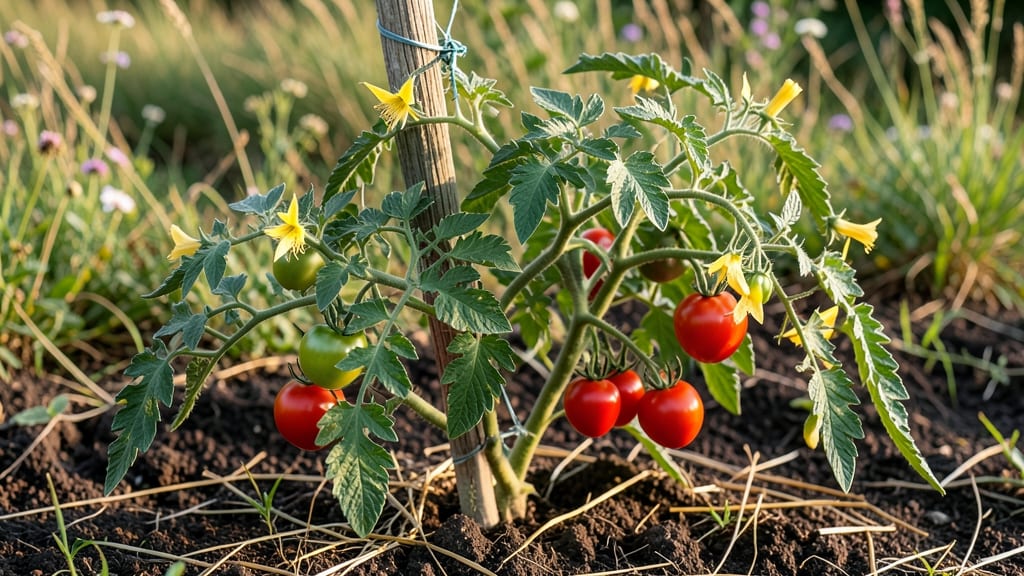
Tomato plants grow anywhere from 1 foot to 6 feet tall, depending on the variety you choose—so if you're planning your garden layout, this is the first question to answer.
Imagine this: You've spent weeks nurturing your seedlings, only to realize your towering indeterminate variety needs a 10-foot trellis—or worse, your compact cherry tomatoes are sprawling like vines instead of staying neat. Knowing the height range upfront saves space, stress, and a lot of last-minute scrambling for supports.
Determinate tomatoes—like the classic Roma or Celebrity—top out around 3 to 5 feet, making them perfect for cages or small gardens.
Indeterminate varieties, such as Sungold or Brandywine, can climb to 6 feet or more if left unchecked, turning your backyard into a vertical jungle if you're not prepared.
In this guide, I’ll break down the height ranges by variety, share pro tips for controlling growth naturally, and help you avoid the top mistakes that turn your tomato plants into unruly giants—or stunted shrubs. Let’s get growing!

Tomato plant height by variety: dwarf vs. determinate vs. indeterminate
Choosing the right tomato variety is like picking the perfect garden partner—some stay compact and tidy, while others reach sky-high with endless vines.
The height of your tomato plants isn't random; it's determined by their growth habit, which falls into three main categories: dwarf, determinate, and indeterminate. Knowing these differences helps you plan your garden layout, select the right support structures, and avoid overcrowding or wasted space.
If you're working with limited space—like a balcony or small yard—dwarf varieties are your best bet, staying under 3 feet tall. But if you dream of lush, vine-covered trellises reaching 10 feet or more, indeterminate varieties will steal the show.
The key is matching your garden space and harvest goals to the right growth type.
Here’s how the three growth habits compare in terms of height, support needs, and harvest patterns, so you can make an informed choice before planting:
Dwarf tomatoes are the low-maintenance superstars of small gardens. Varieties like Tiny Tim or Patio Princess top out at just 1–3 feet, making them perfect for containers or window boxes. They produce a single harvest all at once, so plan to use or preserve the bounty quickly. These are ideal if you’re short on space or want to grow tomatoes on a balcony or patio.
Determinate tomatoes strike a balance, growing 3–5 feet tall with a bushy shape. Think of them as the "set it and forget it" option—they’ll produce fruit all at once, making them great for canning or sauces. Popular varieties like Roma or Celebrity thrive with minimal support, like a sturdy stake or small cage. They’re a favorite for gardeners who want reliability without the vertical commitment.
For those who love a challenge—and a never-ending harvest—indeterminate tomatoes are the ultimate showstoppers. These vines can climb 6–10 feet or more, producing fruit continuously until frost.
Varieties like Sungold or Brandywine need trellises or strong stakes to support their weight. They’re perfect for vertical gardening and fresh eating all season long.
One common mistake is assuming all tomatoes need the same support. Dwarf varieties can flop over without a small cage, while indeterminate types will break under their own weight without proper trellising. Always match your support structure to the plant’s growth habit to avoid damage and maximize yield.
Pro tip: If you’re short on space but love the idea of tall vines, consider pruning indeterminate varieties to control height. Pinch off suckers (the small shoots in the leaf axils) to redirect energy into fewer, stronger stems.
This won’t stop the plant from growing tall, but it can make it more manageable and improve airflow to reduce disease.
Now that you know the height ranges, think about your garden layout. Place dwarf varieties near walkways or in containers, determinate types in rows with stakes, and save your trellises for the indeterminate stars.
With the right variety and support, you’ll have a tomato harvest that’s as tall—or as short—as you dream!
How to control tomato plant height naturally for small spaces
Even indeterminate tomato varieties that can reach 10 feet or more can be managed in small spaces with the right techniques. The key is balancing pruning, support systems, and seasonal care to keep your plants productive without overwhelming your garden.
For me, the difference between a sprawling mess and a neat, high-yielding plant comes down to timing and method.
Start by choosing dwarf or semi-dwarf varieties if space is extremely limited—these stay under 4 feet even without pruning. But if you're growing taller varieties, pruning and trellising are your best tools.
I’ve found that topping indeterminate plants (pinching the main stem) can reduce height by 30-50% while boosting fruit production in lower branches.
Step-by-Step Guide to Controlling Tomato Height
- Step 1: Install Supports Early
Set up trellises, stakes, or cages at planting time. Use 5-foot stakes for indeterminate varieties or 3-foot cages for determinate types. This prevents sprawling and makes pruning easier later.
- Step 2: Prune Strategically
For indeterminate tomatoes, remove suckers (side shoots) when they’re 2-3 inches long. For determinate types, prune only to remove diseased or crowded leaves. I prune every 2 weeks during peak growth to keep plants manageable.
- Step 3: Top the Main Stem
When your plant reaches your desired height (e.g., 5 feet for a balcony), pinch off the top growth. This redirects energy to lower branches and fruit production. Repeat as needed to maintain height.
- Step 4: Use Dwarfing Techniques
Reduce water slightly (10-15%) during vegetative growth to slow stretching. Also, avoid over-fertilizing with nitrogen—this promotes leafy growth over height. A balanced 10-10-10 fertilizer works best for compact growth.
- Step 5: Adjust Seasonal Care
In early summer, reduce watering to every 3-4 days to slow rapid growth. In late summer, increase water slightly to support fruiting. Always water at the base of the plant to avoid wetting leaves and encouraging disease.
Another trick I’ve used is planting in containers with limited depth. Root-bound plants grow slower and stay shorter. Choose pots that are at least 12 inches deep and use a well-draining potting mix to prevent overgrowth. For ground plants, mulching heavily (3-4 inches) keeps roots cool and reduces upward growth.
Finally, harvest regularly to encourage more fruit production. Overripe tomatoes signal the plant to focus on seed production, which can cause uncontrolled height spikes. I pick every 2-3 days during peak season to keep my plants in check.
With these methods, even 6-foot indeterminate varieties can thrive in a 4-foot space!
Remember, the goal isn’t just to control height but to maximize yield. By combining pruning, support, and seasonal adjustments, you’ll get bushier plants with more fruit—without sacrificing your garden’s layout. Happy growing! 🌱